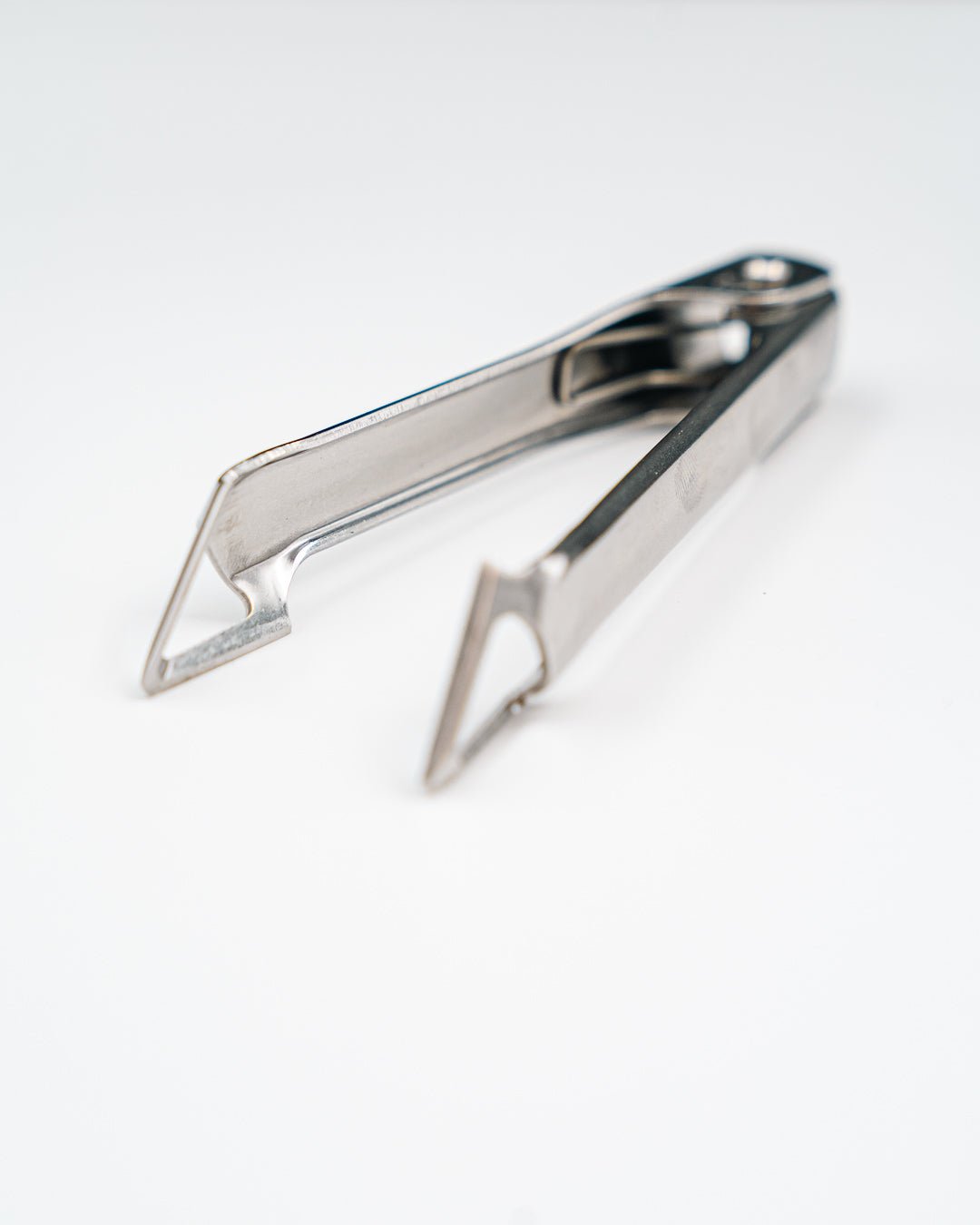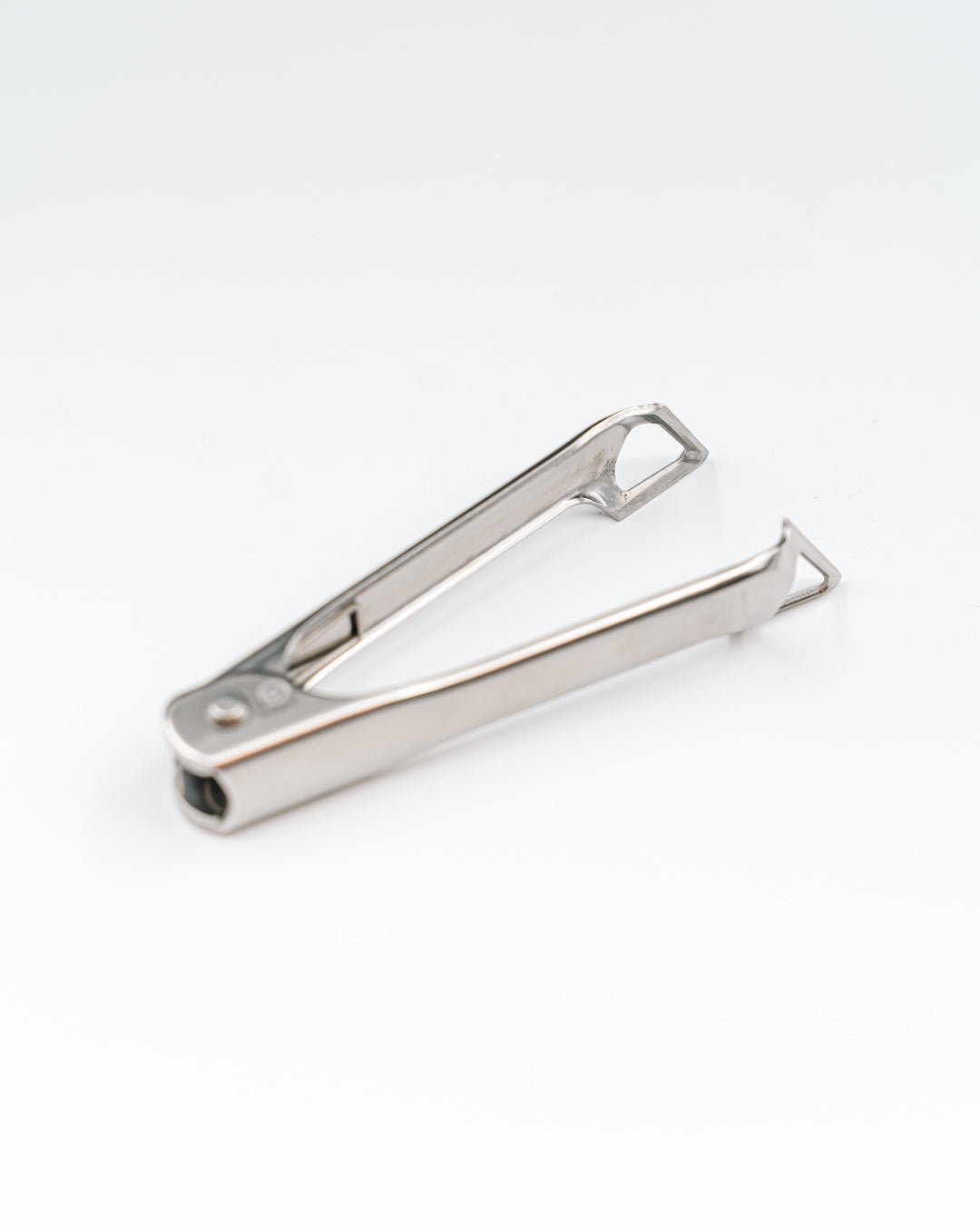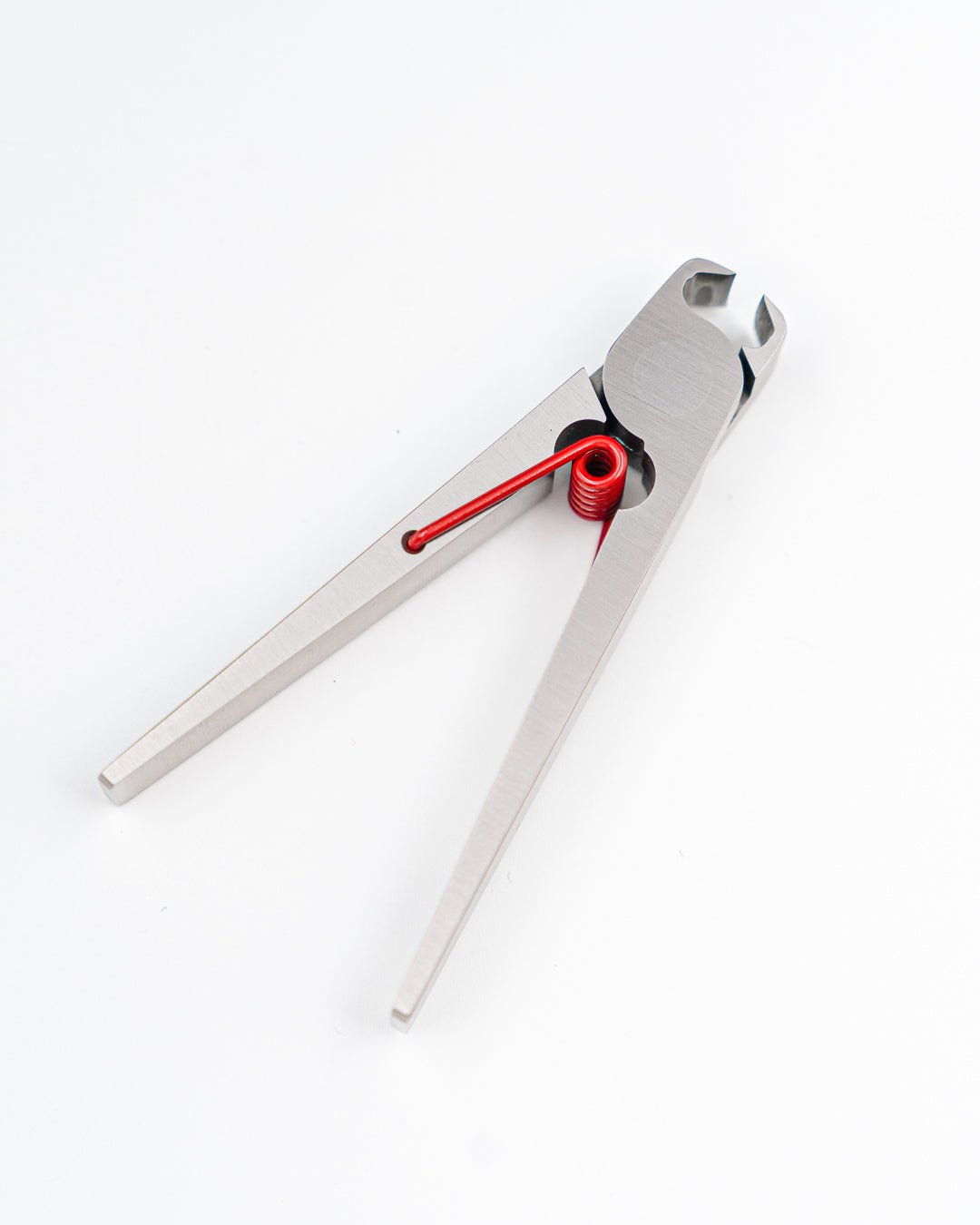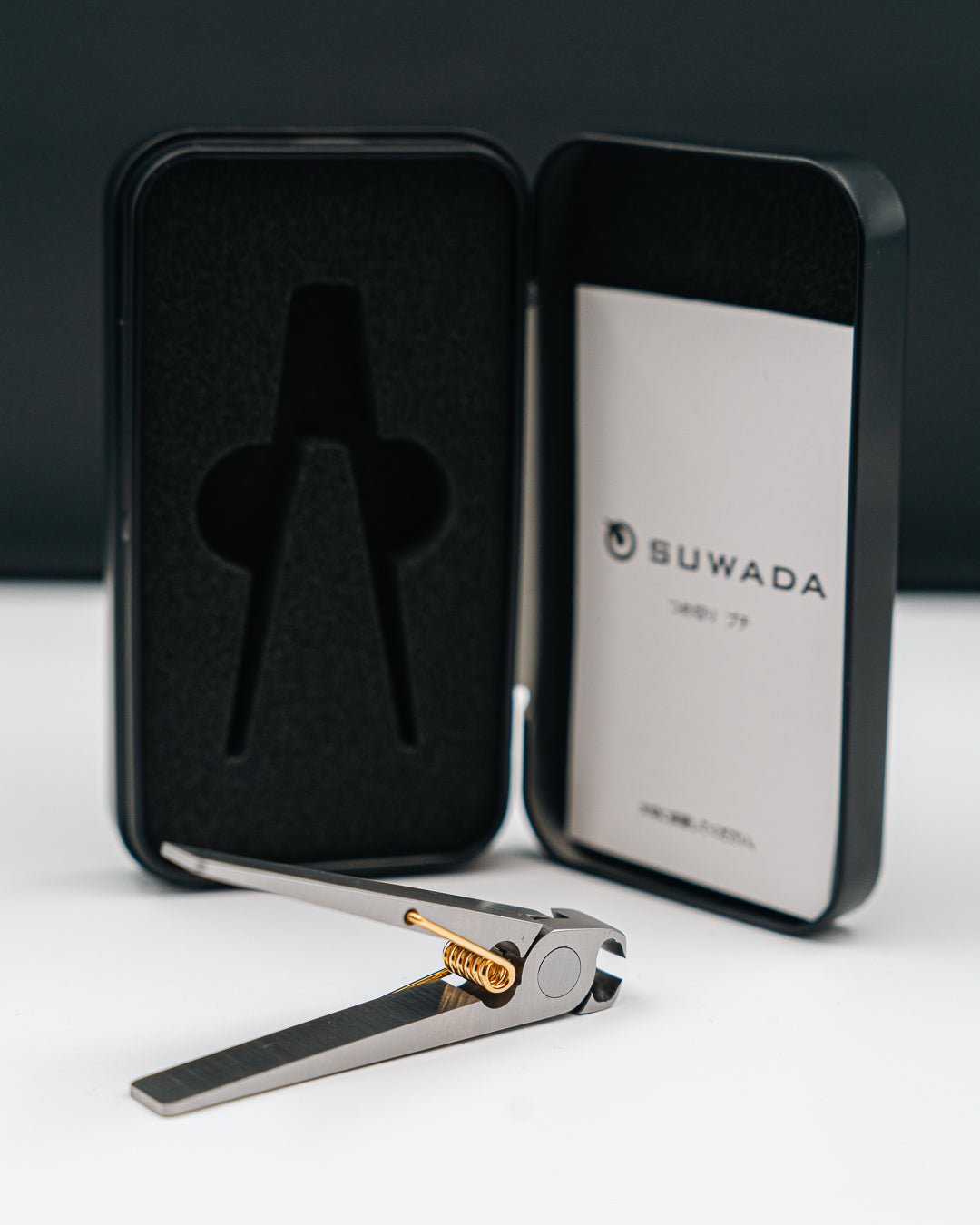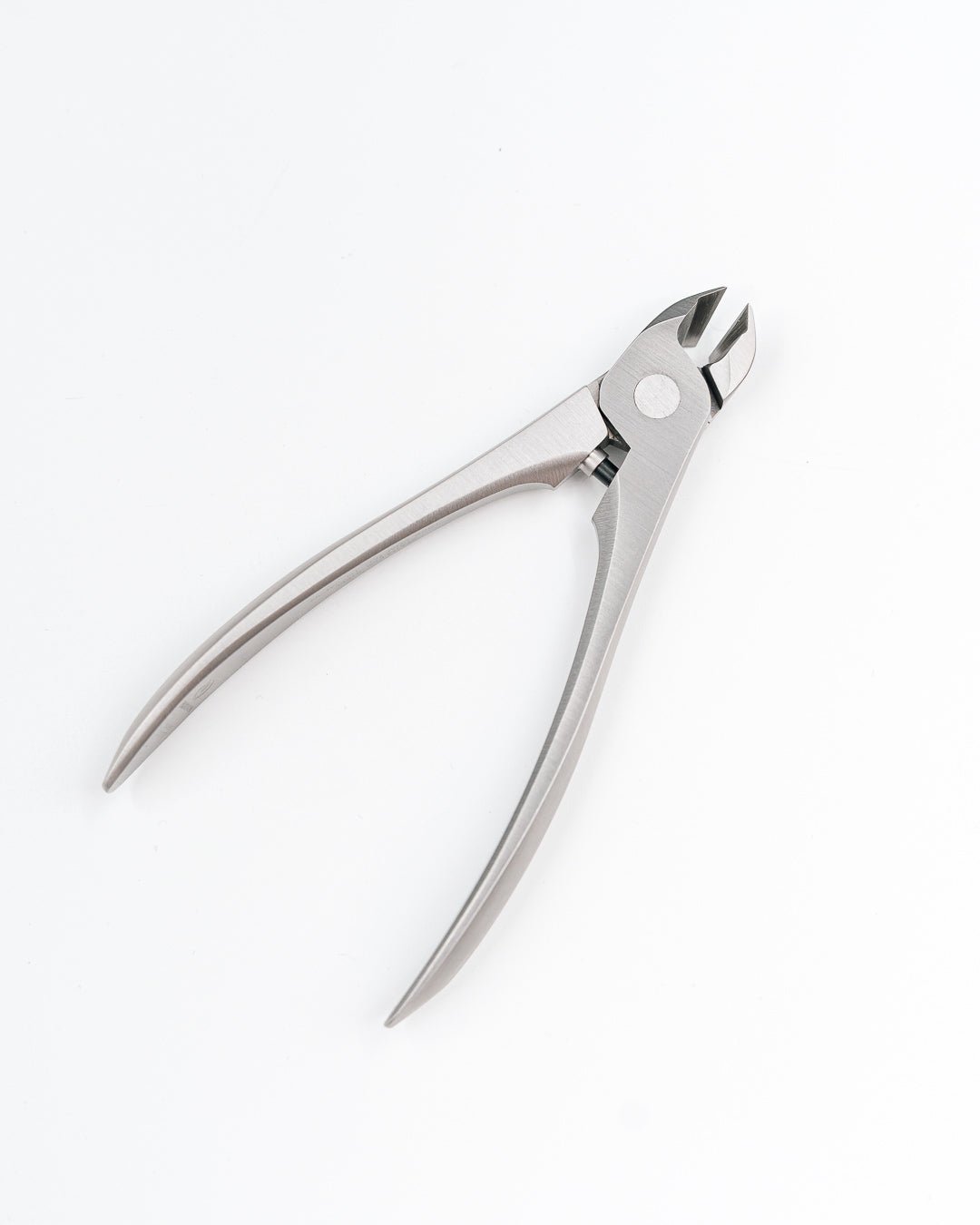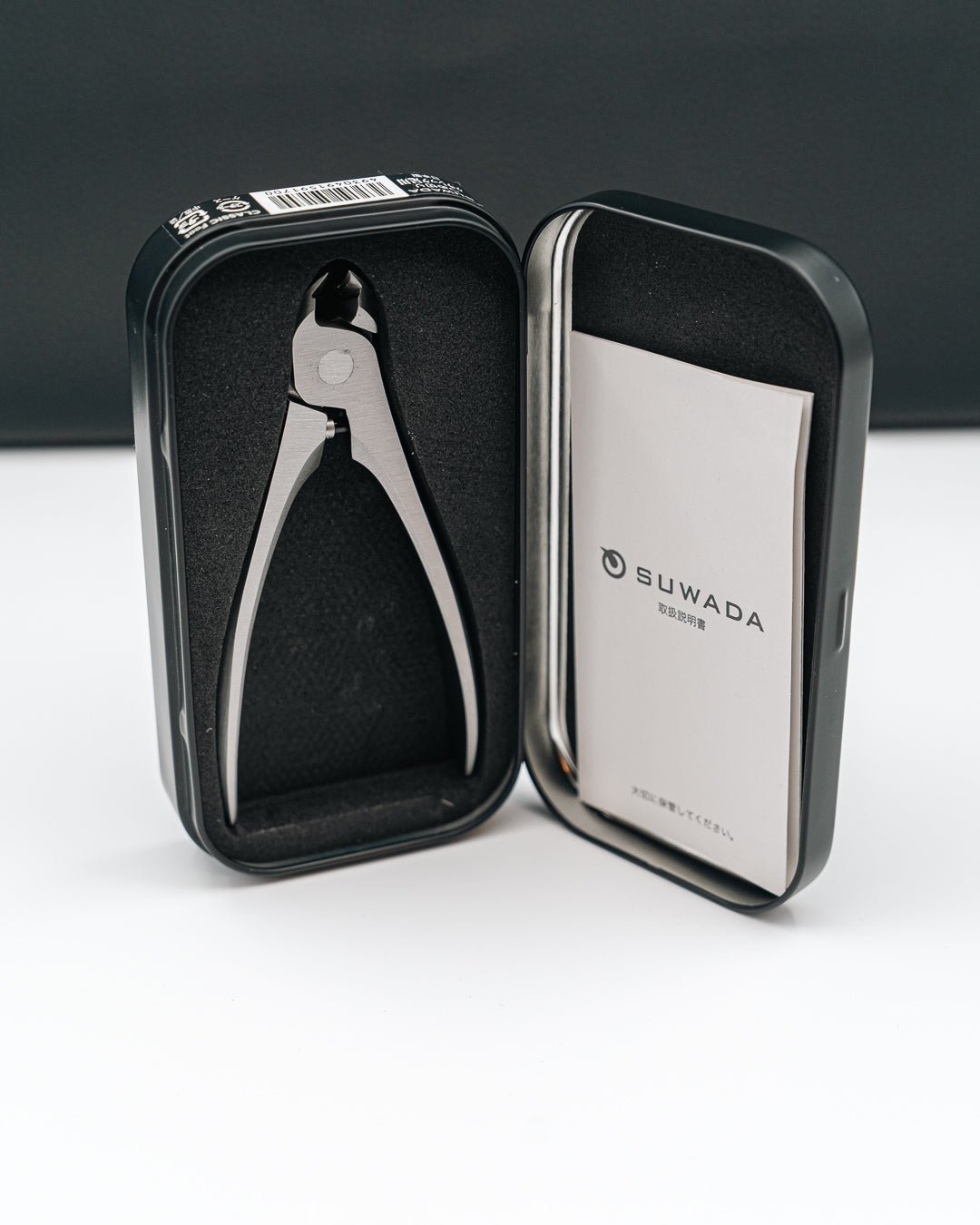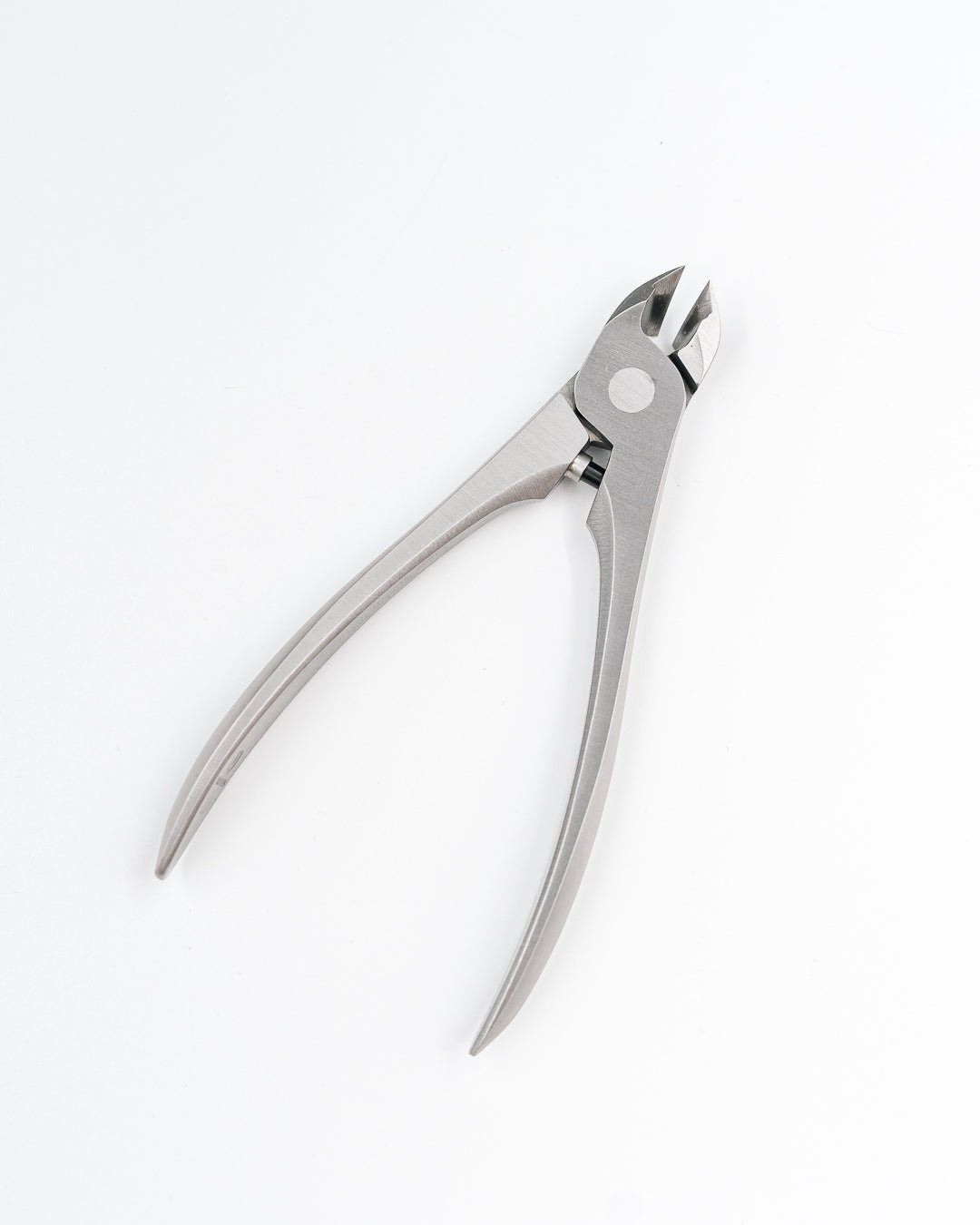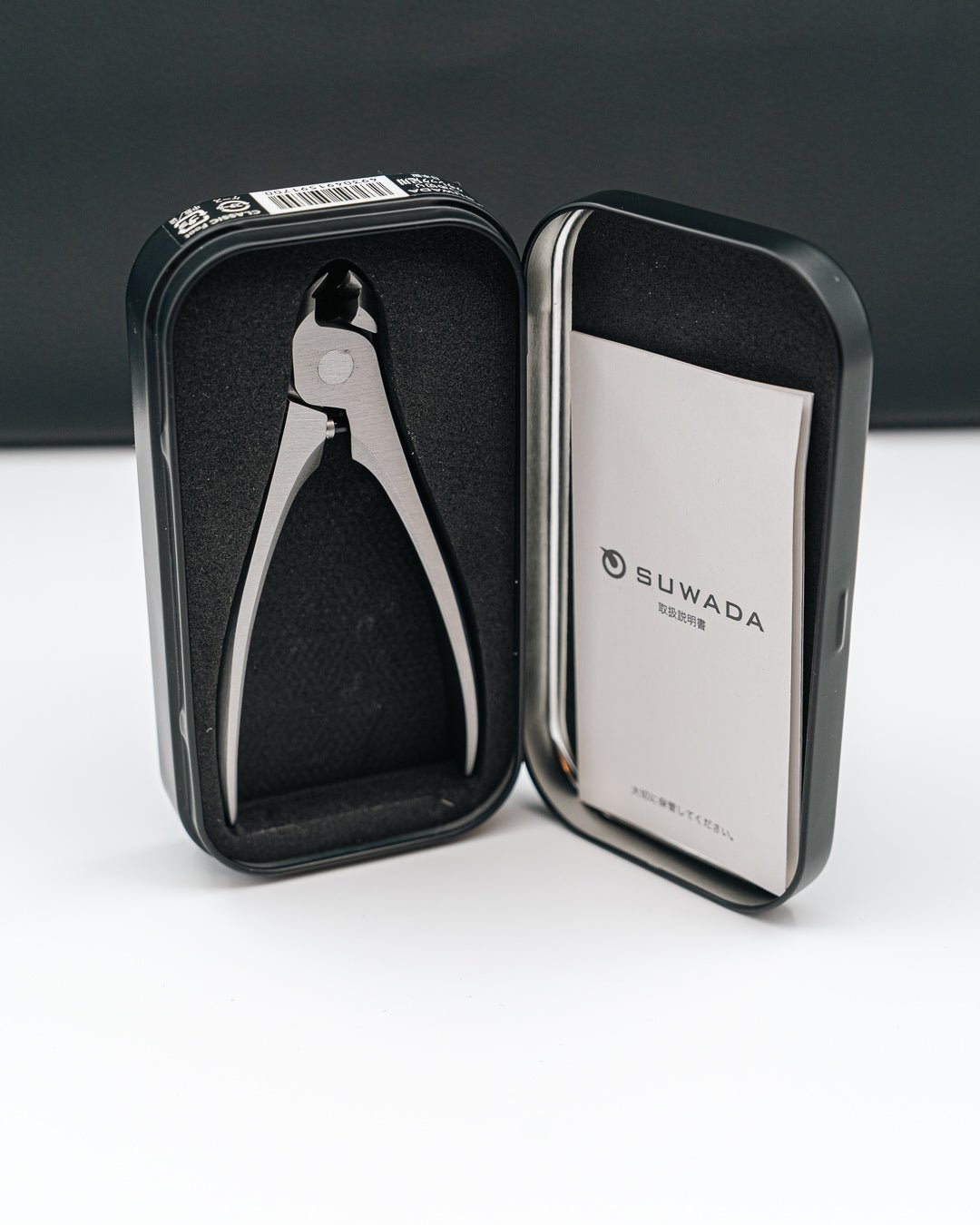

Sanjo, Niigata. Since 1926
Suwada. How a nail clipper is made.
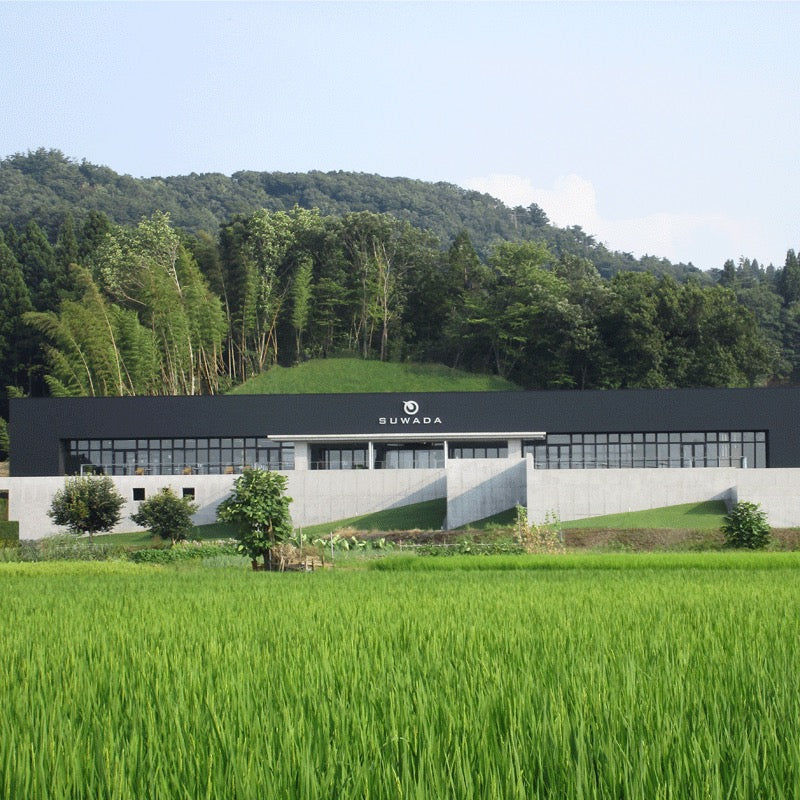
All the work is done in their own factory.
Sanjo, 1926
From end cutters to nail clippers
Shukusaburo Kobayashi started in 1926 with end cutters for carpenters. The first nail clipper came in 1950.
Today Suwada makes more than 20 models of nail clipper, all with two blades that meet and cut. Since 2011 Suwada has had an open factory, Tuesday to Saturday.
As Suwada describes it
From steel bar to nail clipper
Suwada describes the work as a relay, where the clipper passes from hand to hand.

The steel and the forging
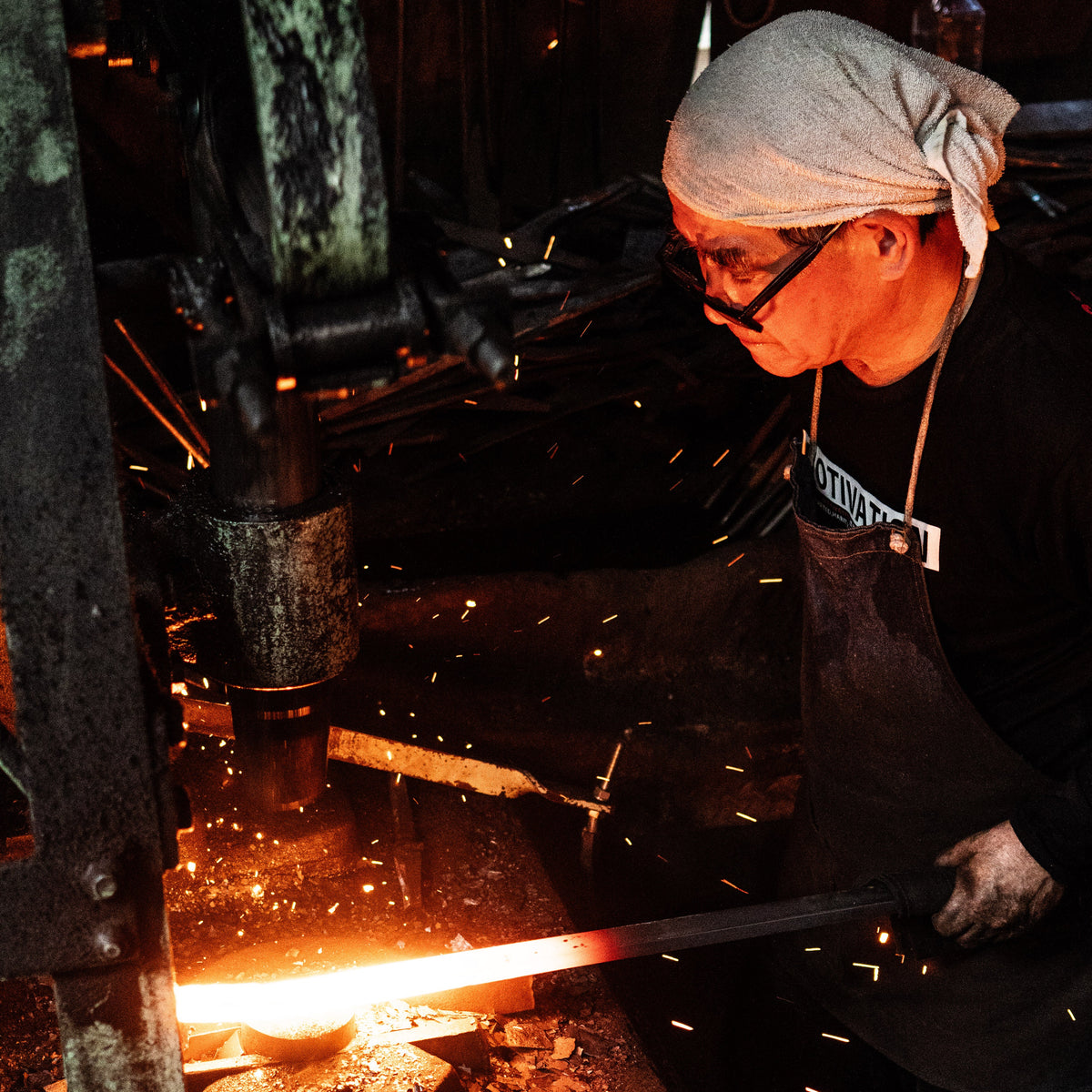
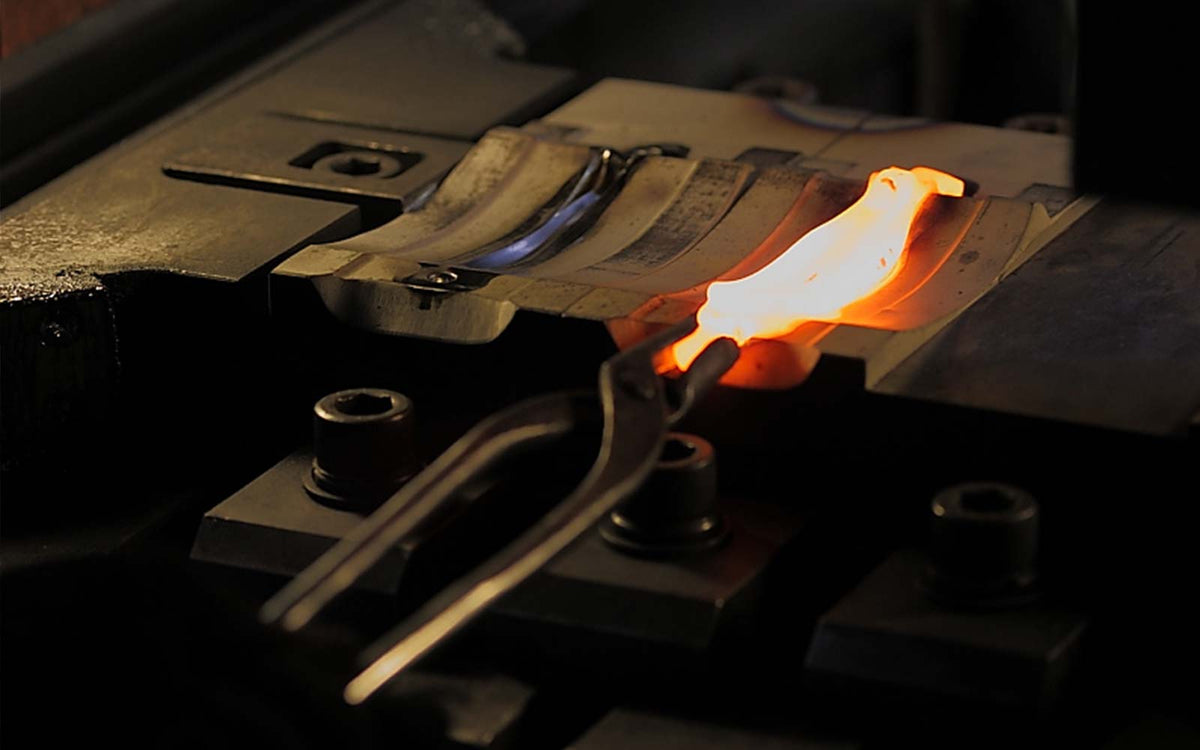
Round bars of high-carbon stainless steel are heated to over 1,000 degrees and forged with 400 tonnes of pressure. The steel is melted in Japan.

Punching and shaping
The blank is cut out, and only around 30 per cent of the steel becomes a clipper. The craftspeople do the rest by hand and rivet the two halves together.

Grinding and polishing
The clipper is ground with sandpaper in many grits, from coarse to fine.

Fitting
The blades are adjusted in steps of a thousandth of a millimetre, until they meet without a gap.

Finished
The thin blades get a slight curve to follow the nail. Then the clipper goes through final inspection.


Photo: Suwada
Sharpening and a new spring
When the clipper gets dull
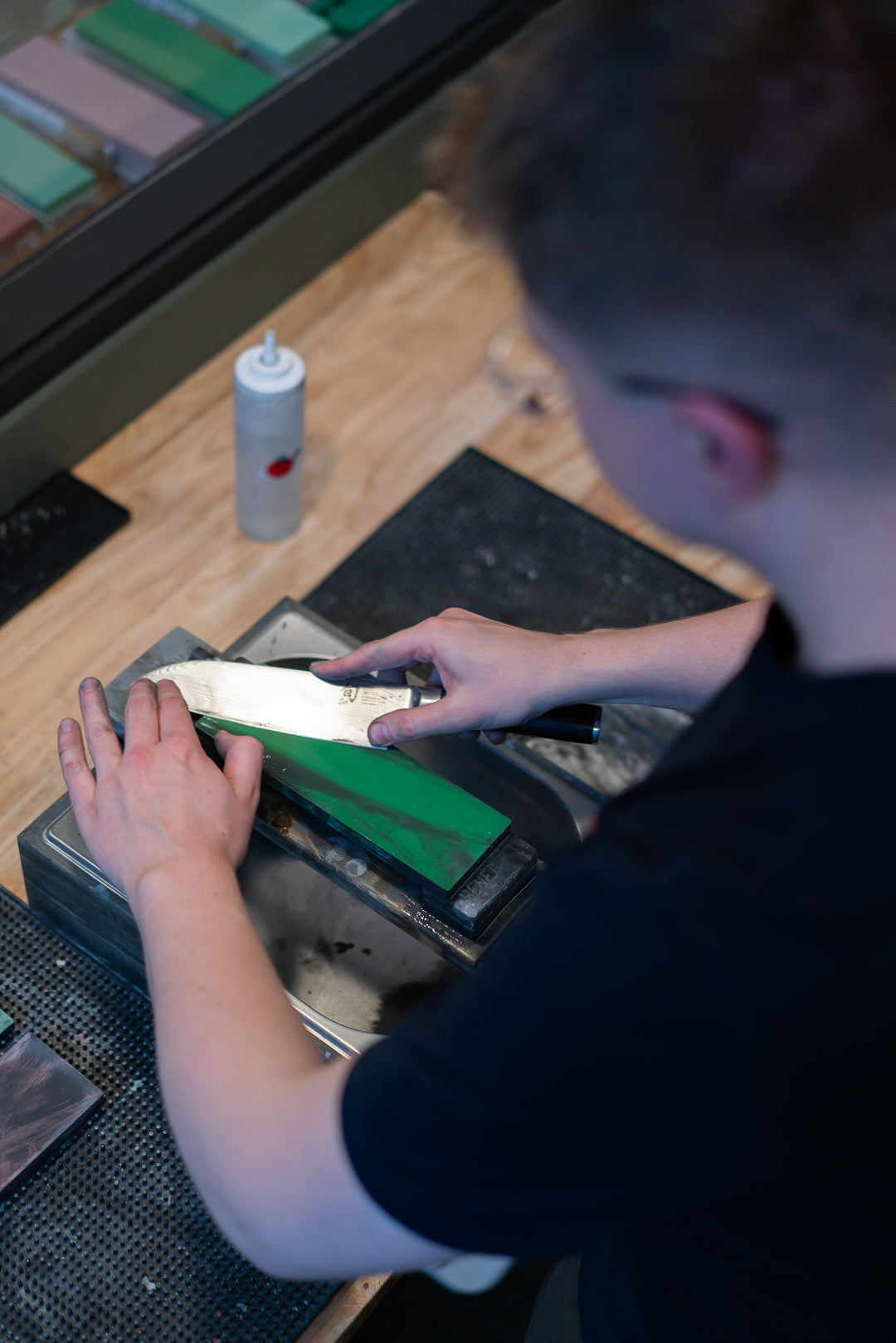
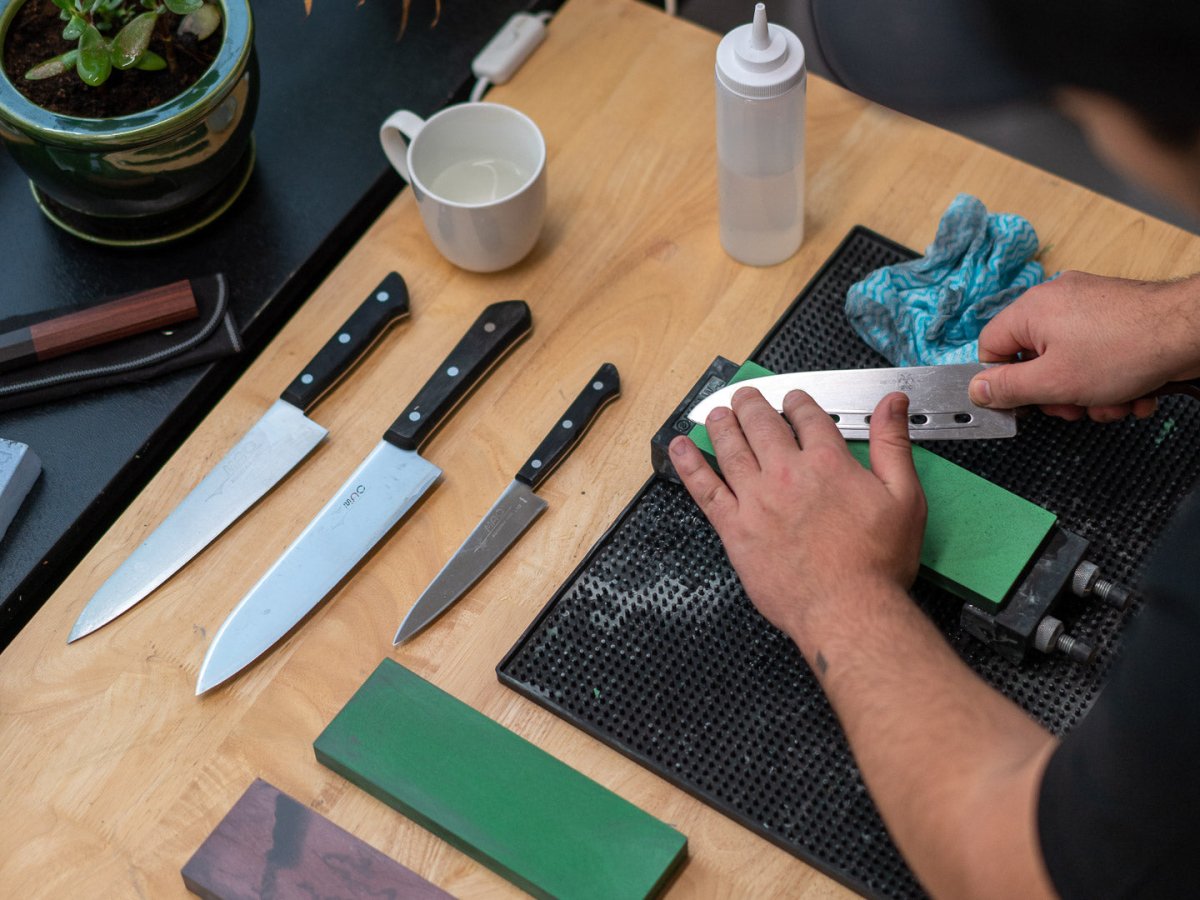
Suwada has its own service for sharpening and a new spring, but only for customers in Japan.
Suwada, Sanjo
From Suwada in the shop