


Shape, length, steel, handle
Choose the knife for the job.
Decide on the shape first. If you can, hold the knife before you buy: weight and balance can only be felt in the hand.
Japanese and Western
One shape per job
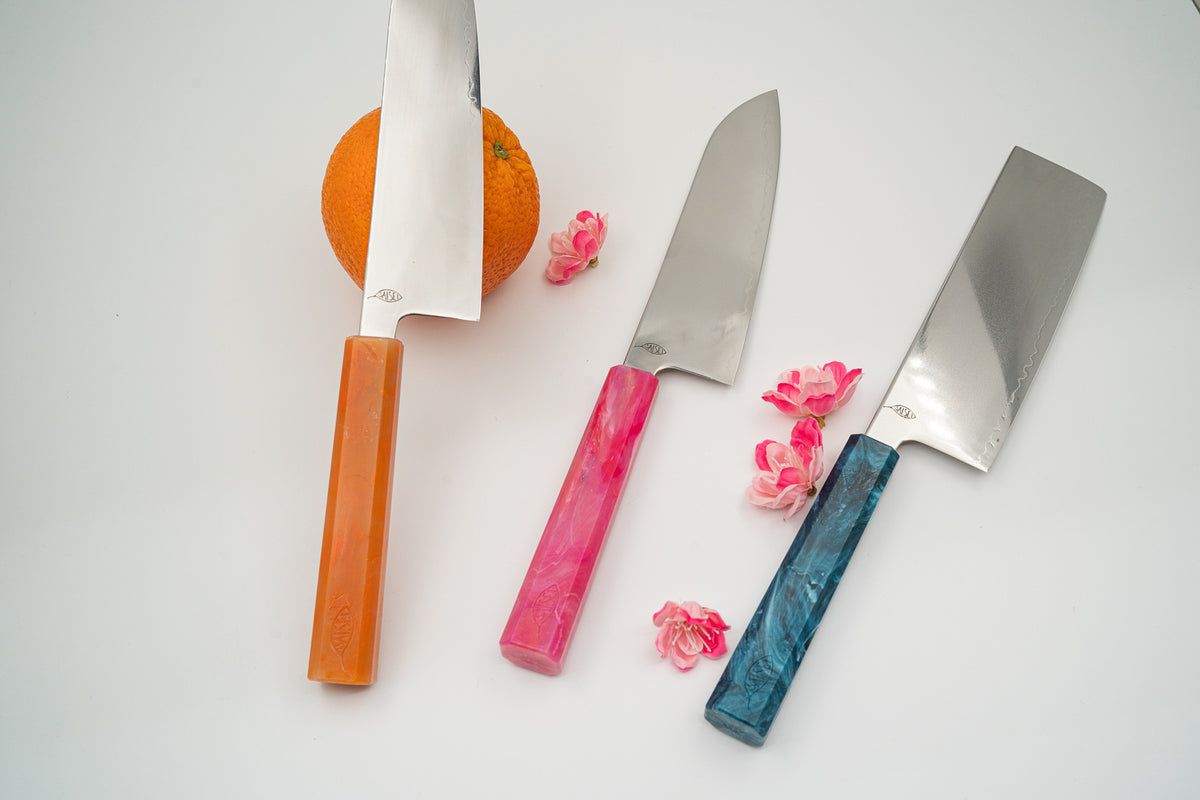
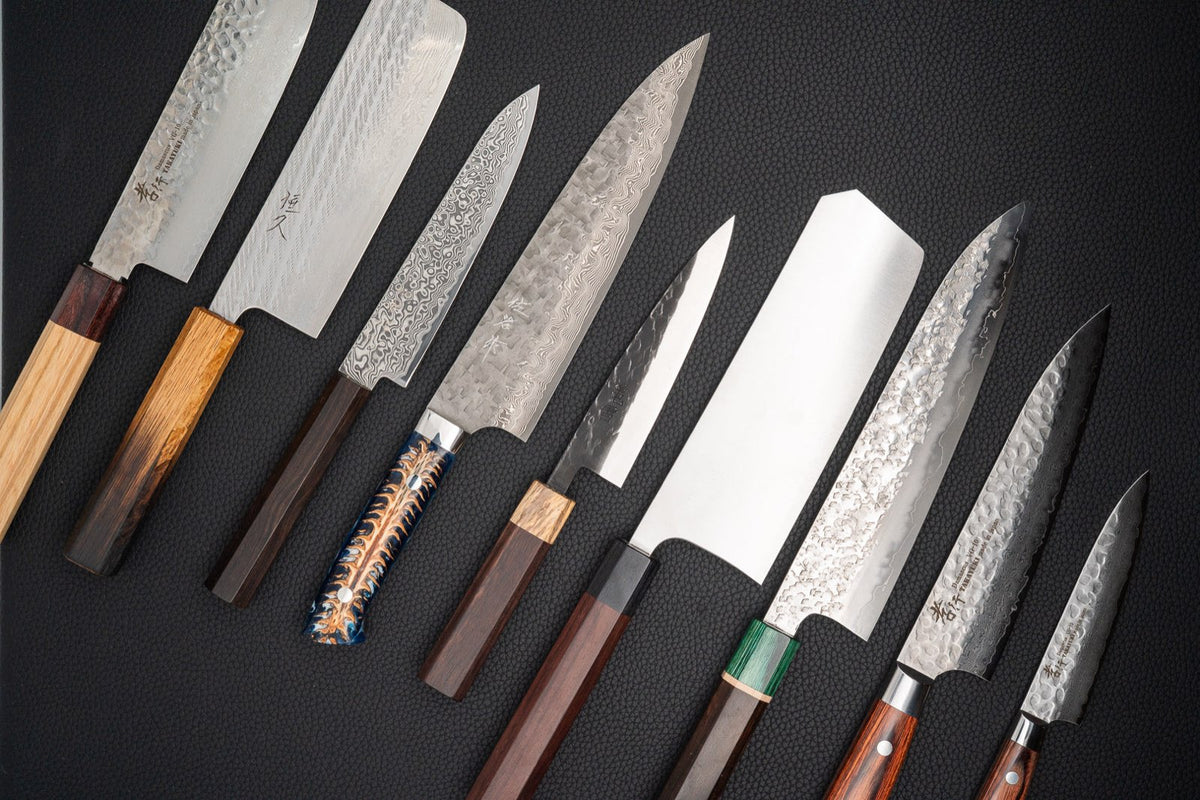
A Western knife set is often three sizes of the same shape. Japanese knives have one shape per job: the gyuto (chef’s knife), the nakiri (vegetable knife), the petty (utility knife) and the yanagiba (slicer). Most people still manage for a long time with one gyuto and one petty.
You notice the thin blade on a ripe tomato, on finely chopped onion and when you skin a fish fillet.
Four choices
In this order
The shape
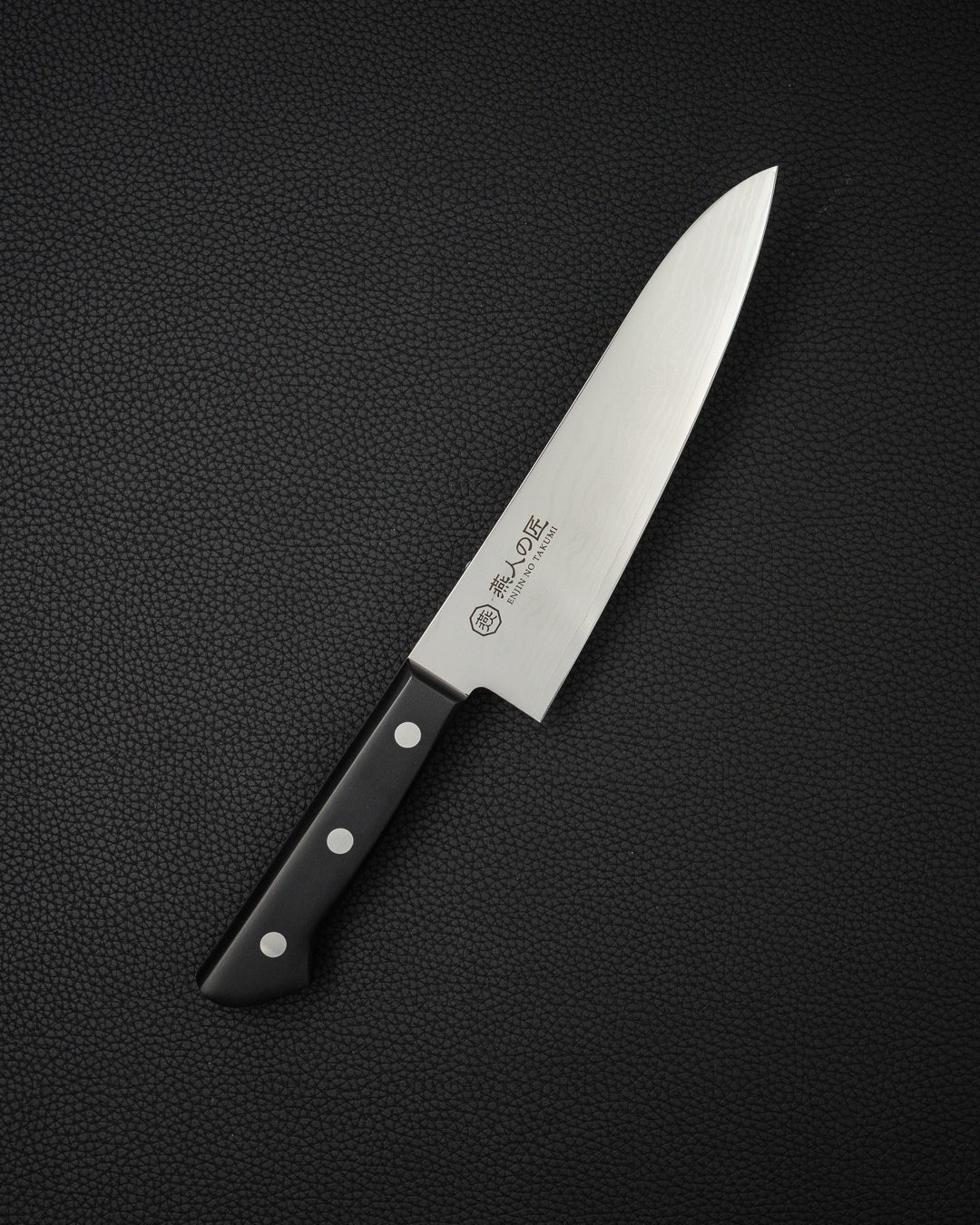
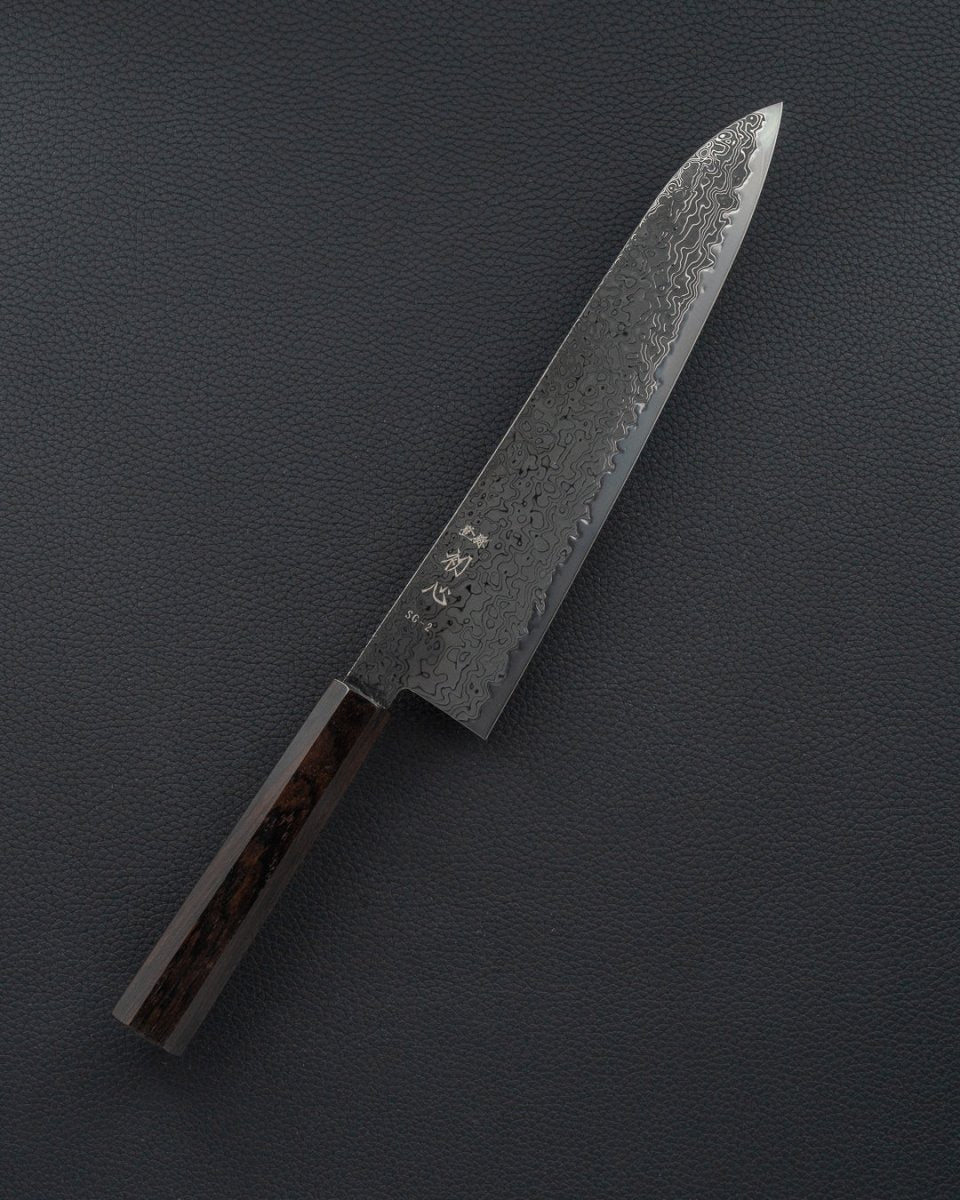
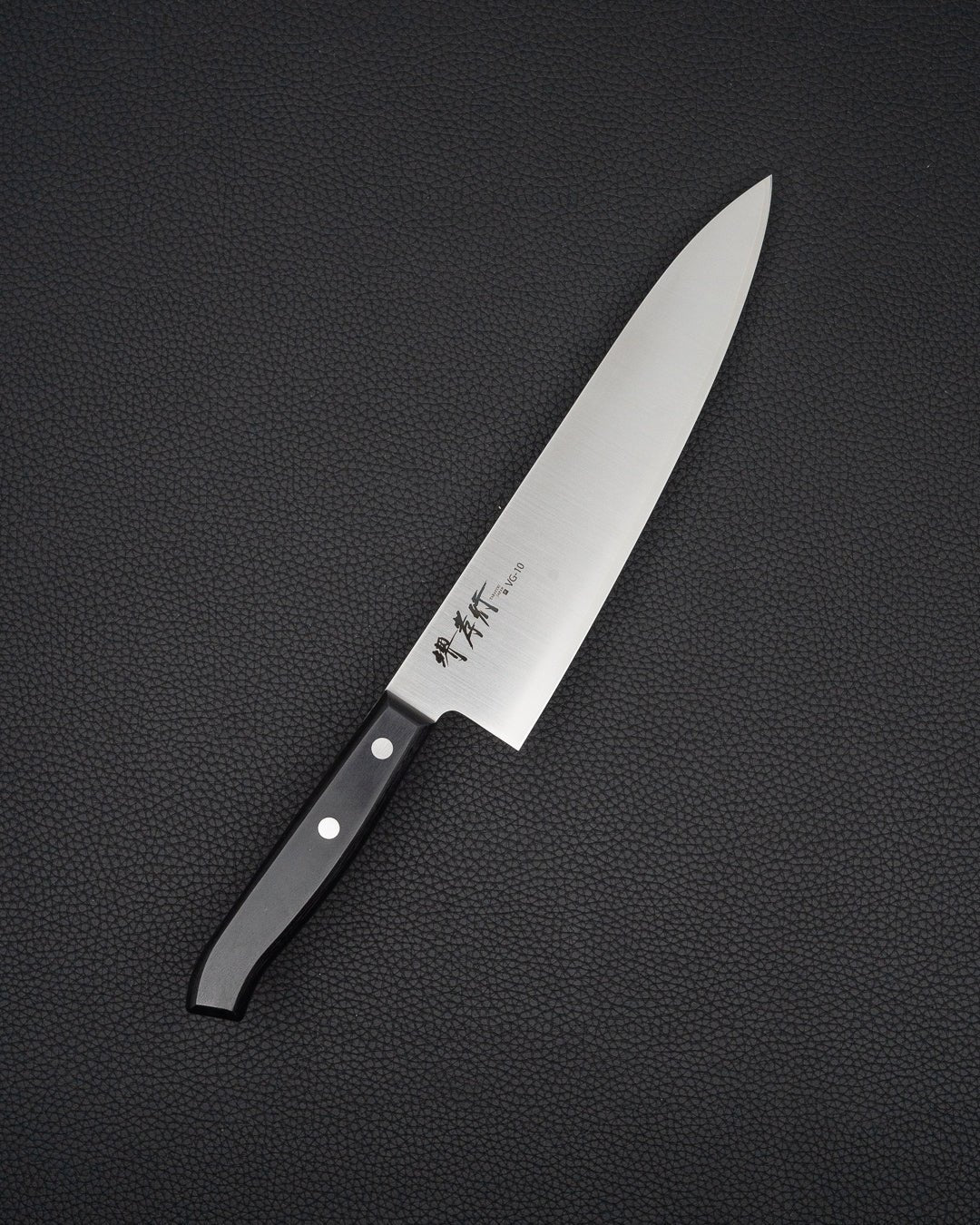
The first knife should be a chef’s knife, gyuto or santoku. A gyuto handles most things in the kitchen. A santoku is shorter and easier to handle with small hands.
The length
210 to 240 mm is common for a gyuto at home, and chefs often go longer. A knife that is too short struggles with large onions and cabbage. You can make a knife smaller with your grip, but not bigger.
The steel
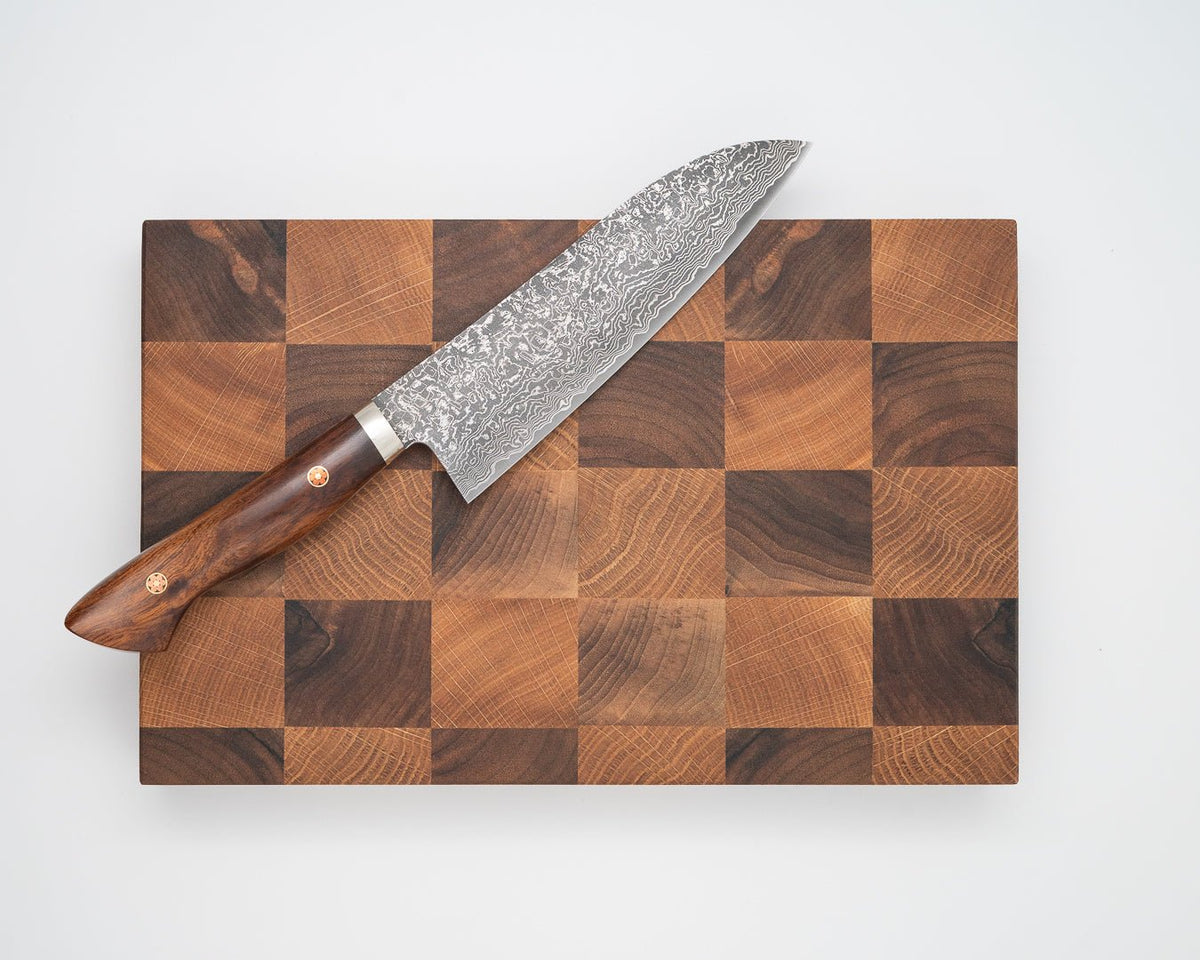
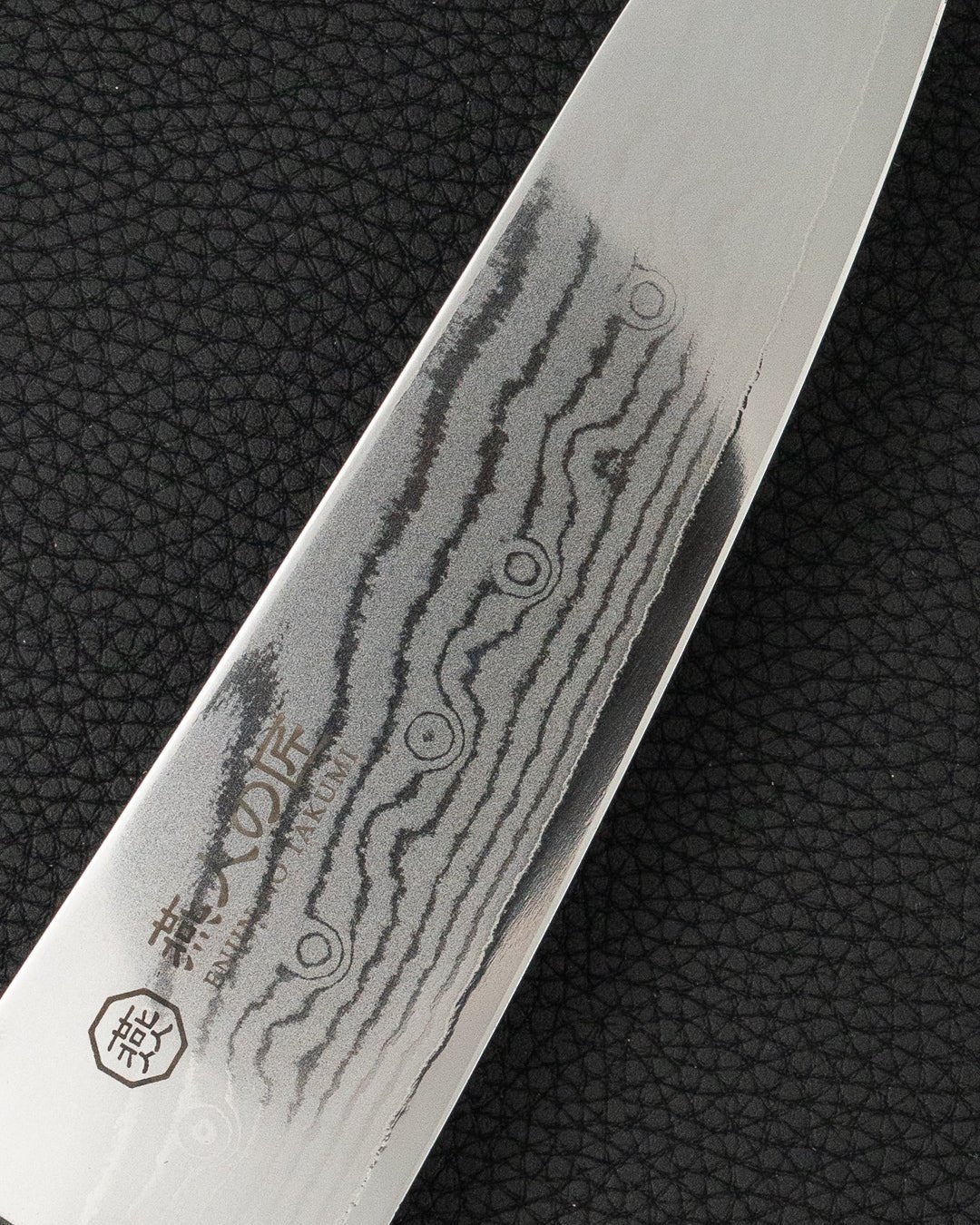
Carbon steel is easier to sharpen, but must be dried after use and develops a patina. Stainless can be left lying, and is what we recommend for a first knife. A carbon core in stainless cladding sits in between.
The handle
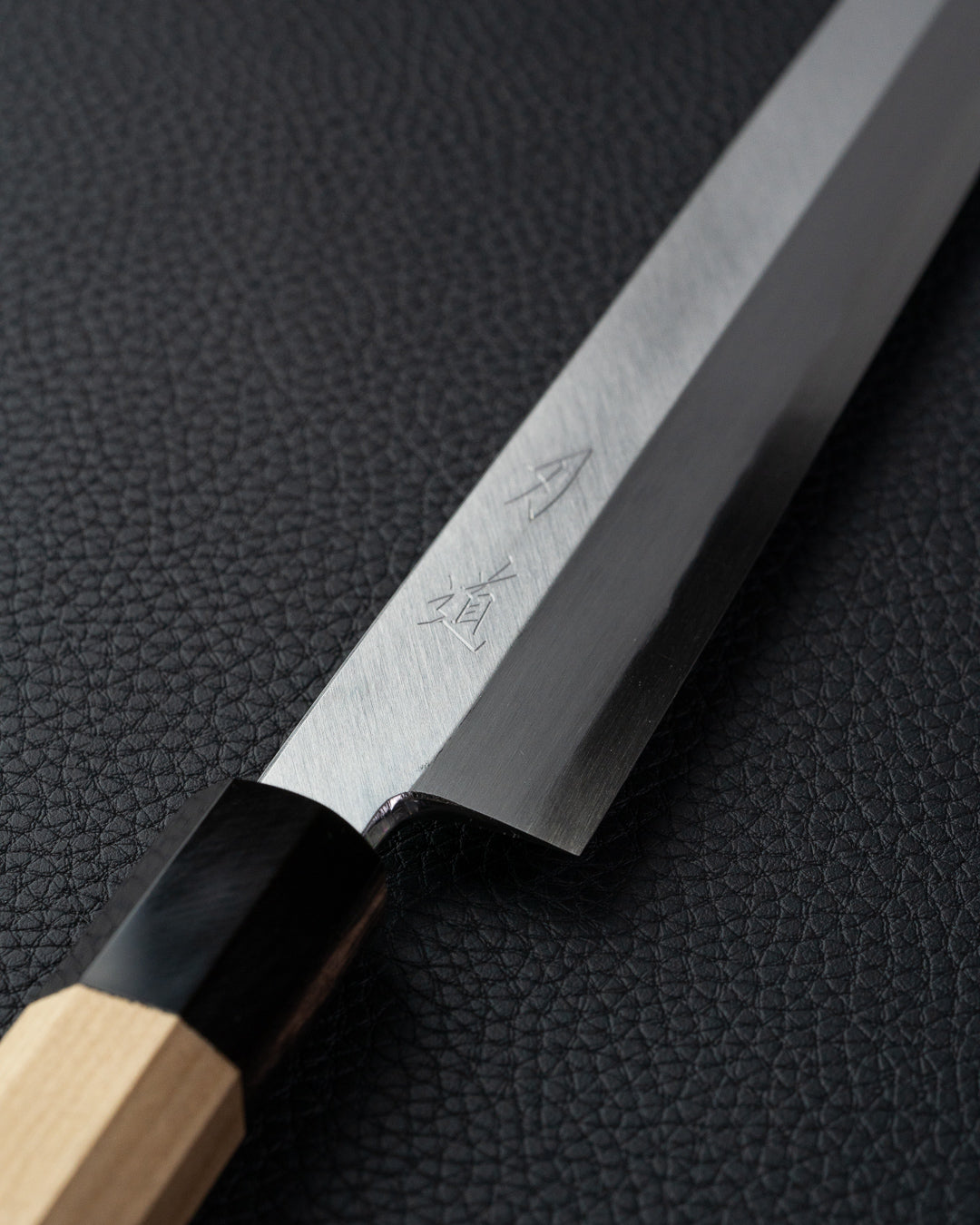
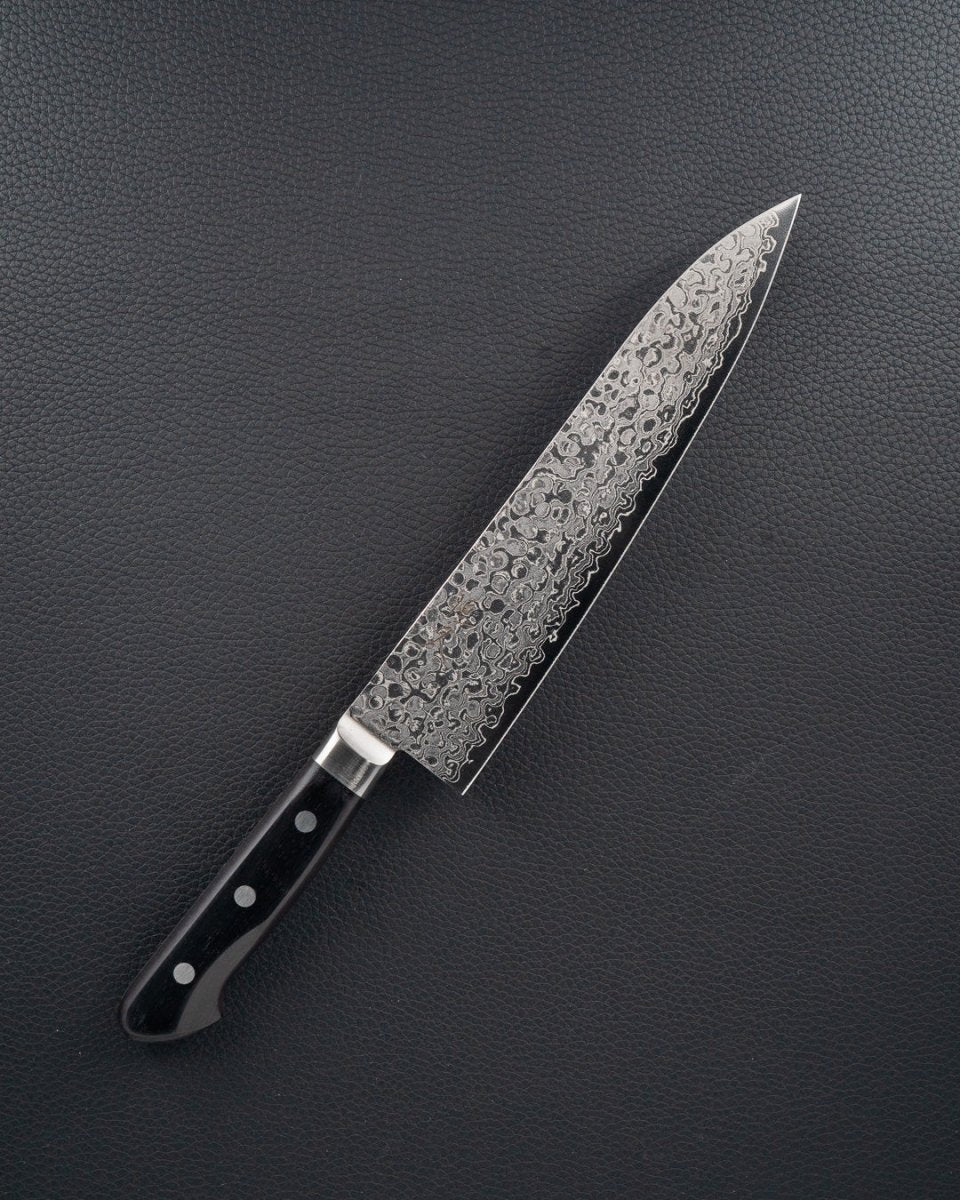
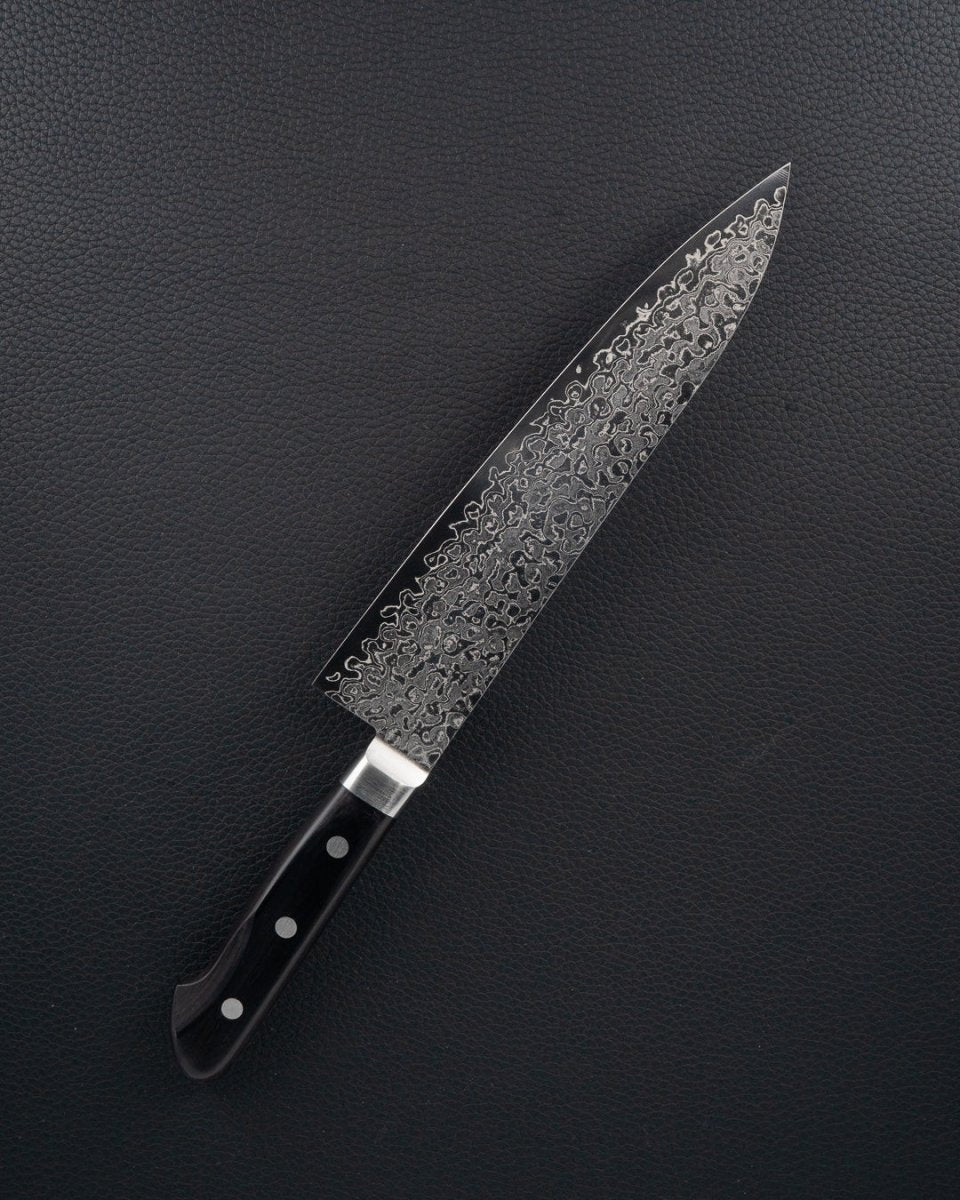
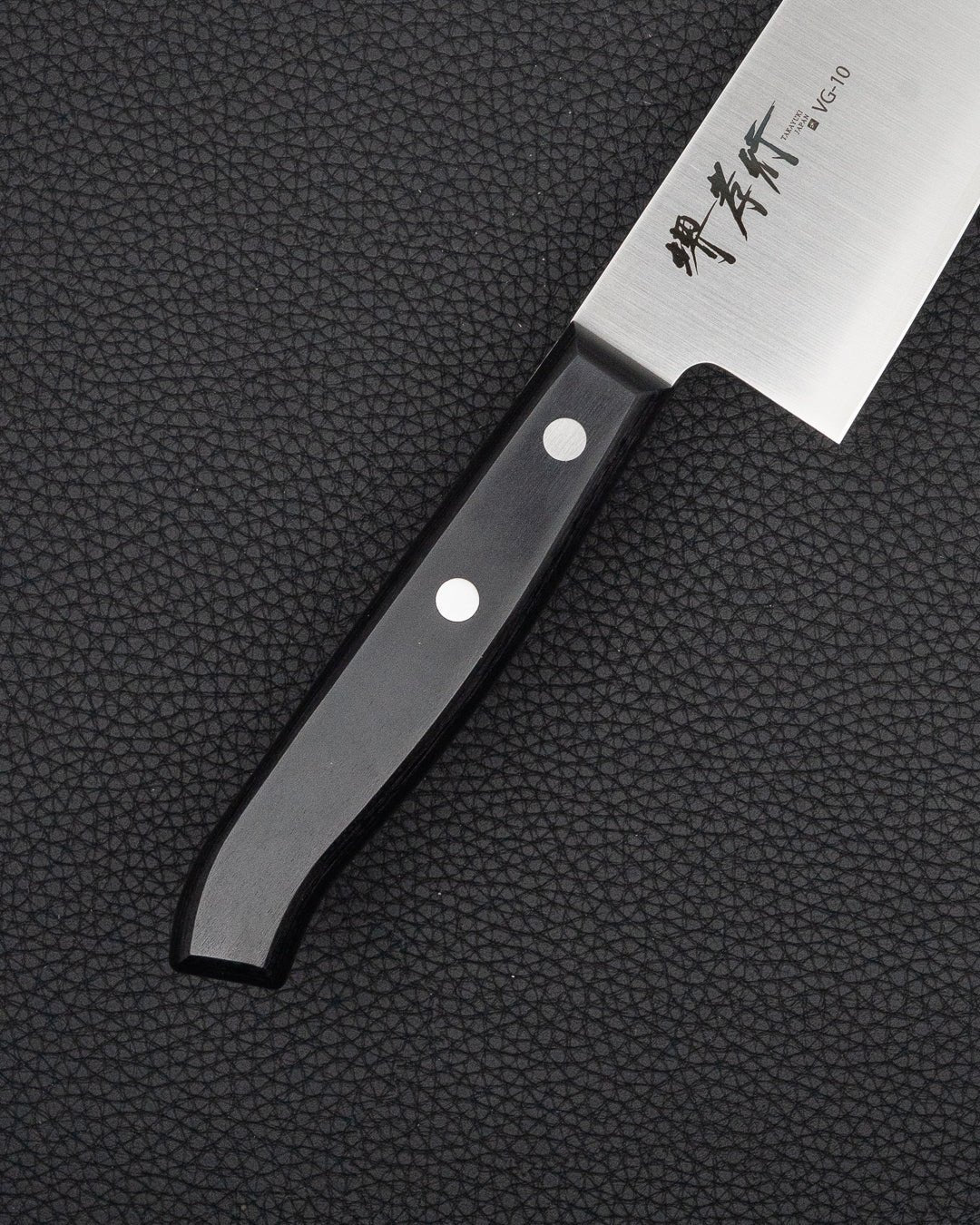
The wa handle is Japanese and light, and puts the weight forward towards the blade. It is easy to replace. If it is octagonal, it suits both hands. A Western handle is heavier and keeps the weight closer to the hand.
First knife
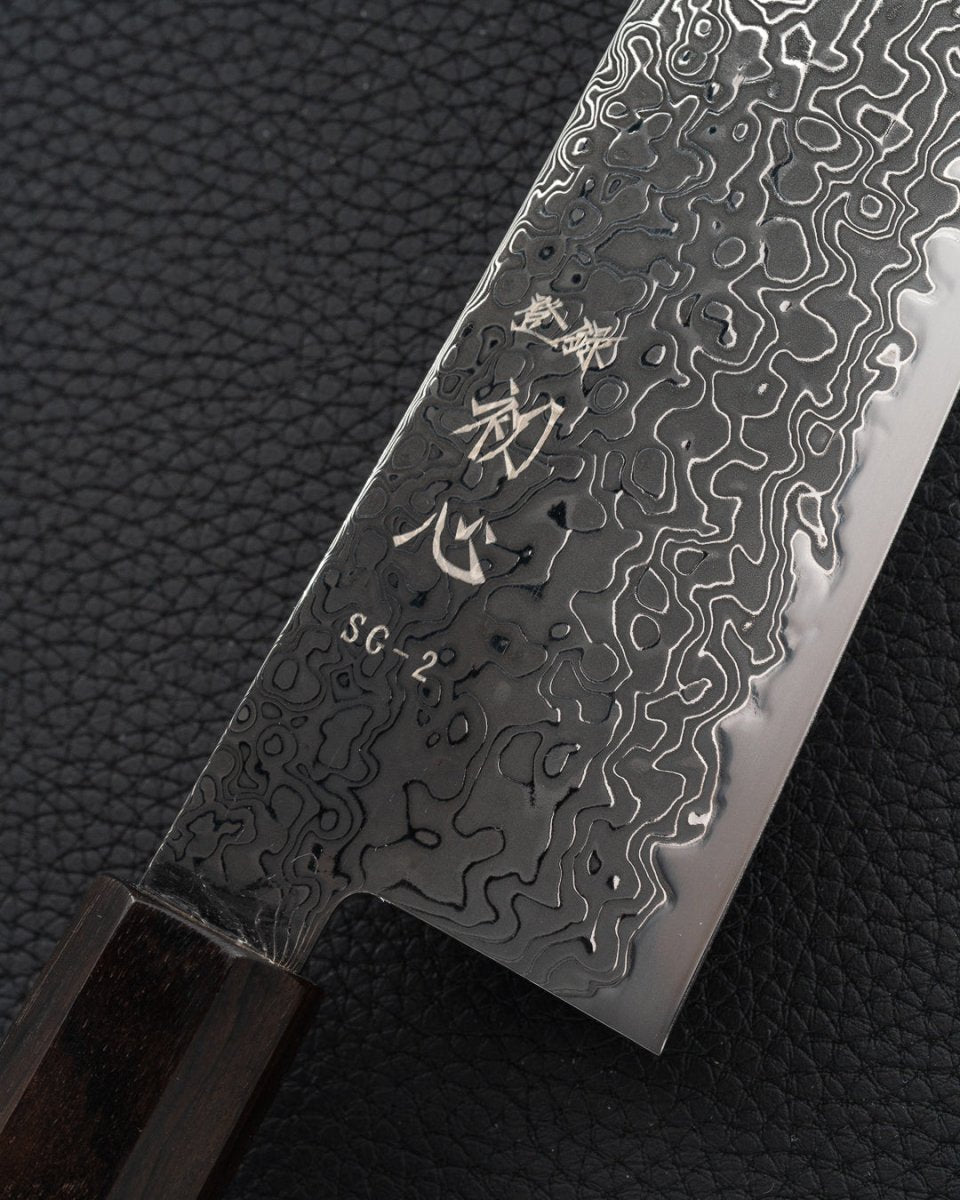
Gyuto (chef’s knives) in stock
After the first
How to build from there
Next
A petty for the small jobs: fruit, garlic and herbs. Choose one that is clearly smaller than your main knife.
See pettyAfter that
A nakiri for the vegetables, a bread knife, a boning knife and a sujihiki (slicer) for the roast.
See all the knife typesWe have written more about gyuto, santoku, nakiri and petty, and about your first Japanese knife.