


What type of sharpening stone should you choose?
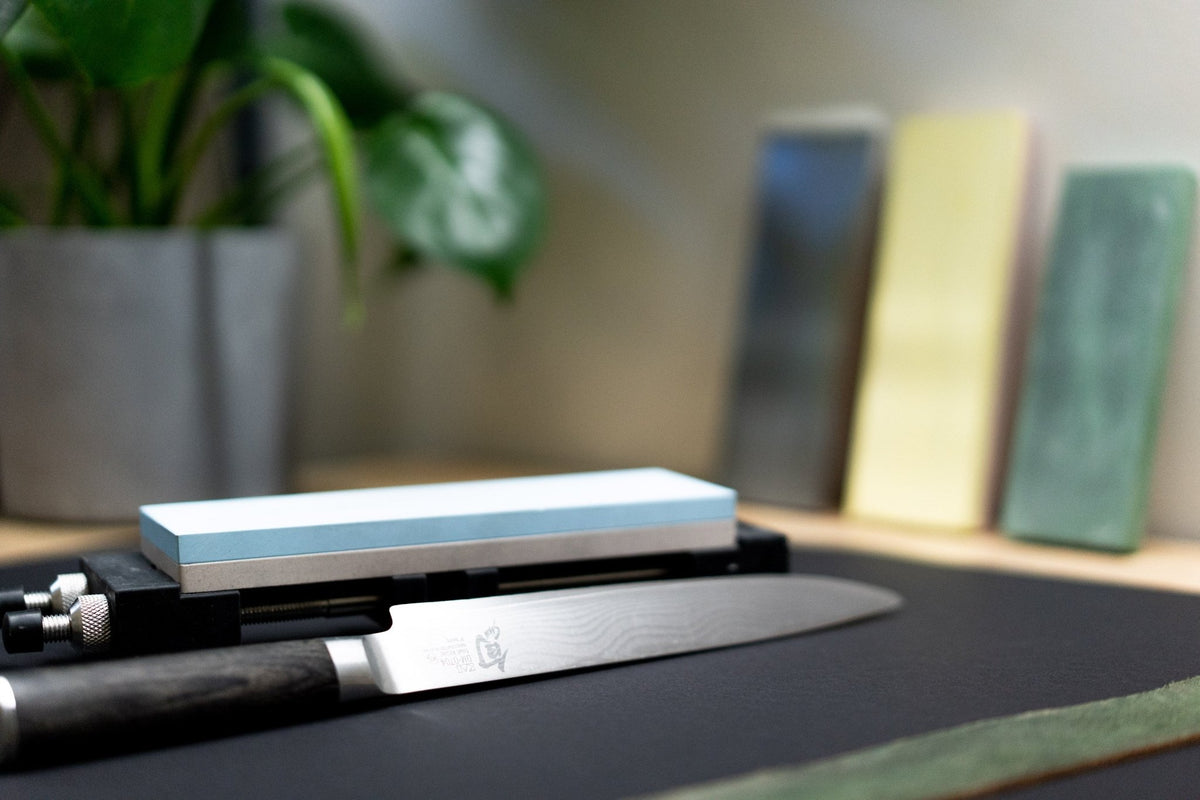
A sharp knife is not only a pleasure to use – it is also a necessity for precision, efficiency and safety in the kitchen. When it comes to keeping your knives sharp, whetstones (wet stones) are the ultimate tool, especially for Japanese knives that require precision. But with so many different whetstones to choose from, it can be difficult to know which one is right for you. Here is Tomatosharp’s guide to finding the perfect whetstone for your needs!
What is a whetstone? 🤔
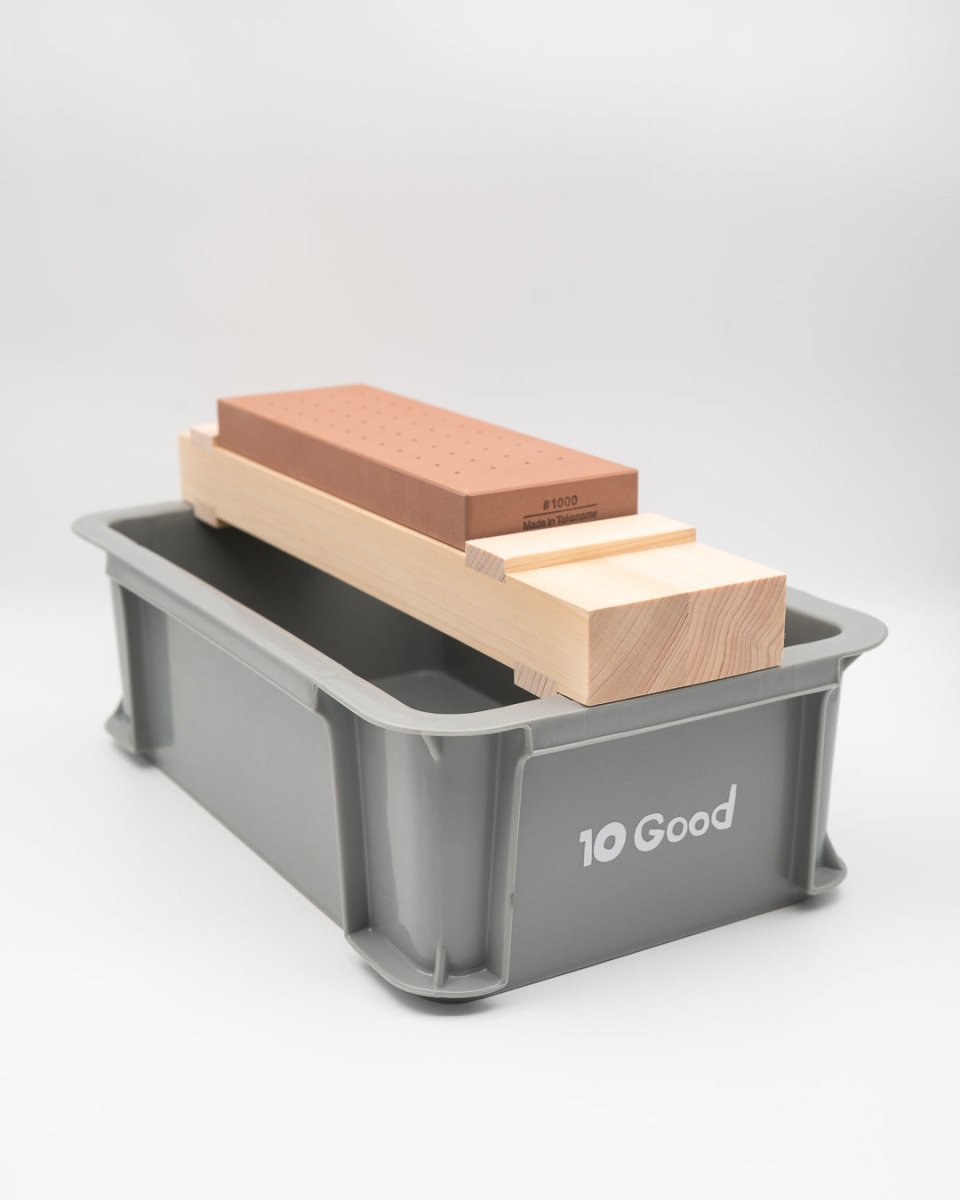
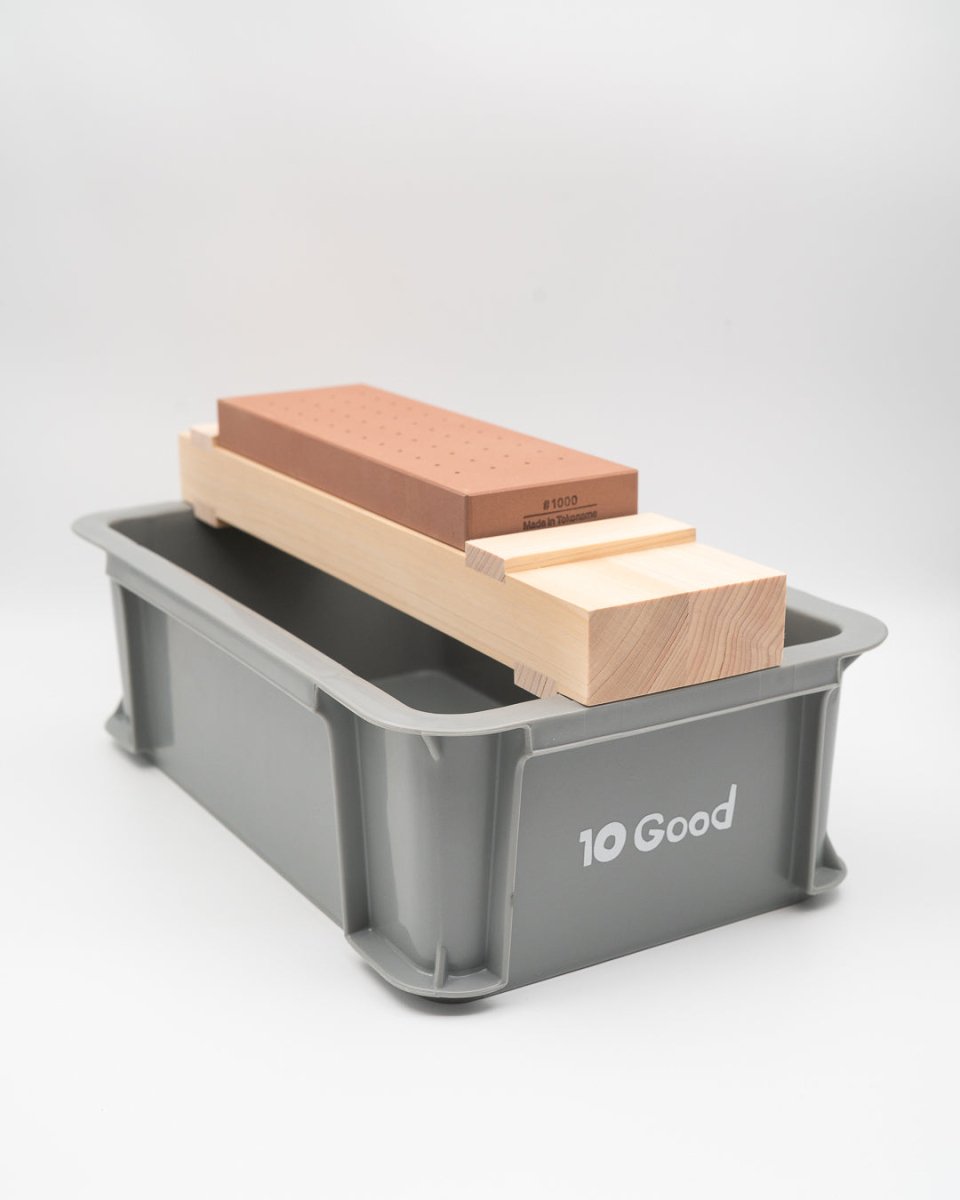
A whetstone is used to sharpen knives by grinding away microscopic irregularities on the edge of the blade. Whetstones come in different grain sizes, also known as "grit" :
- Low grit number: Coarse stone, removes a lot of material (e.g. 200–600).
- High grit number: Fine stone, gives a polished finish (e.g. 3000–8000).
By using the right grit, you can transform a dull knife into a razor-sharp master in the kitchen!
Which grindstone do you need? 🧐
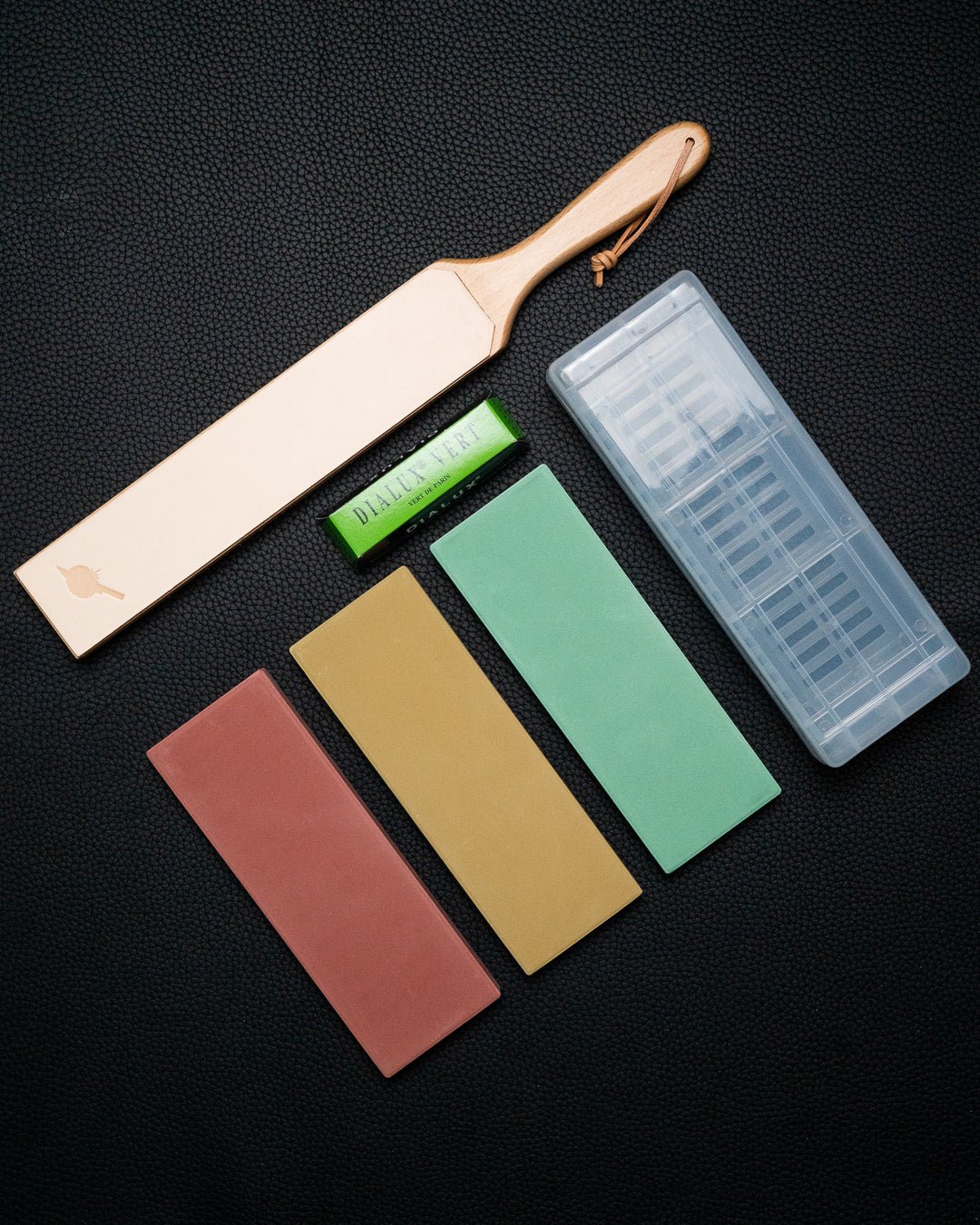
Coarse grit (200–600)
🔹 Application: Repair of damaged or very dull knives.
🔹 When to use: If the knife has notches, or the edge is deformed.
🔹 Perfect for: Knives that haven't been sharpened in a long time.
Medium grit (1000–2000)
🔹 Area of application: Daily maintenance and sharpening.
🔹 When to use: For knives that are used regularly and need a sharp edge.
🔹 Perfect for: All-round cutting and everyday use.
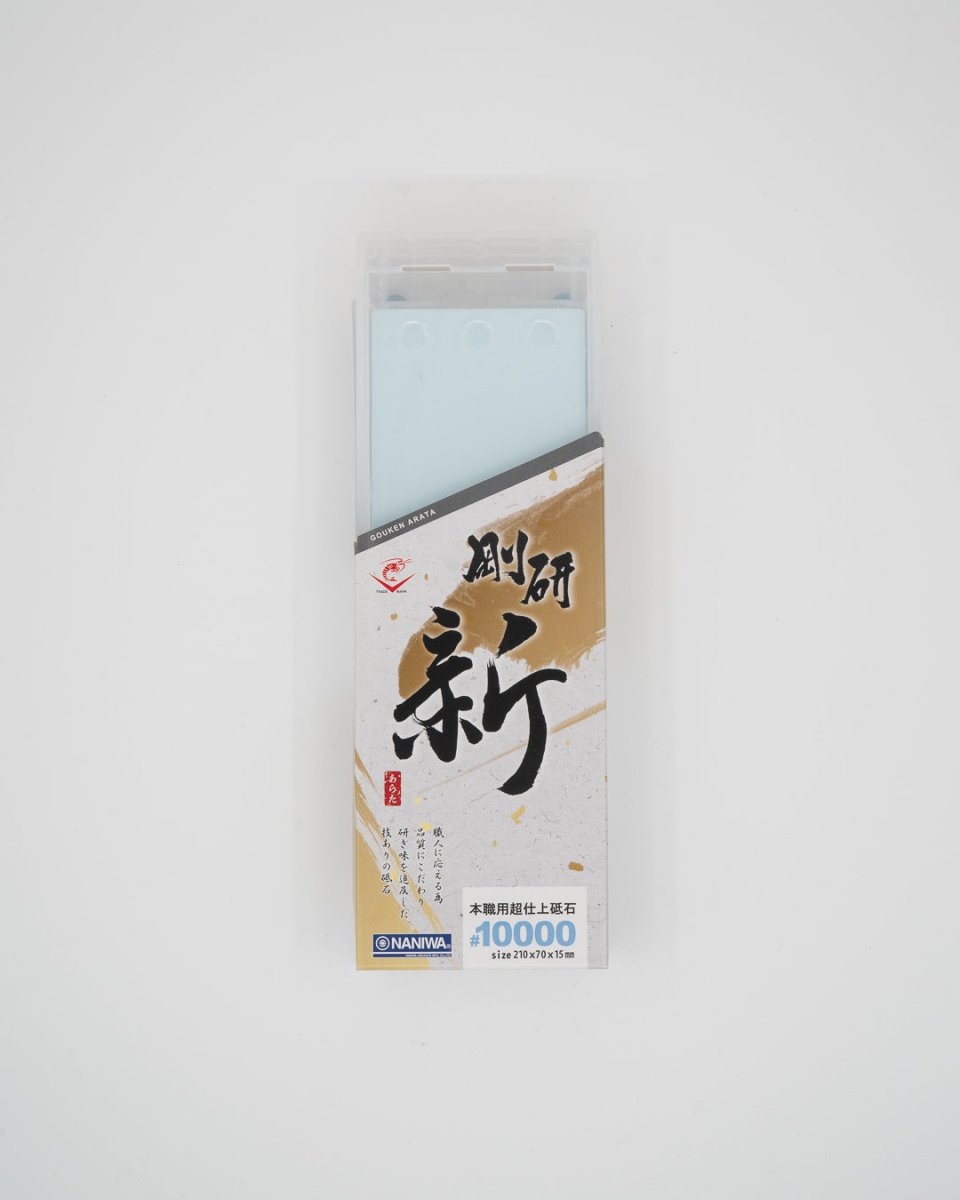
Fine grit (3000–8000)
🔹 Application: Polishing and fine-tuning the knife's edge.
🔹 When to use: After sanding with medium grit to get a razor-sharp finish.
🔹 Perfect for: Japanese knives that require extreme precision.
Combination stones – The all-in-one solution 🔄
Want a practical solution? Try a combination stone :
- Two grit levels on one stone: For example, 1000/3000 or 3000/8000.
- Benefit: Save space and cost – sharpen and polish with one stone.
Perfect for those who want a simple and effective tool for maintenance!
Natural vs. synthetic whetstones 🌿🛠️
Natural grinding stones:
- Benefits: Soft texture that gives a unique finish.
- Disadvantages: More expensive and harder to obtain.
Synthetic grinding stones:
- Advantages: Even grit, fast grinding and high durability.
- Cons: Lacks the authentic feel of natural stones.
Most people choose synthetic stones for their reliability and availability.
How to use a whetstone like a pro? 👨🍳
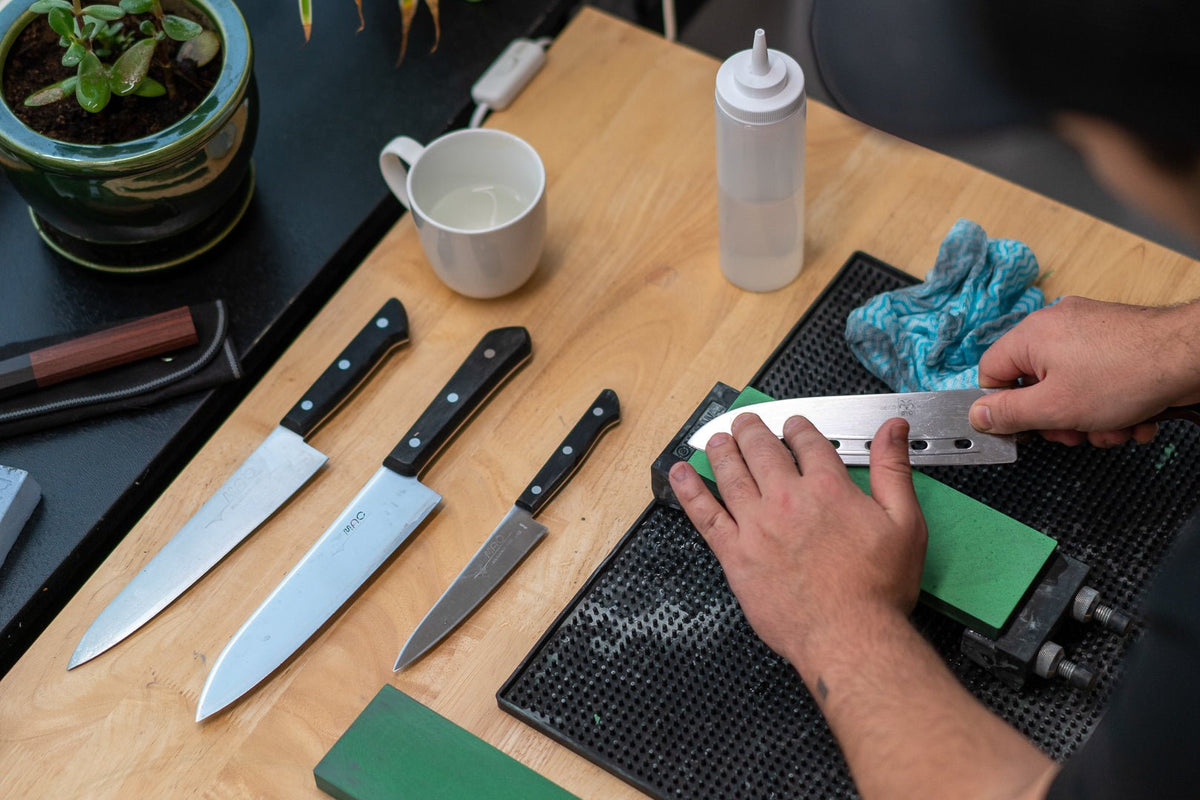
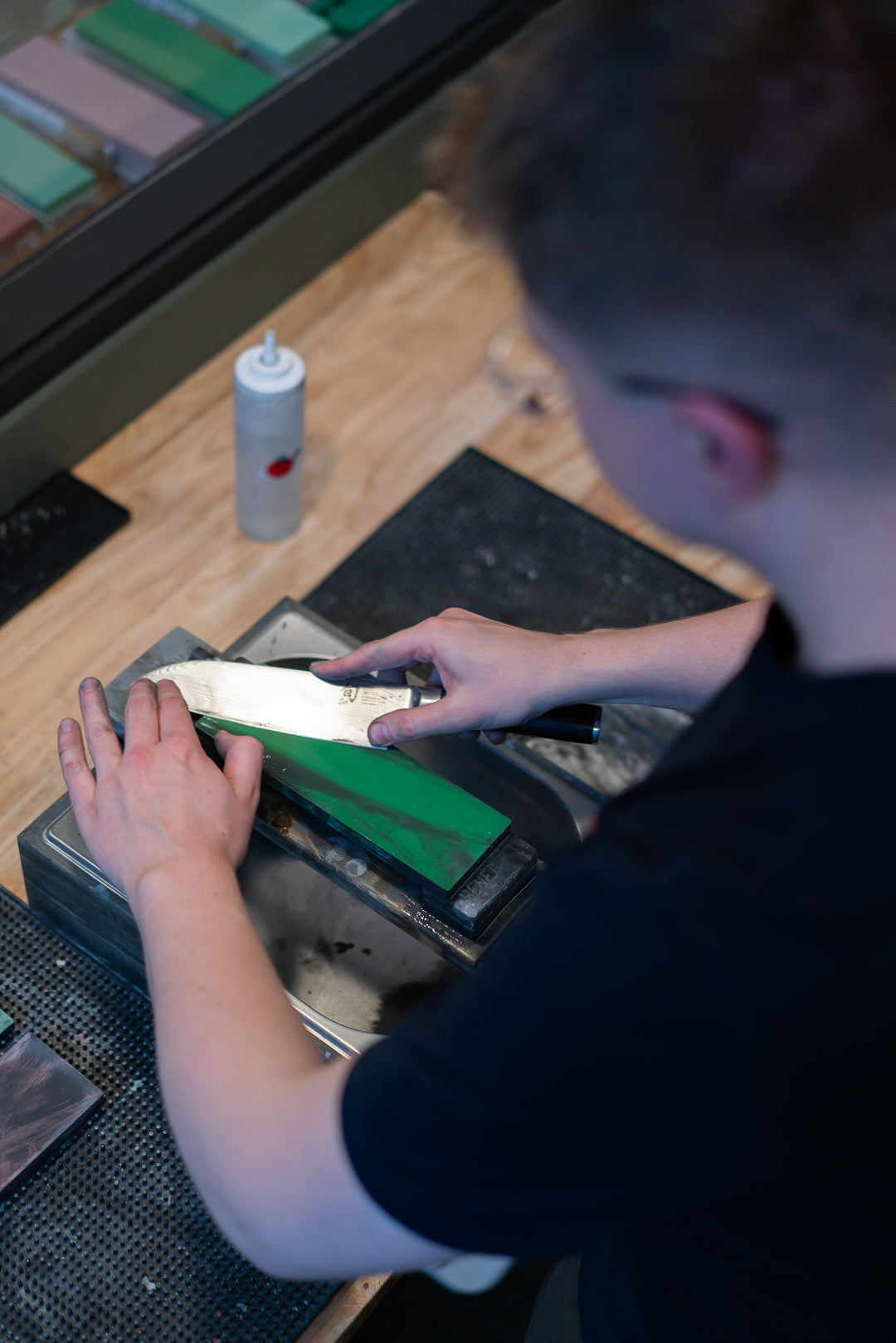
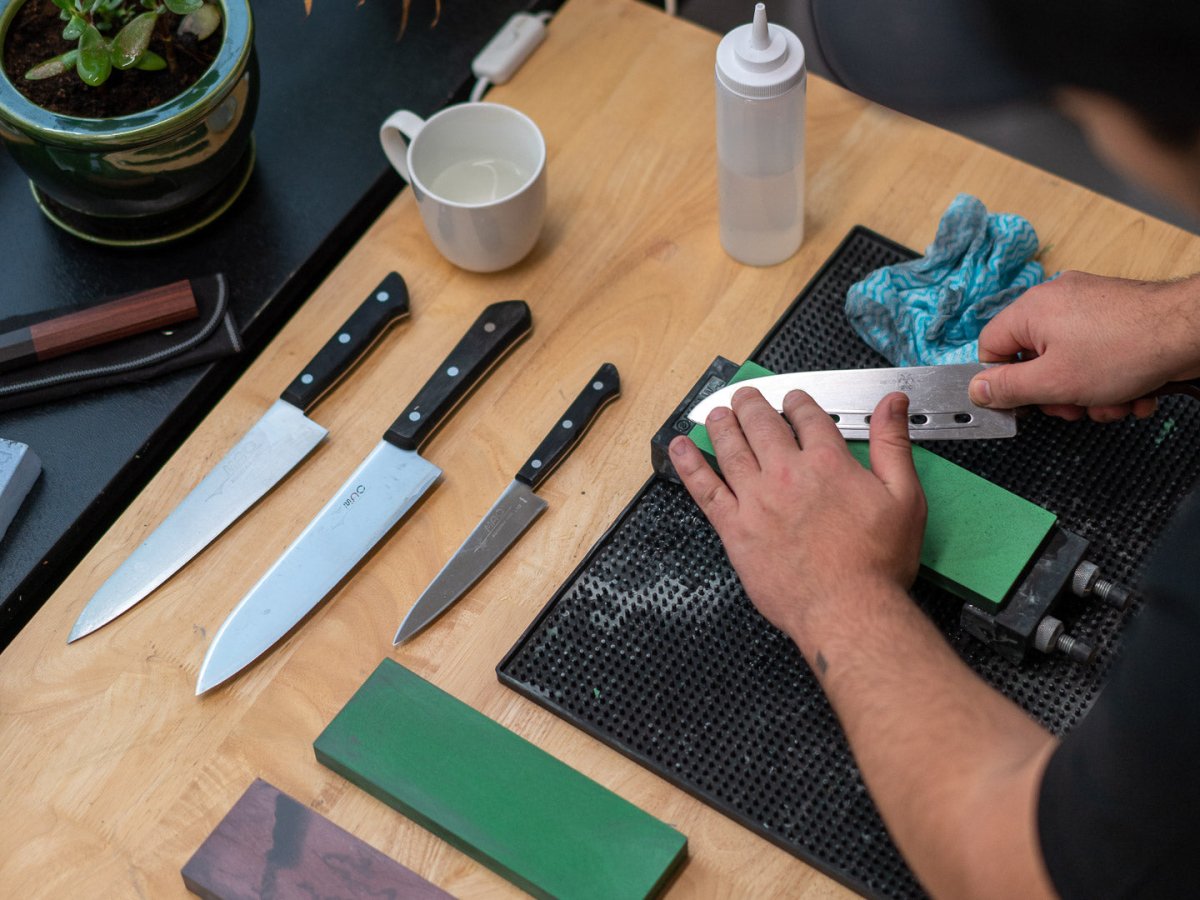
- Soak the stone: Place it in water for 10–15 minutes before use, or keep it wet with a squirt bottle while you work to ensure smooth and efficient sanding.
- Keep the correct angle: For Japanese knives, use an angle of 10–15 degrees.
- Sharpen evenly: Move the knife back and forth with light pressure. Make sure to sharpen the entire blade.
- Test the sharpness: Try cutting a sheet of paper or a tomato to check the result.
Grindstone maintenance 🧼
Keep your grindstone in top condition with these tips:
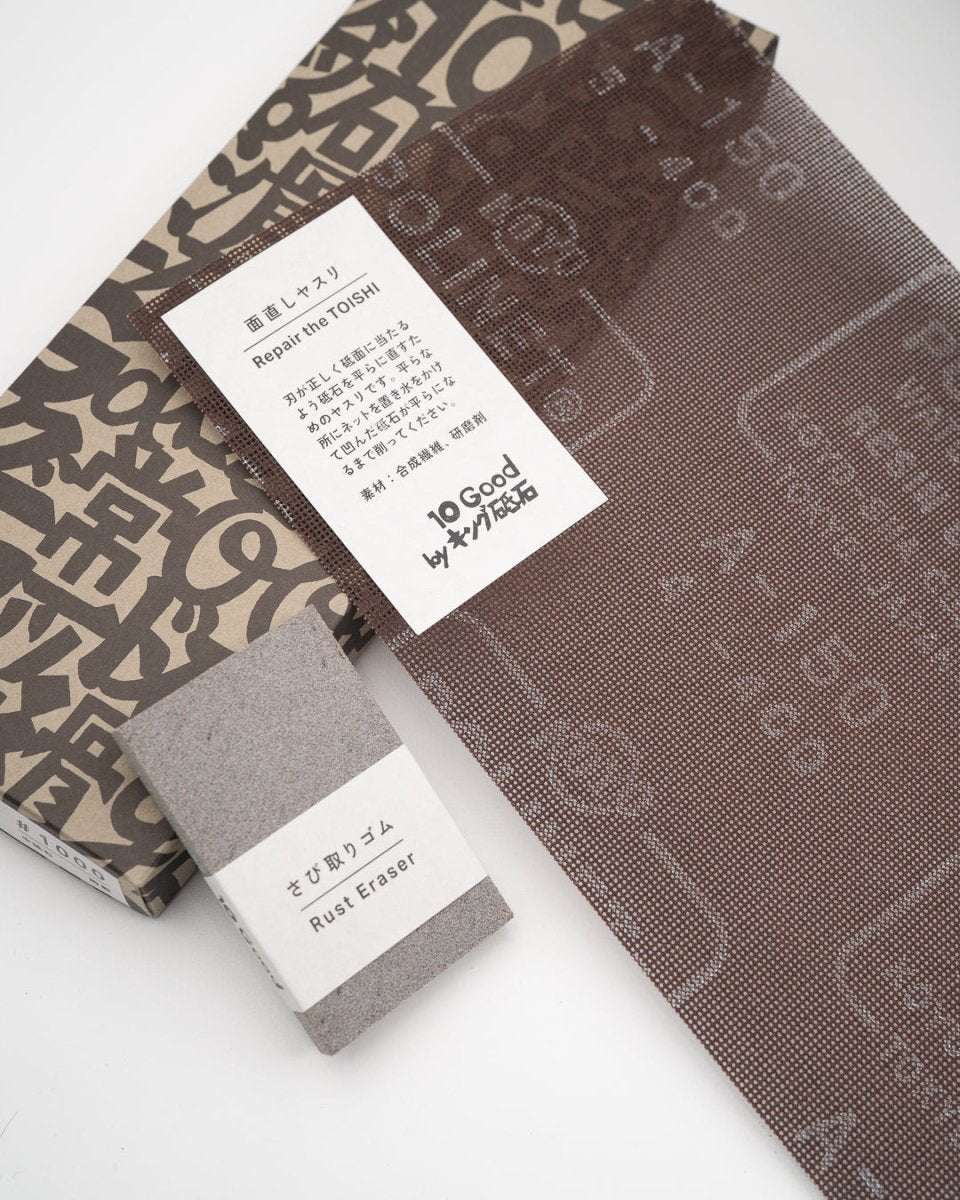
- Leveling: Use a leveling stone to keep the stone flat and even.
- Cleaning: Rinse the stone after use to remove metal residue.
- Storage: Store it in a dry place to avoid cracking.
A well-maintained whetstone = an always sharp knife!
Tomatosharp's recommendations – Grindstones for every need 🔪✨
At Tomatosharp we have a wide selection of high-quality sharpening stones:
- Combination stones: Perfect for beginners and experienced users.
- Different grit levels: From coarse repair to fine polishing.
- Guidance and tips: We help you find the ideal sharpening stone for your knives!
Give your knives new life with a sharpening stone from Tomatosharp! 🌟
A good sharpening stone is an investment in sharp knives and better cooking. Explore our selection at Tomatosharp.no and find the sharpening stone that gives you professional results at home in your own kitchen.
🔪 Keep your knives sharp. Keep your cooking on top. With Tomatosharp.