Sakai Takayuki
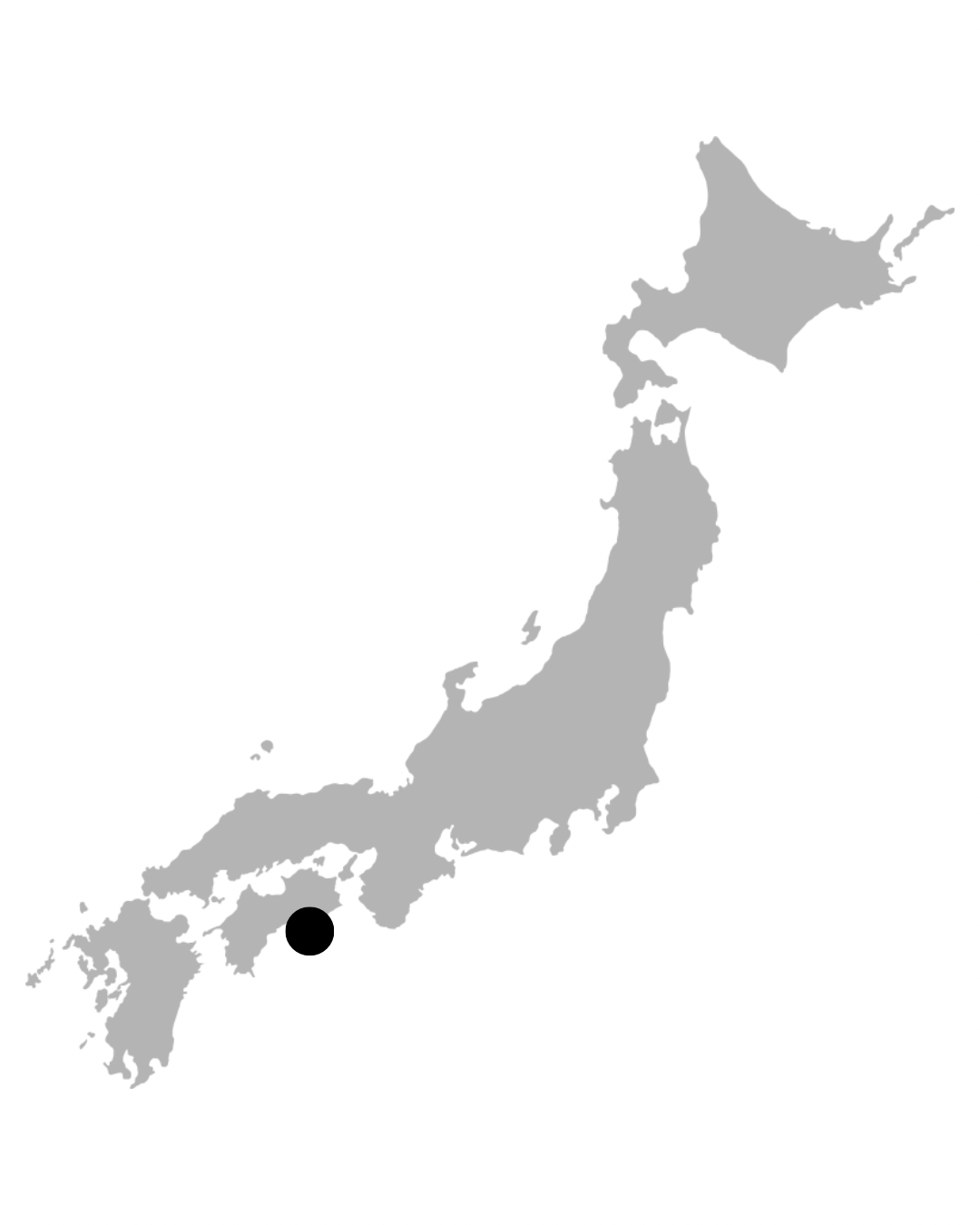
Sakai, Osaka
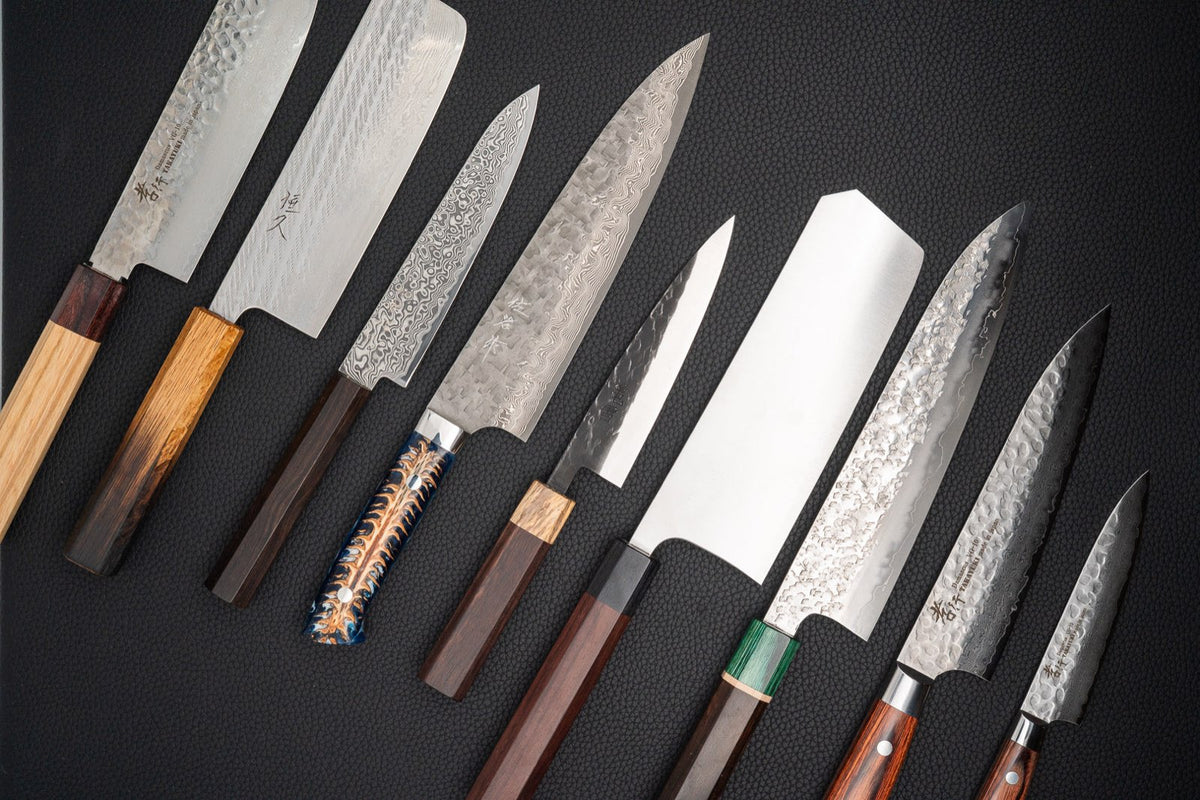
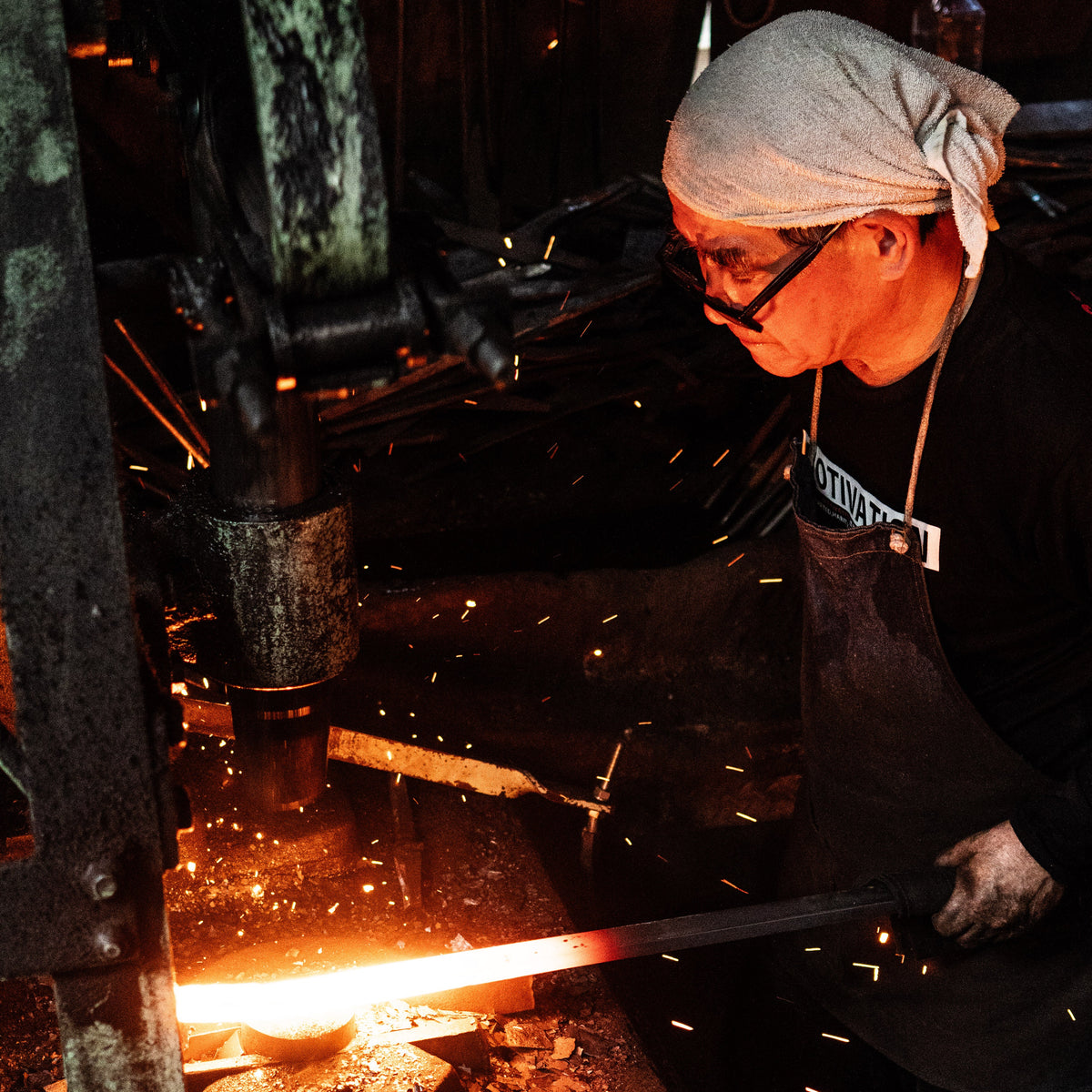
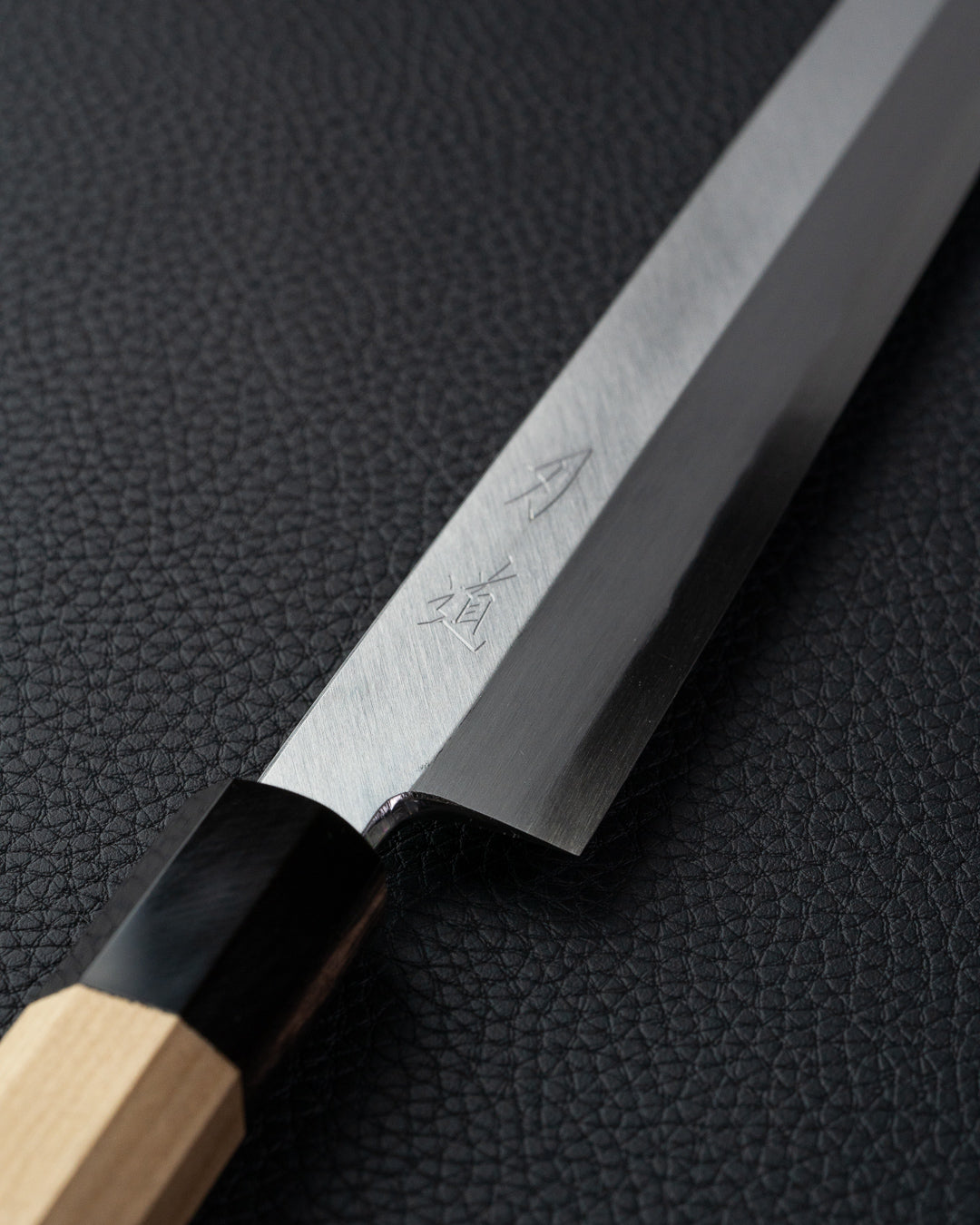
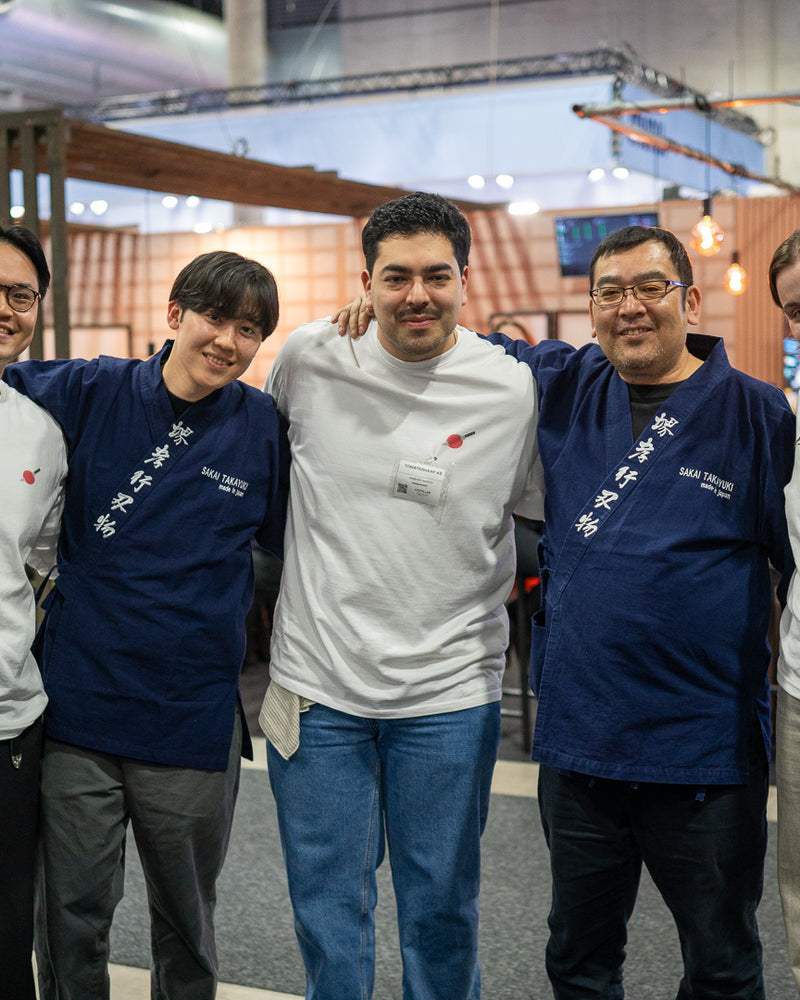
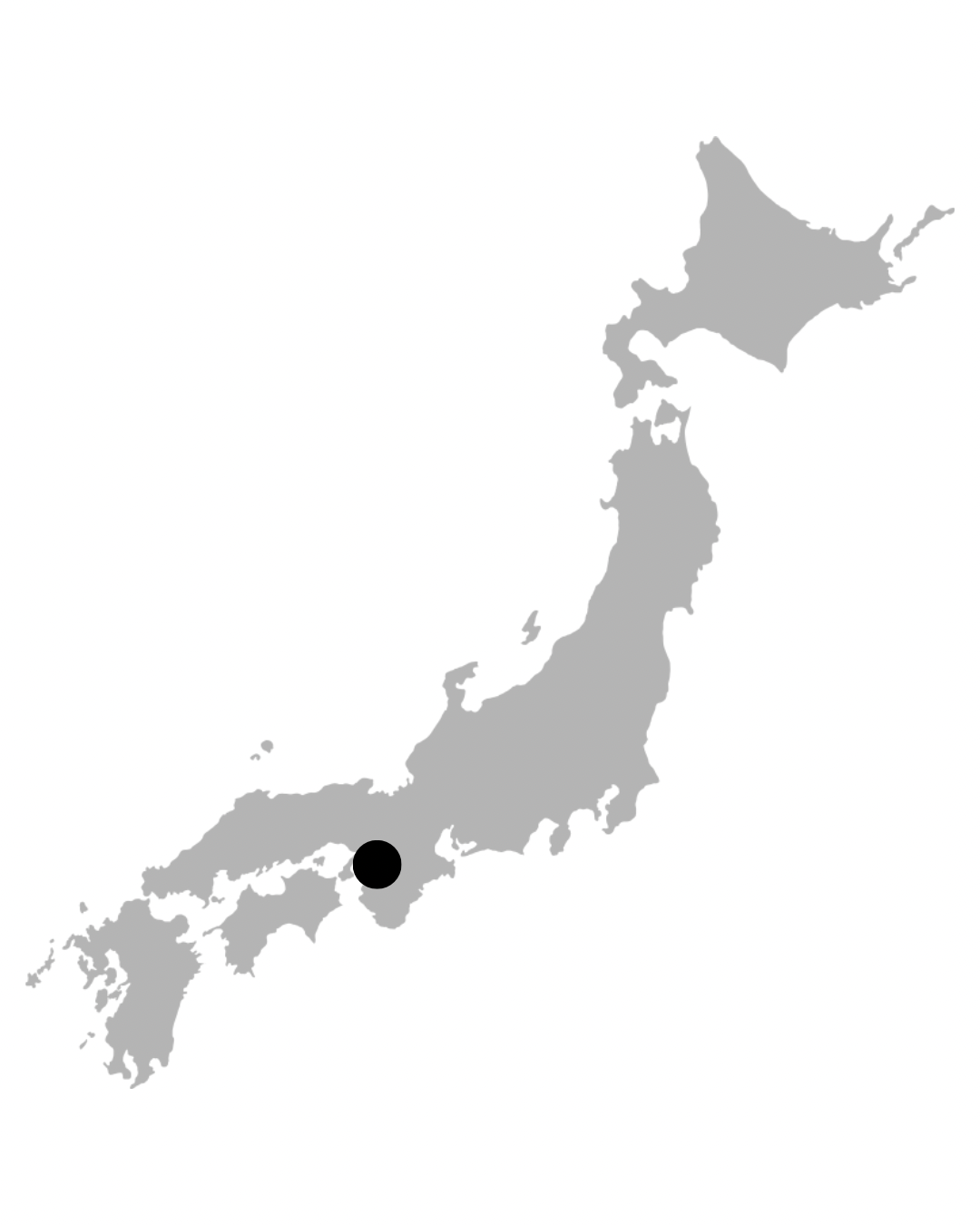
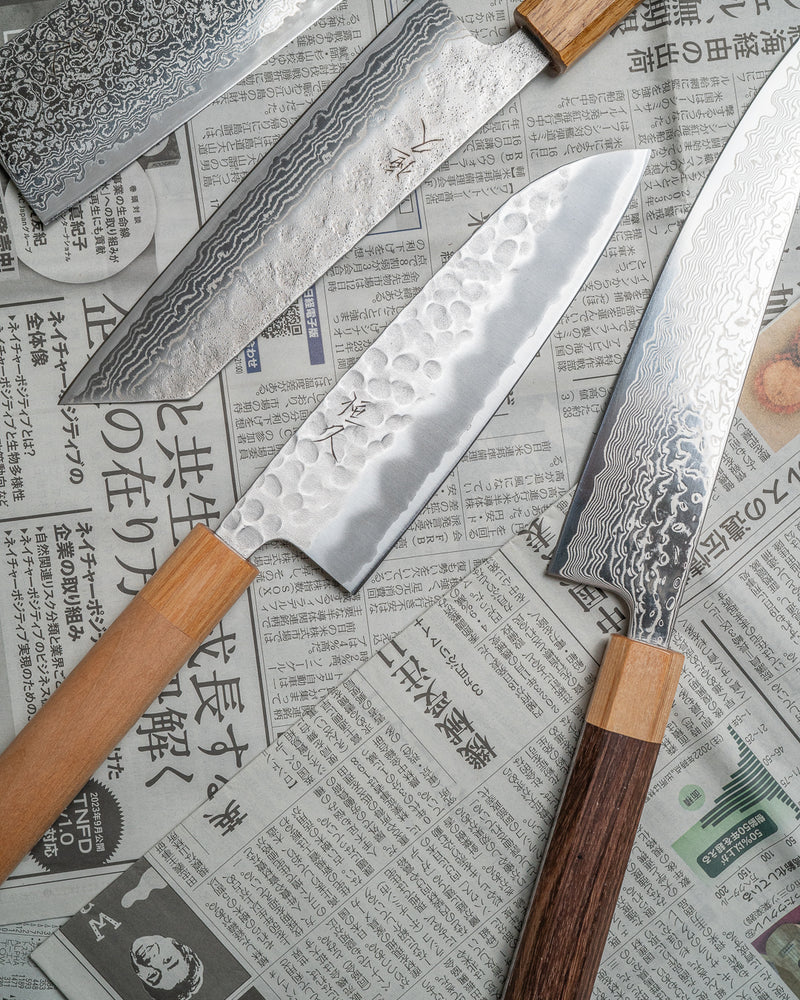
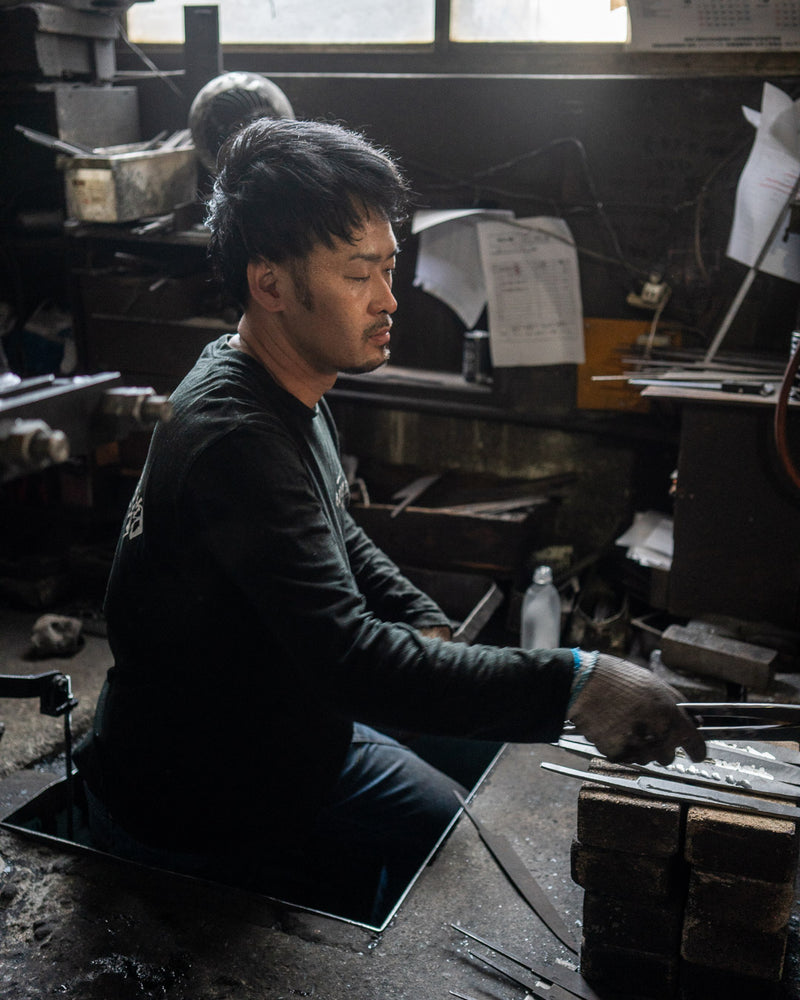
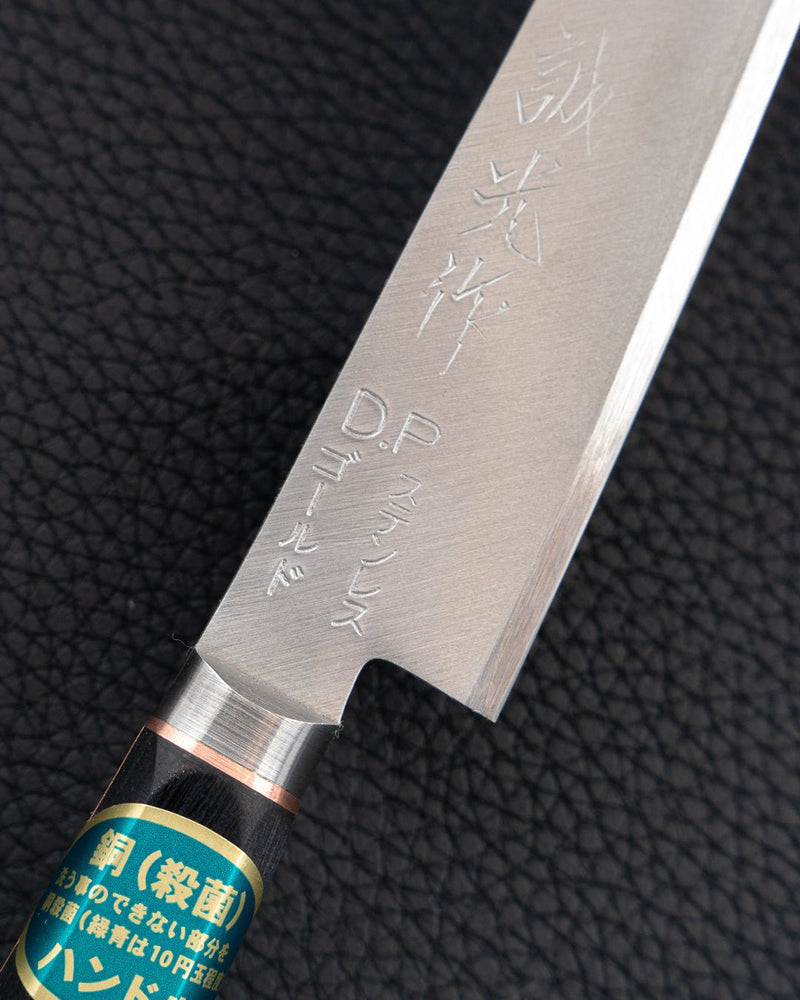
Sakai Takayuki is made at Aoki Hamono in Sakai, the town where knives have been forged since the 1500s. The smiths include Itsuo Doi and Shogo Yamatsuka.
About Sakai TakayukiHATSUKOKORO
Amagasaki
Hatsukokoro was started in Amagasaki near Osaka to gather knives from all over Japan under one name.
About HATSUKOKOROHADO
Sakai, Osaka
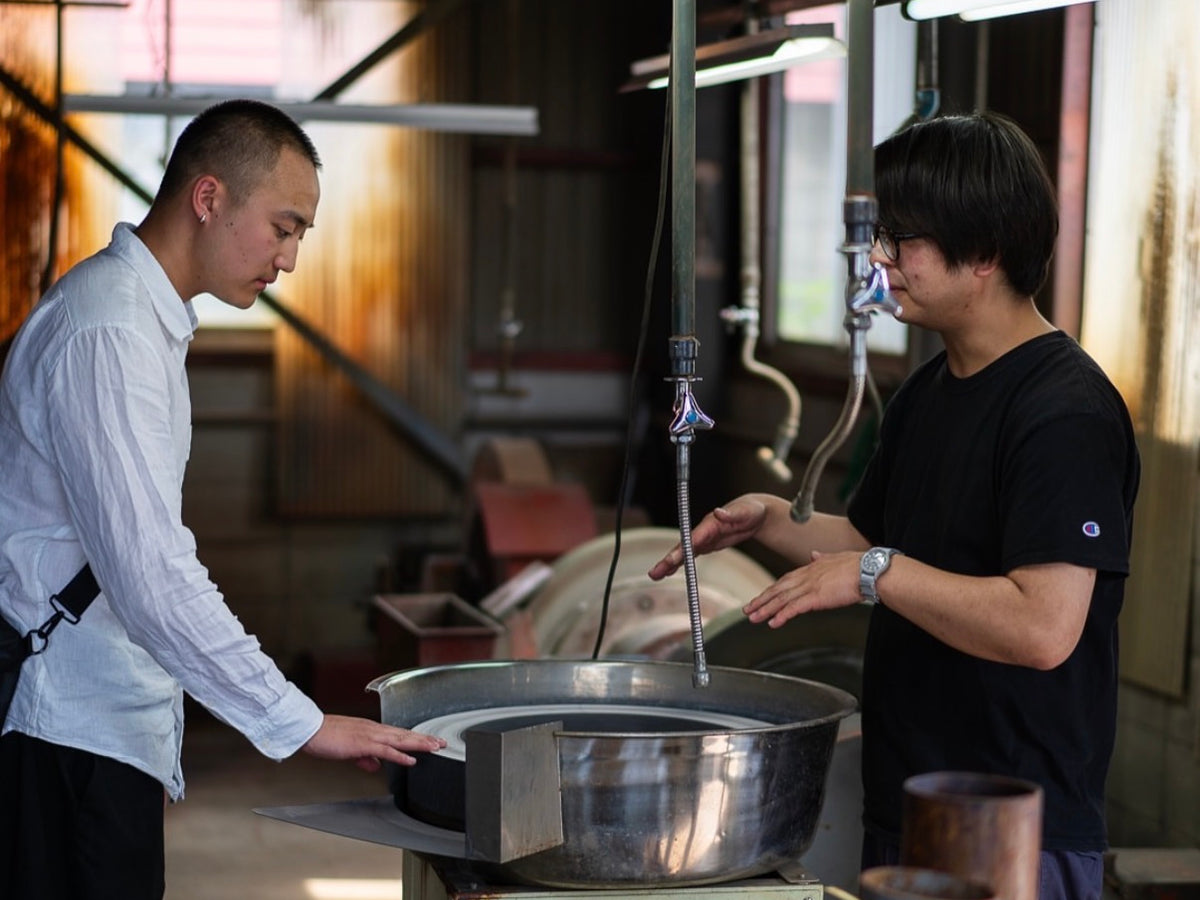
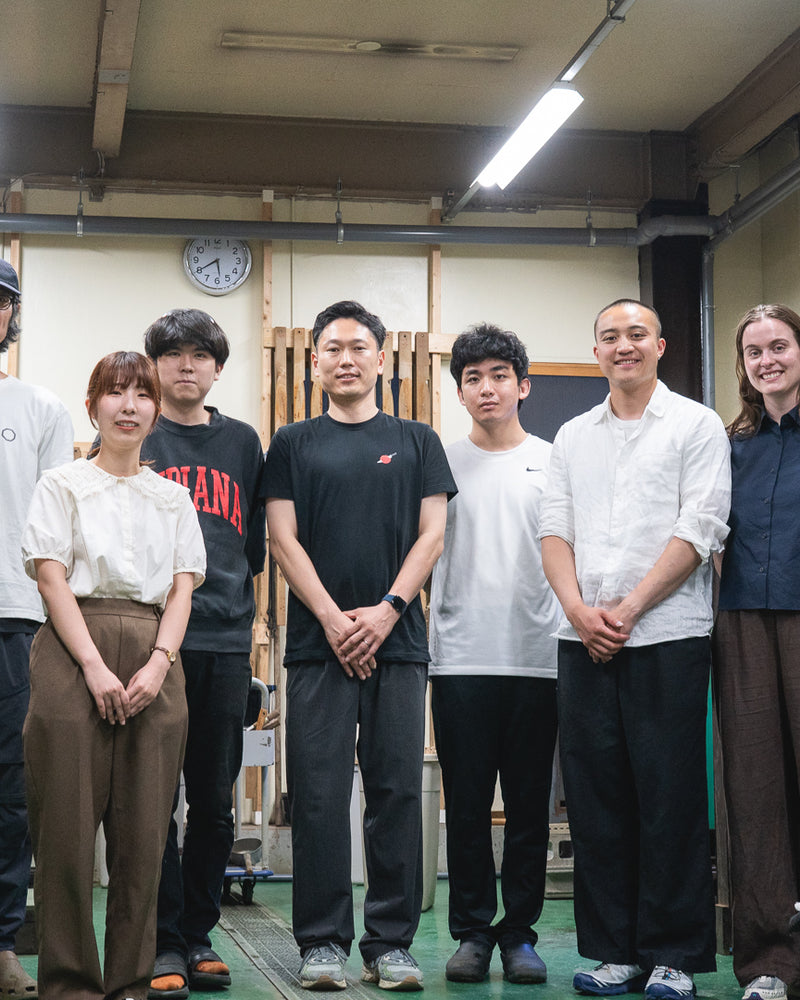
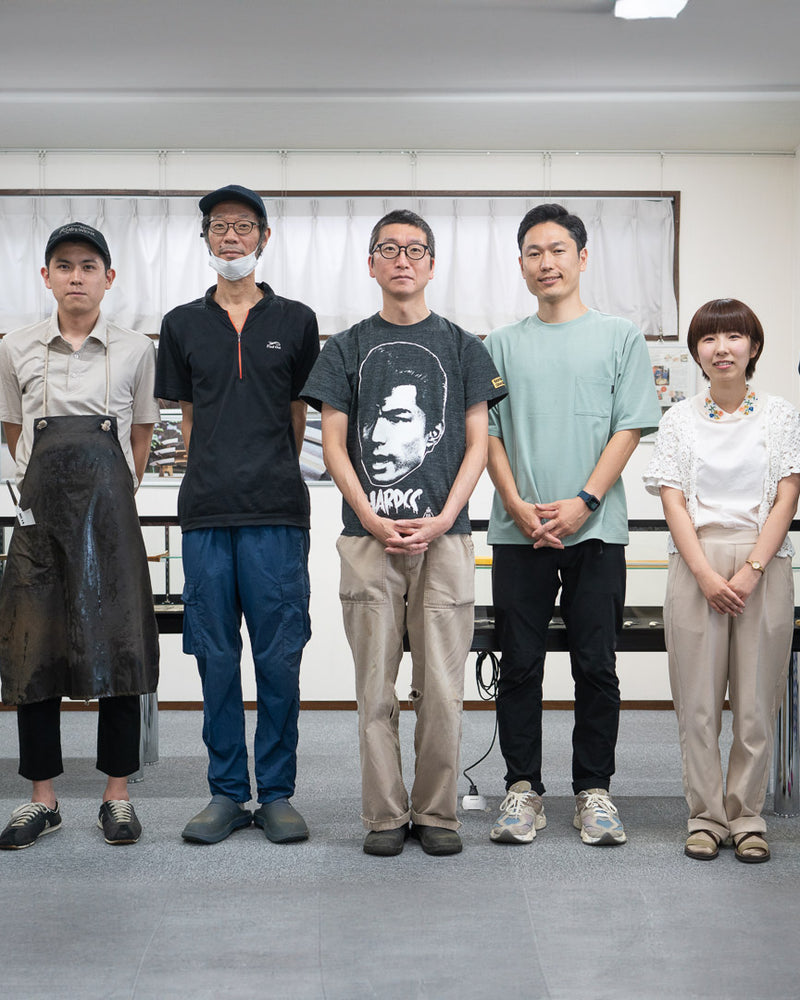
HADO was started in 2019 by Fukui Co. in Sakai. The team is six craftspeople who do almost everything themselves: sharpening, polishing and fitting handles, with blades forged by Sakai smiths such as Yoshikazu Tanaka and Shogo Yamatsuka. HADO was the first brand we took into the shop, and in summer 2023 we visited their workshop in Sakai.
About HADOOUL
Sakai, Osaka
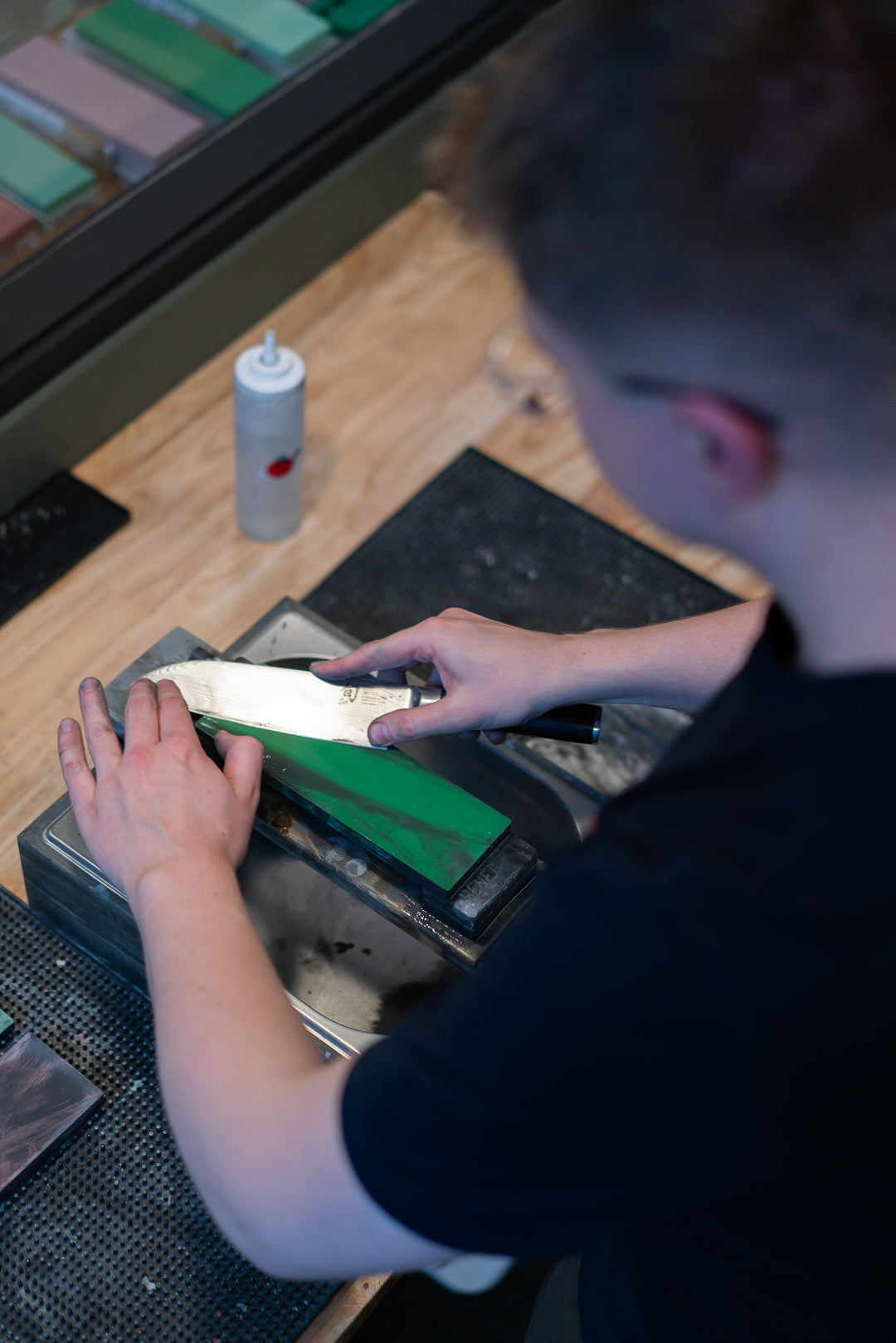
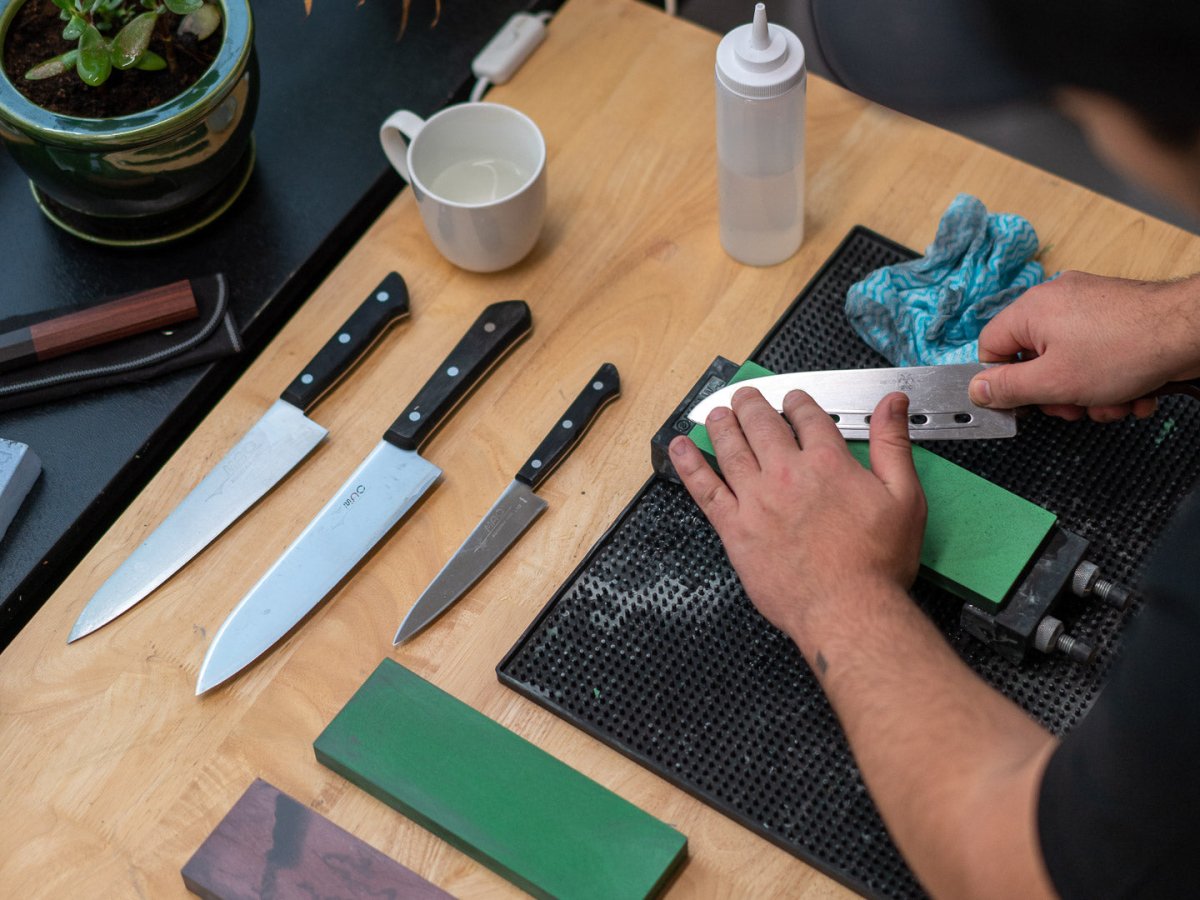
OUL is based in Sakai, under the same roof as HADO. They are sharpening specialists: the blades come from smiths, then they are sharpened, polished and fitted with handles at OUL. We picked the knives in the shop ourselves when we visited the factory in summer 2023.
About OULMasutani
Takefu, Fukui
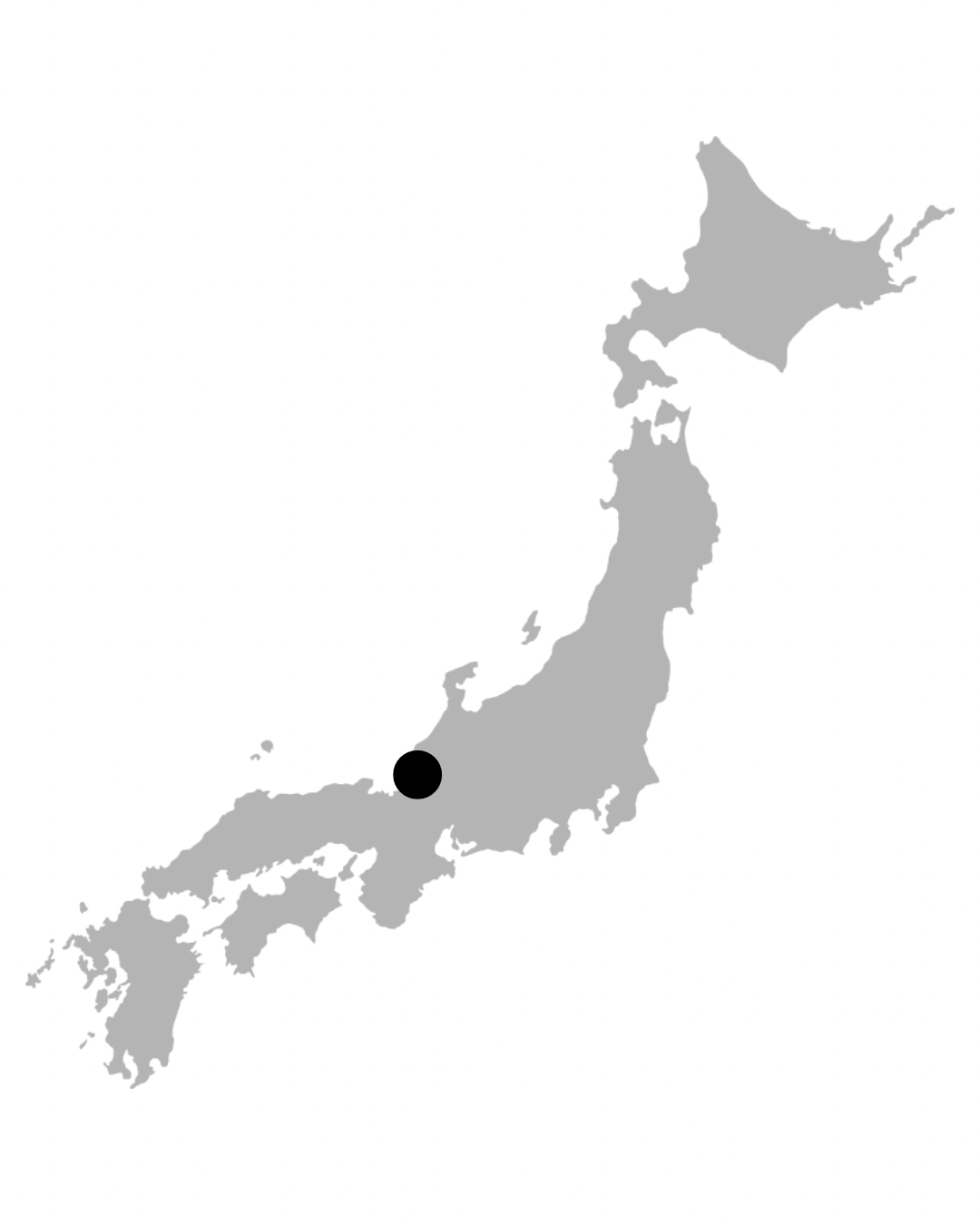
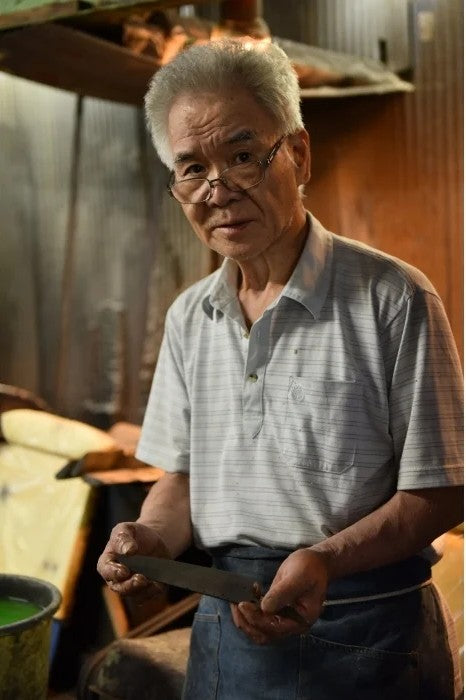
Masutani was born in 1944 in Takefu and learned the trade by watching his father from the age of 15. At 30 he opened his own forge. The knives are forged in the sanmai technique, hard core steel with softer steel around it, and come sharp from the workshop.
About MasutaniTsunehisa
Tosa, Seki og Sakai, Japan
Tsunehisa gathers knives from several of Japan's knife regions, each with its own steel and its own way of making a knife: Ginsanko and AUS-8 from Tosa, the V-Gold steels from Seki and single-bevel honyaki from Sakai.
About TsunehisaSatoshi Nakagawa
Sakai, Japan
Satoshi Nakagawa apprenticed at Shiraki Hamono in Sakai for 16 years and took over the machines when his master retired. He forges in Shirogami and Aogami (Japanese carbon steel) and also makes honyaki blades (one steel all the way through, hardened like a sword), often with a kasumi finish (a matt, misty surface).
About Satoshi NakagawaEnjiki
Nara, Japan
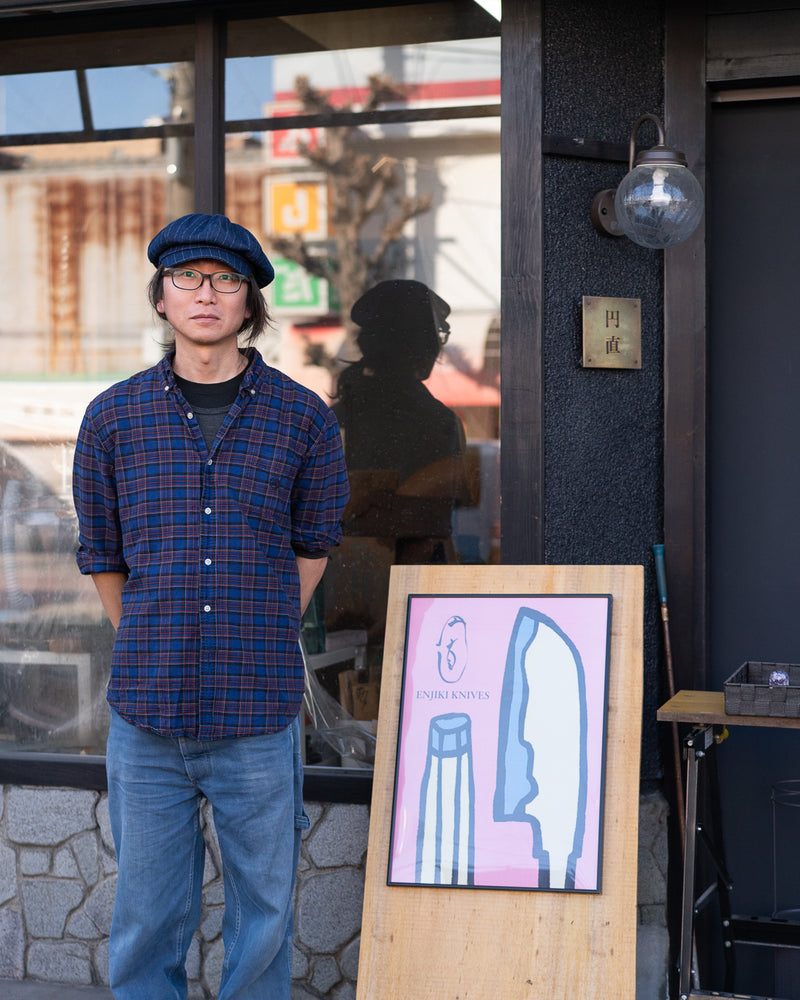
Enjiki is the workshop of Tadataka Maruyama in Nara, formerly head sharpener at HADO. After an apprenticeship in Sakai and twelve years at Fukui Co. he set up on his own in 2025. The blades are forged by smiths such as Yamatsuka Hamono, before Maruyama sets the edge himself.
About EnjikiShibata
Fukuyama, Hiroshima
Takayuki Shibata is a master sharpener and the man behind the Masakage and Koutetsu knives. His motto is "Art over Beauty". The edge is thin and much used for vegetables and raw fish.
About ShibataMiki Hamono
Miki, Hyogo
Miki Hamono is a small forge in Miki in Hyōgo with over 70 years of history. Kunio Masuya still forges himself, with techniques that go back to Japanese sword making.
About Miki Hamono