


Niigata
Sanjo
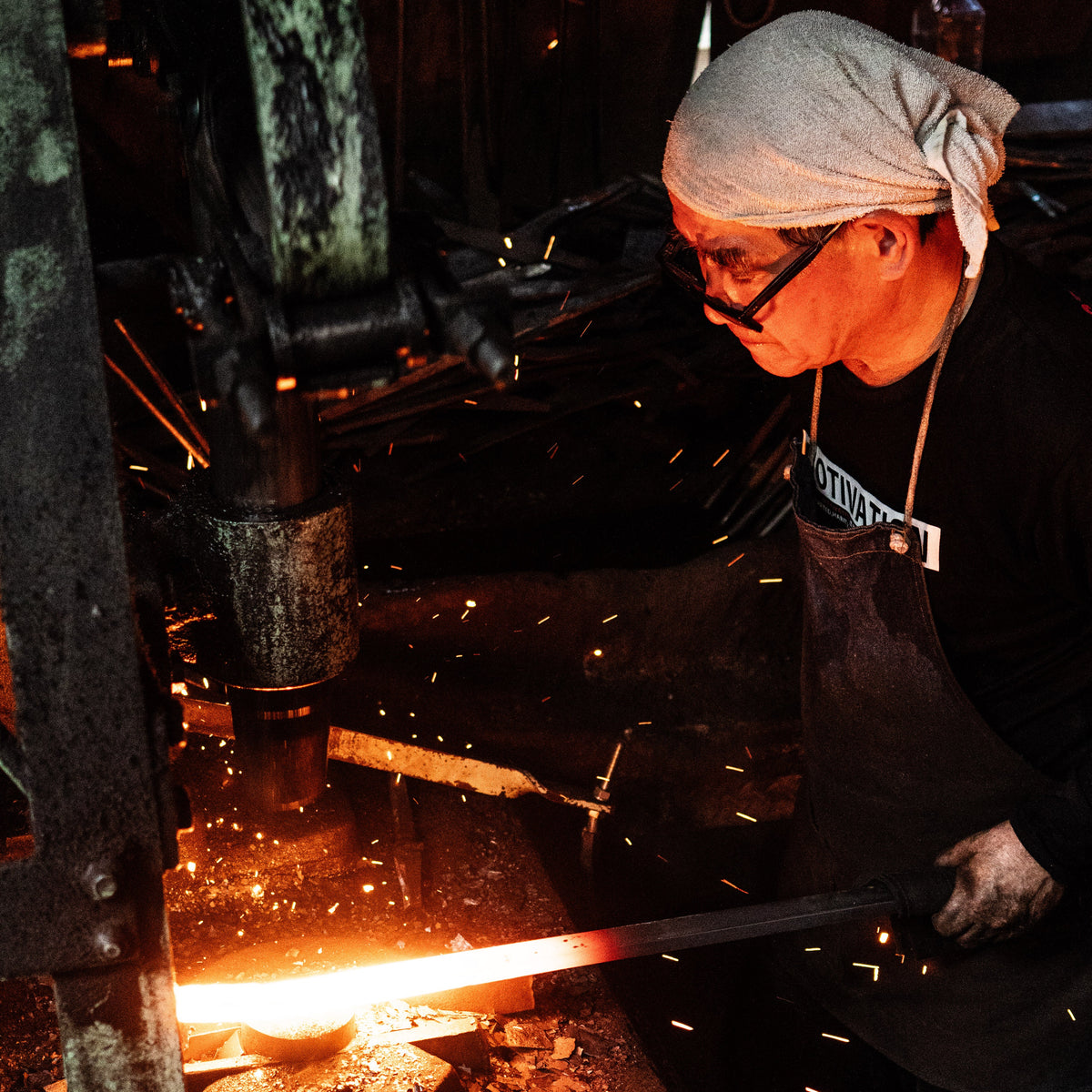
Sanjo and the neighbouring town of Tsubame have worked with metal since the Edo period. The workshops in Sanjo are small, and one smith often does everything from steel to edge.
Nails, axes, knives
From nails to knives
The land here was often flooded, and people made nails to have something to live on. Then came tools and knives. Today most of the cutlery and kitchen equipment in Japan is made in Tsubame and Sanjo.
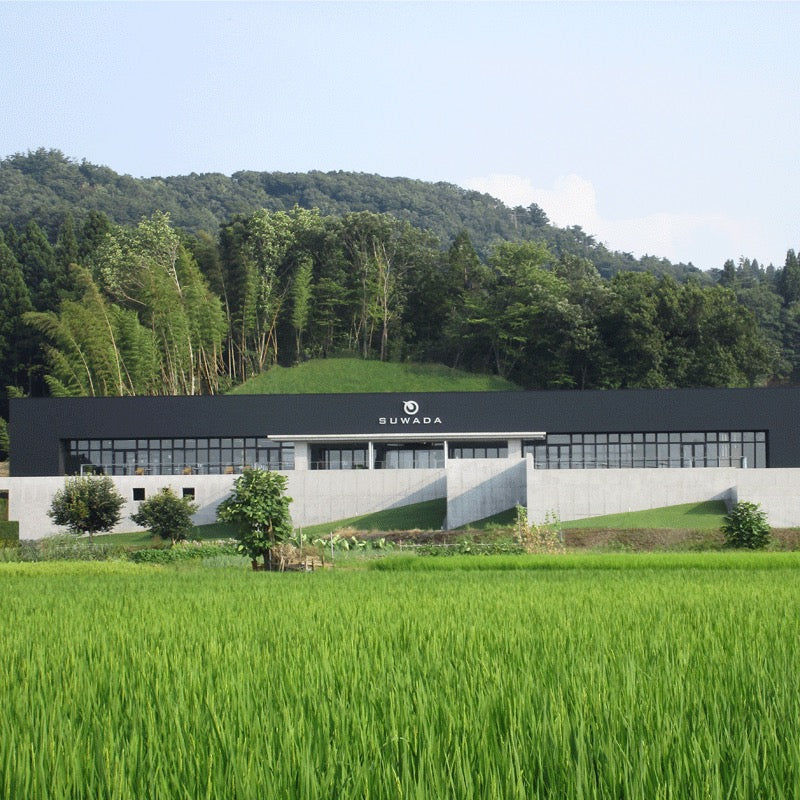
The town has a long tradition of axes, and the hammers here are bigger and strike harder than elsewhere. Suwada makes its nail clippers here, in its own factory.
Where
Sanjo, Niigata

How the knives are made in Sanjo
One smith, every step
The smiths compare themselves to the village blacksmith, who made everything from tools to knives.
The taper is forged in
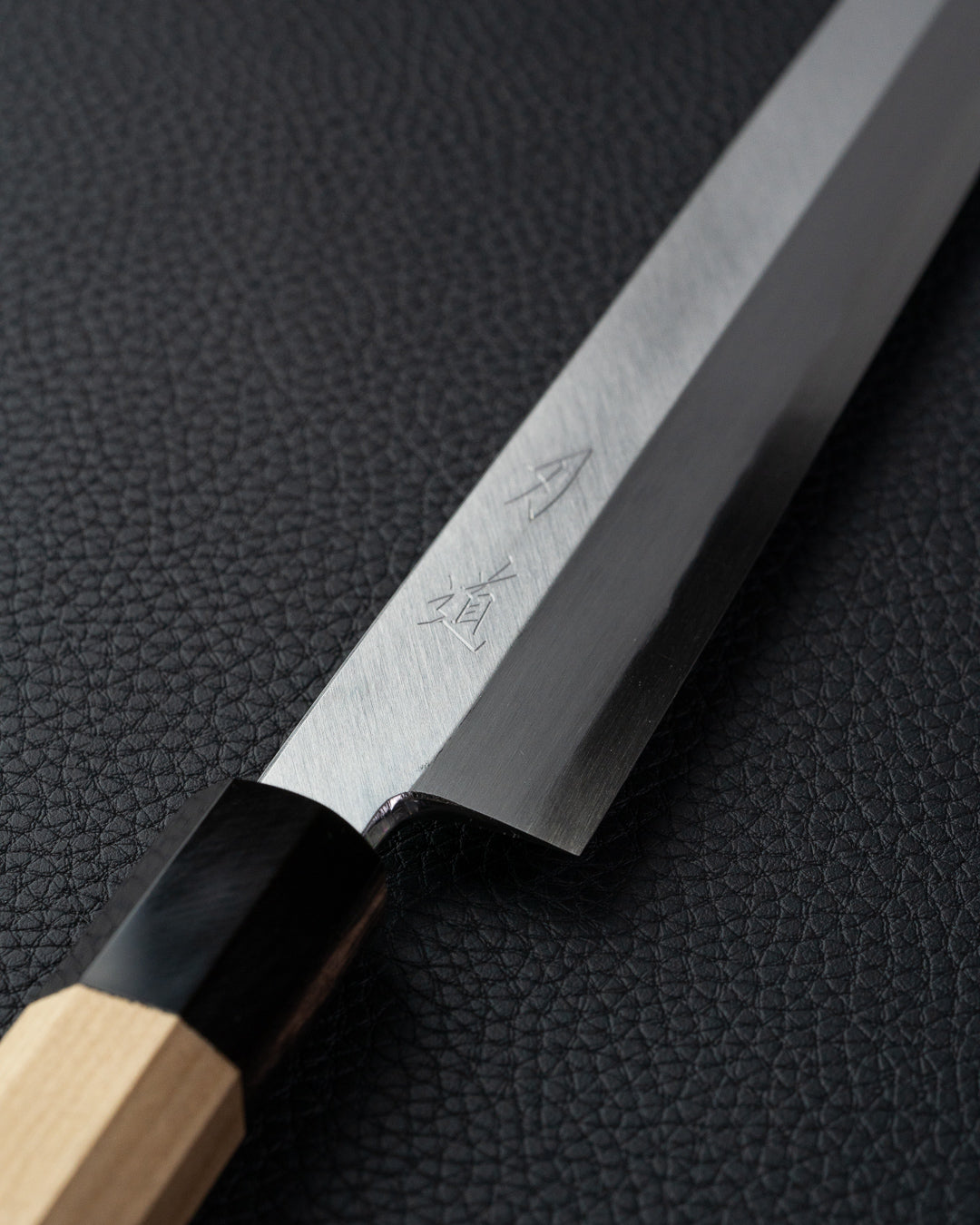
The blade gets thinner from spine to edge and from heel to tip, and this is done under the hammer, not only on the grinding wheel.
Taller blades
Knives from Sanjo are tall, with a thick spine and a thin edge, and feel solid in the hand.
Thin tip, heavy heel
The taper gives a thin tip for fine work and more weight at the heel. You notice it most on a gyuto (chef’s knife).
From Sanjo in the shop
The brands from here
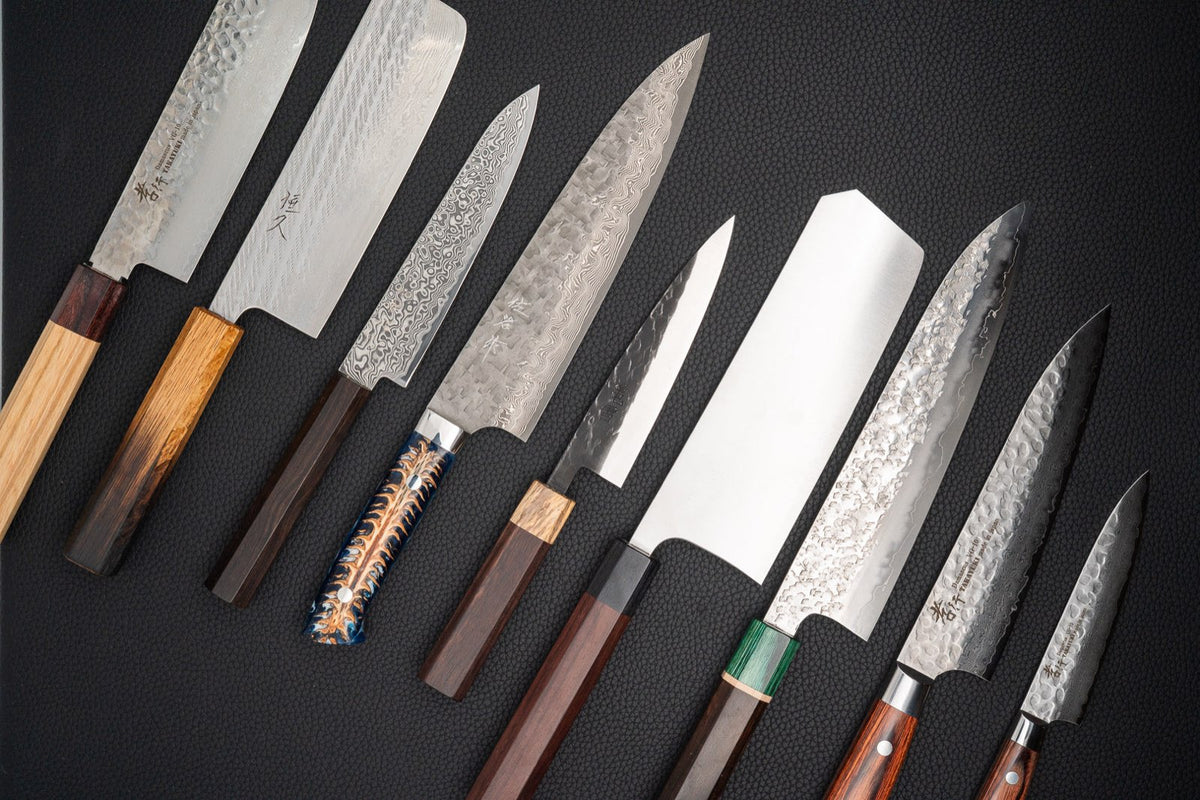
Yoshikane Hamono
Workshop, since 1919
Four generations in Sanjo. Known for its taper and for the steel SKD11.
See the knives
Suwada
Sanjo
End cutters from 1926 and nail clippers from 1950.
See the clippersNisaku
Tsubame
Has made knives since the 1930s. In our range, they make the bread knives.
See the knivesTsukasa
Smith, Sanjo
Tsukasa Hinoura is a third-generation smith and does every step himself. In our range: a nakiri (vegetable knife) in Shirogami with kurouchi.
See the knivesToshitaka
Sanjo
In our range: a bunka in ZDP steel.
See the knives

Photo: Suwada