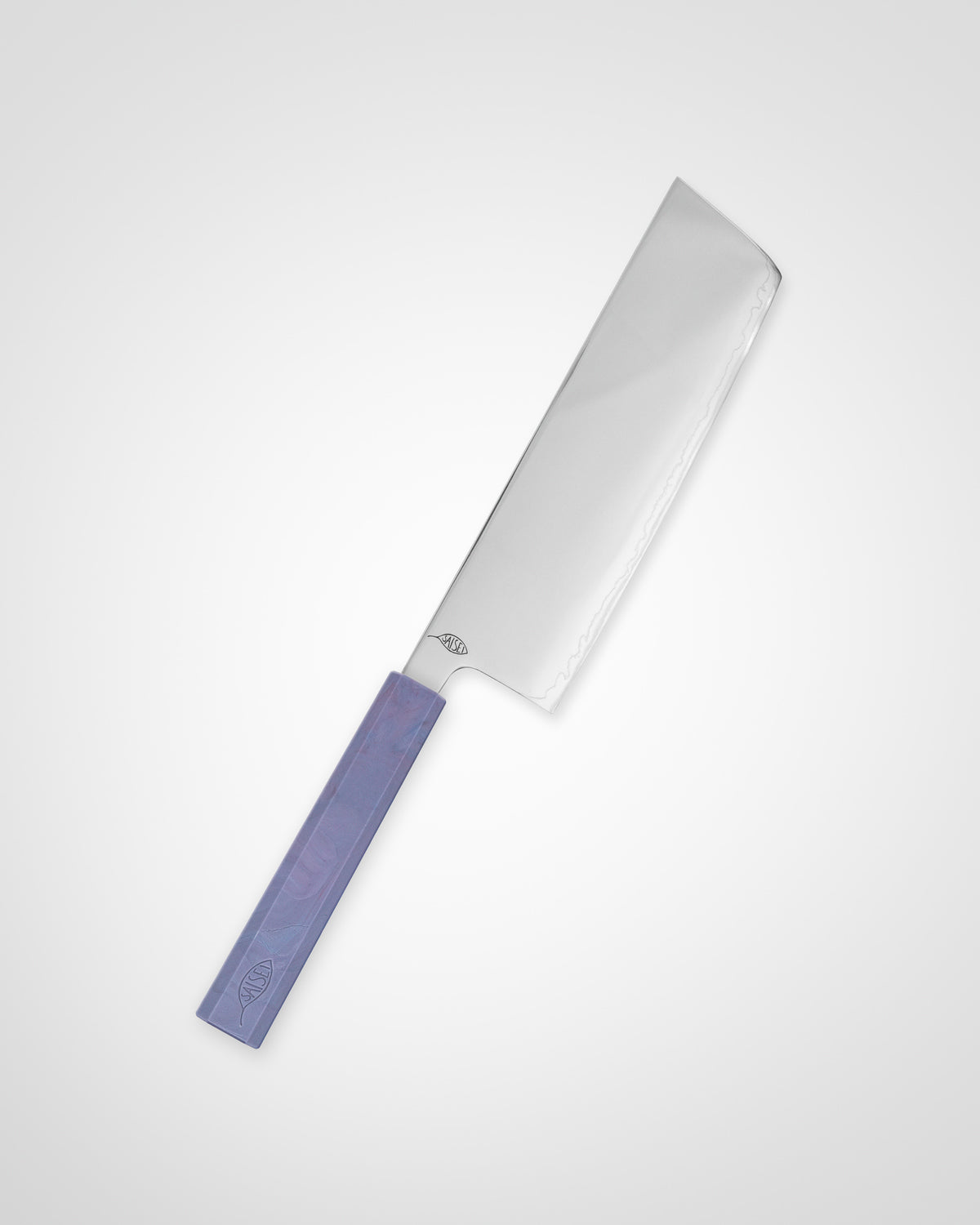


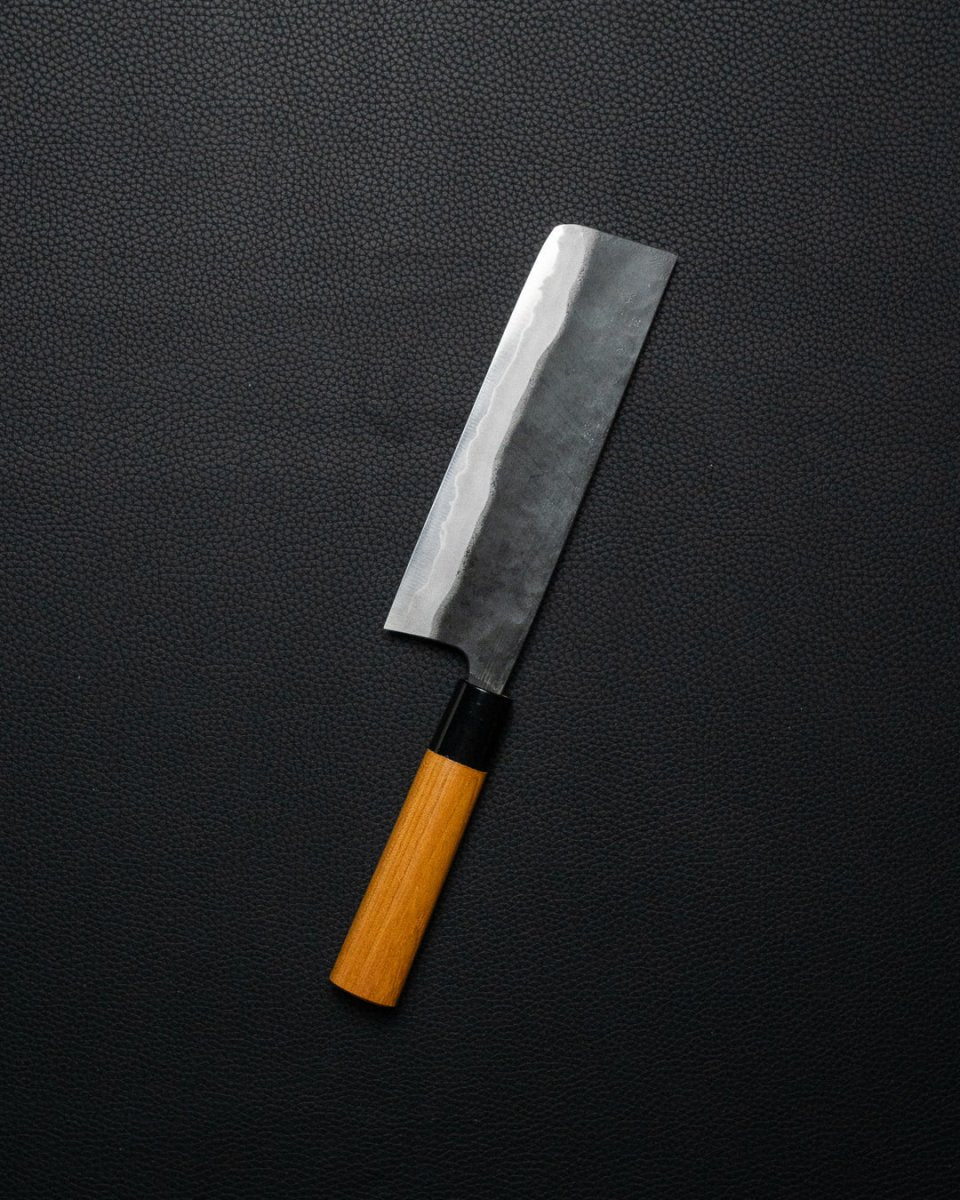

Nakiri 165 mm, KYOHEI AO Kuro Keyaki Nakiri
For those who cut a lot of vegetables: cabbage, onion and root vegetables.
Carbon steel: dry it right after use.
You have another variant of this item in your wishlist.
Goes with the knife
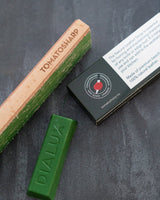
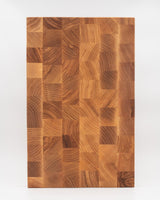
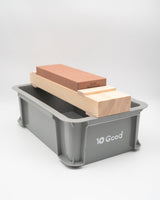
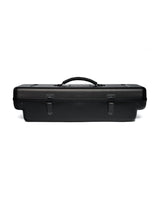
Choose options
You have another variant of this item in your wishlist.
Description
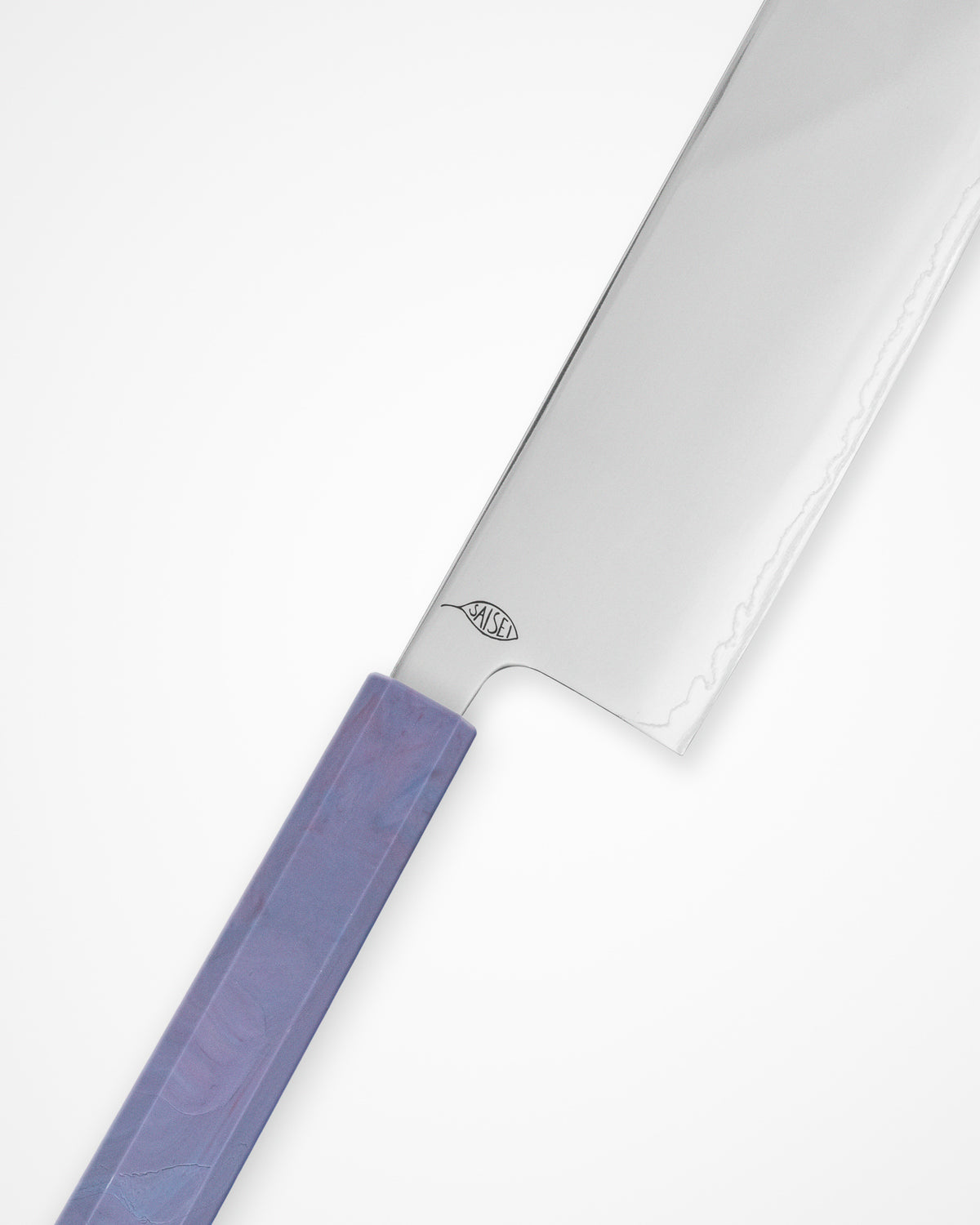
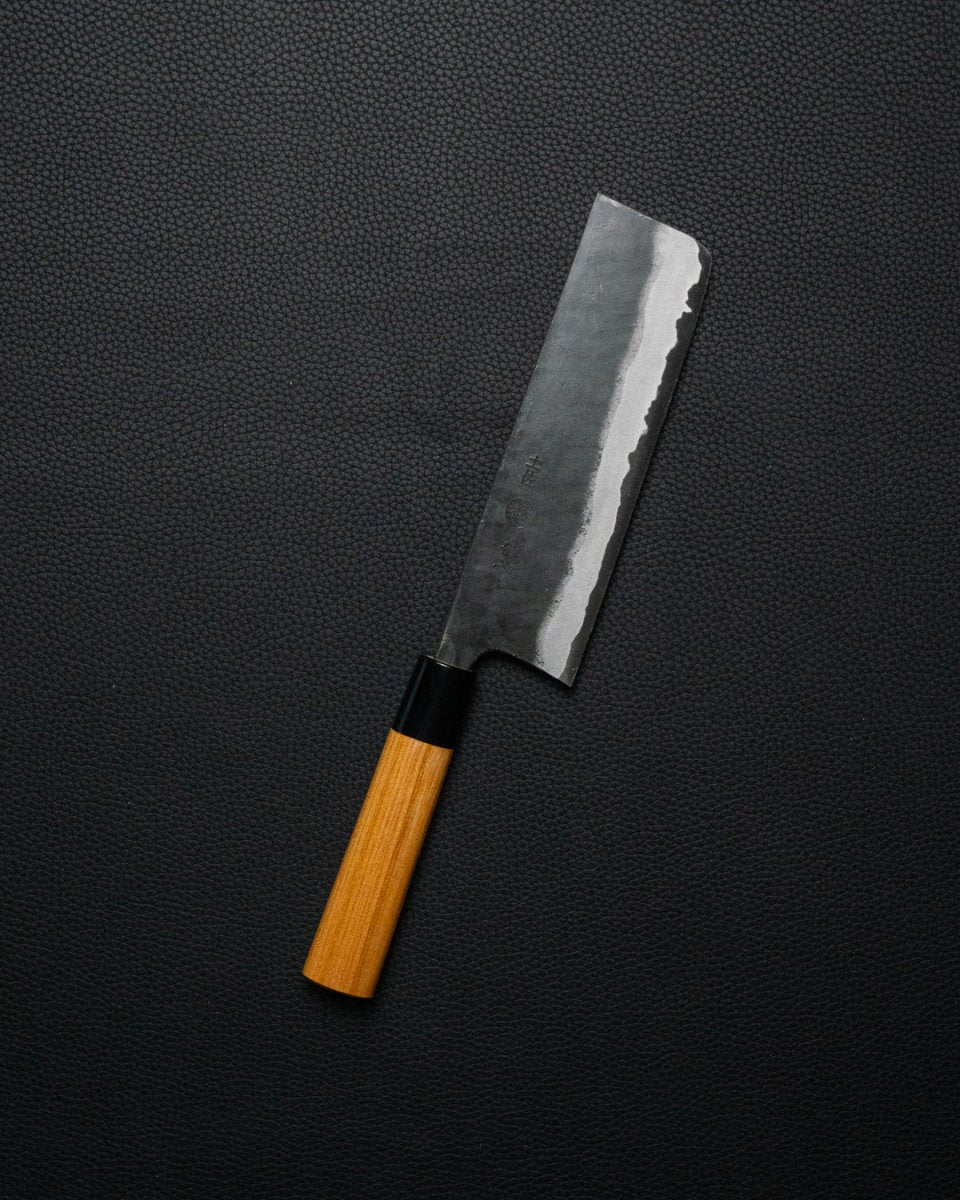
Nakiri (vegetable knife) of 165 mm from Kyohei, a young smith in Tosa. The blade is straight and wide, with no tip, and suits anyone who cuts a lot of vegetables: cabbage, onion and root vegetables.
The core is Aogami 2 (Blue #2), a carbon steel, with iron cladding and kurouchi, the dark forge skin. The handle is Japanese (wa) in keyaki, Japanese elm. The edge is sharpened 50/50.
A nakiri is not made for bones or frozen food. Dry the blade straight after use, as the iron can rust. We sharpen it in the workshop when it needs it.
Kyohei · Tosa, Kochi
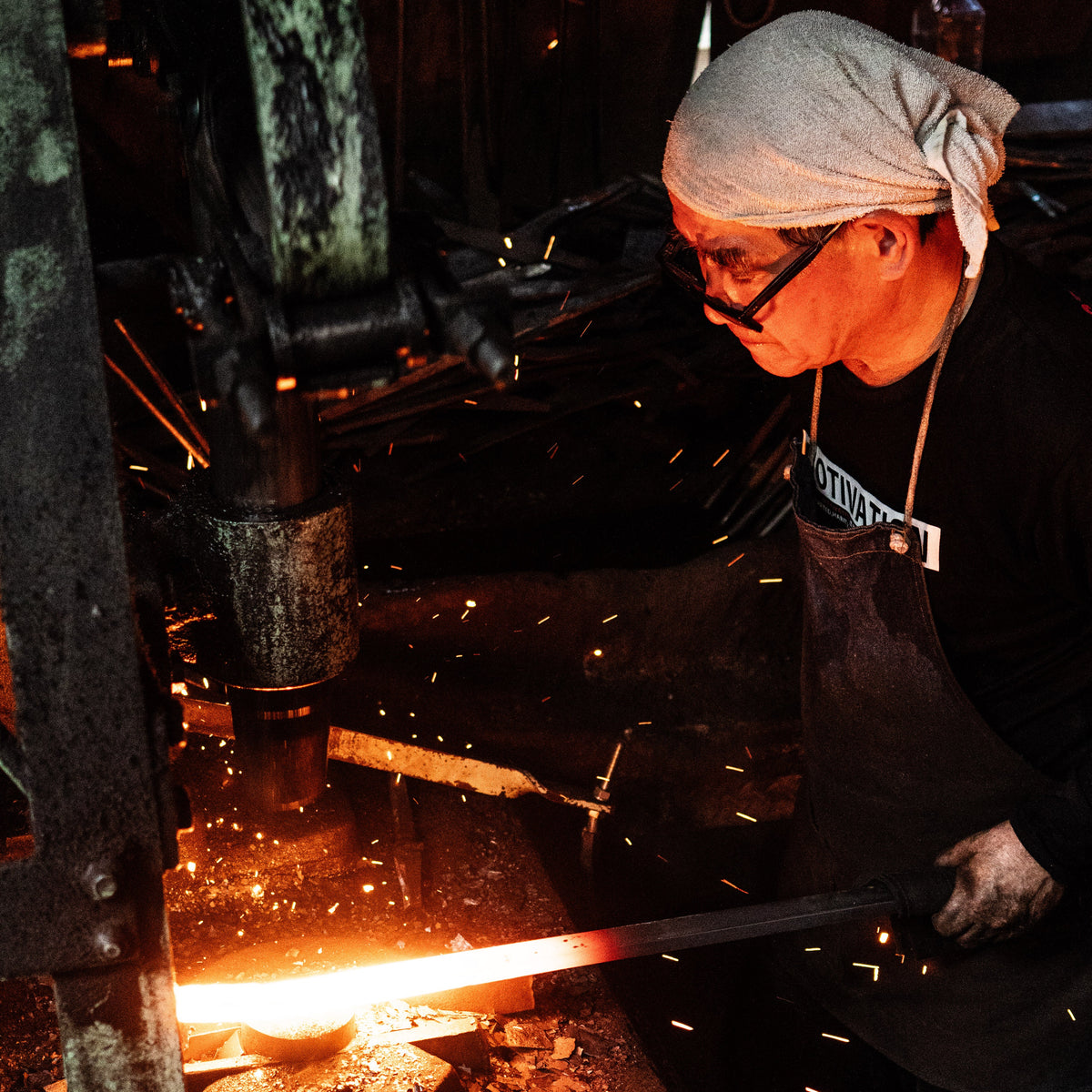
Kyohei-san is a young knife smith from Tosa who works with Aogami #2 steel and a traditional kurouchi finish.
All knives from KyoheiSpecifications
- Knife type
- Nakiri (vegetable knife)
- Region
- Tosa, Kōchi
- Hardness
- 62-63 HRC
- Blade length
- 165 mm
- Handle
- Keyaki
- Edge
- 50/50
- Right-/left-handed
- Both
- Item number (SKU)
- KYO-AO-165N
About the knife type: Nakiri (vegetable knife)
A nakiri is a vegetable knife with a short, straight, wide blade and no tip. It gives fine, even cuts when you chop, slice and julienne.
A nakiri is not a cleaver. Do not chop through bone or frozen food.
About the steel: Blue #2 (Aogami #2)
Care and maintenance
Carbon steel: rinse and dry the knife right after use. A little dark patina is normal and protects the steel.
Never the dishwasher. Use a cutting board of wood or plastic, not glass or stone.
Similar knives