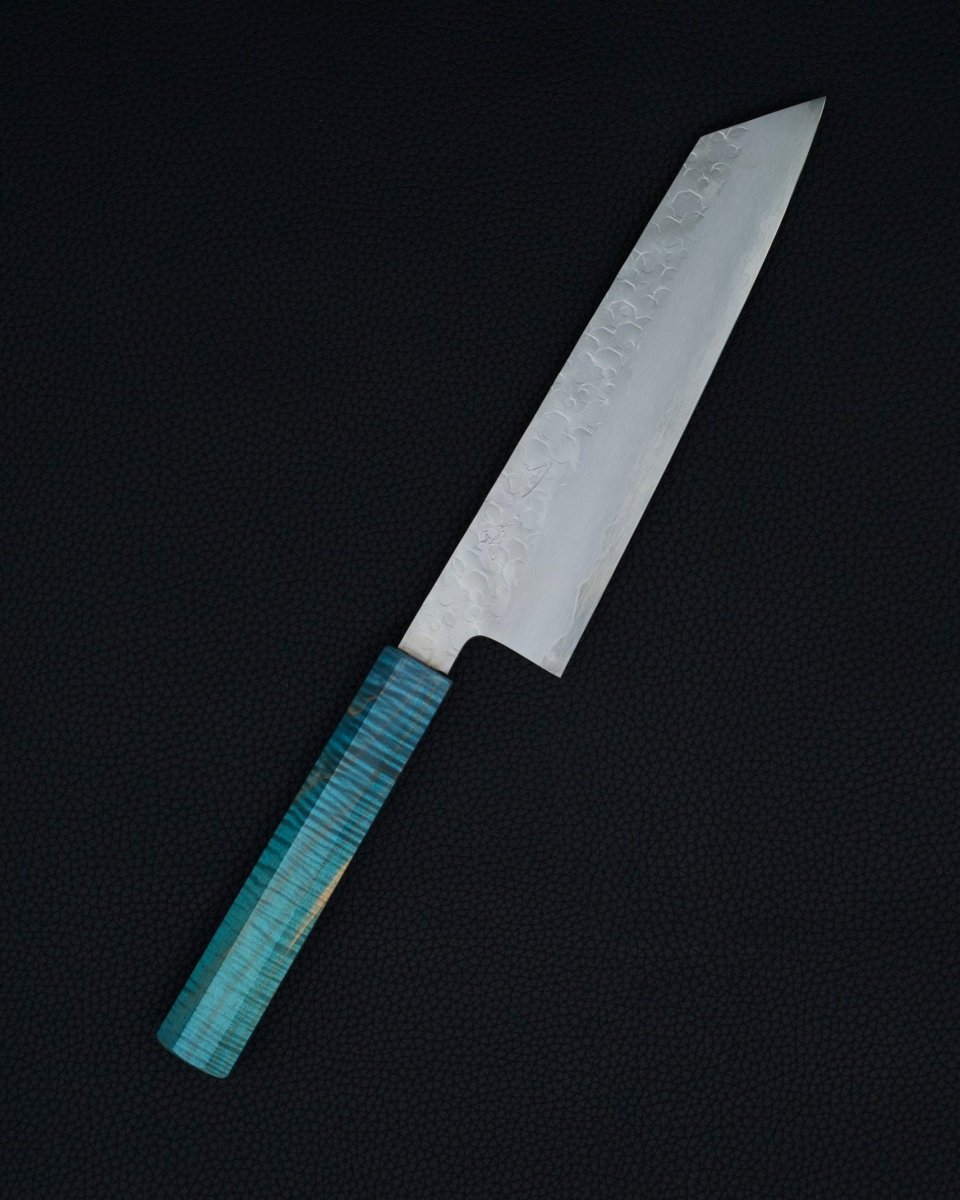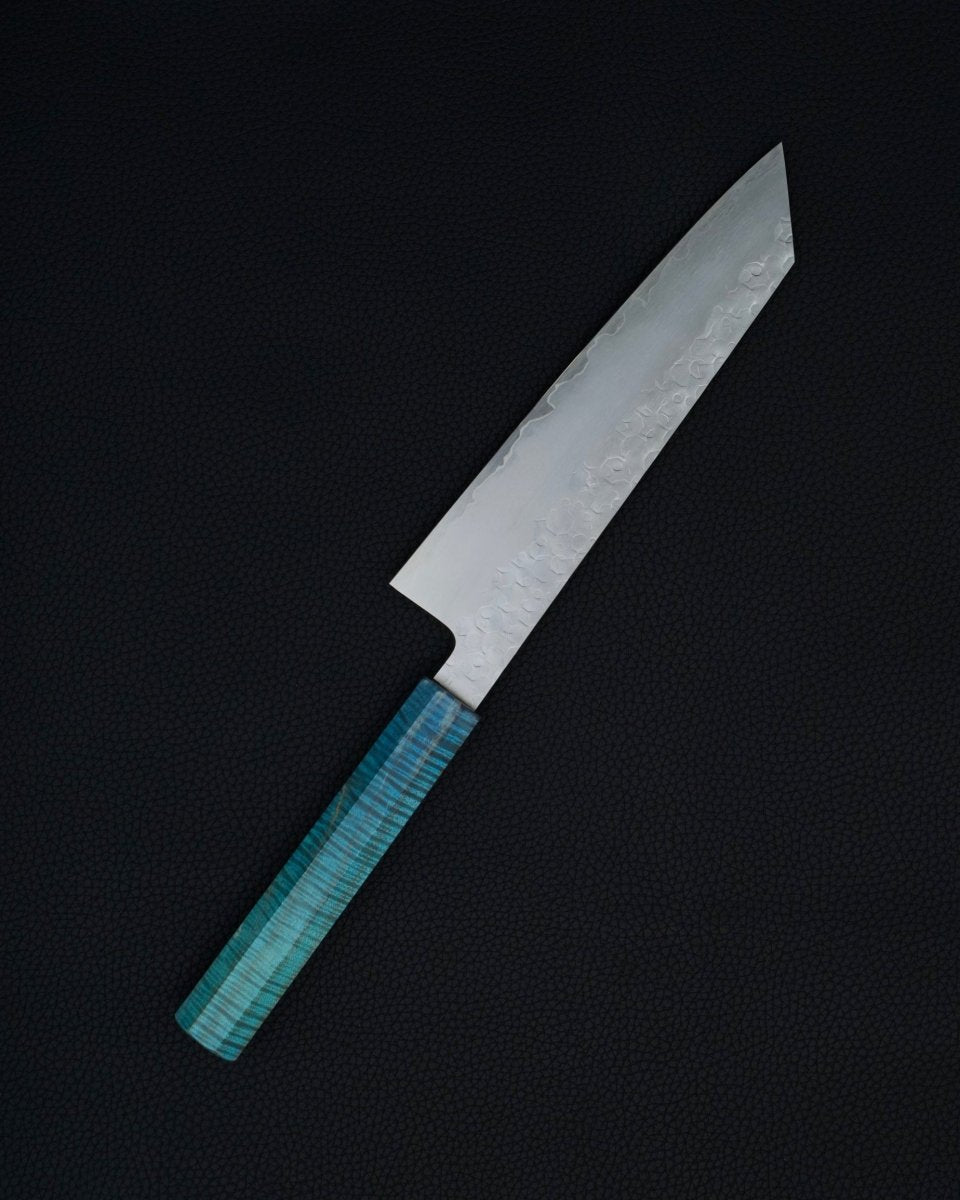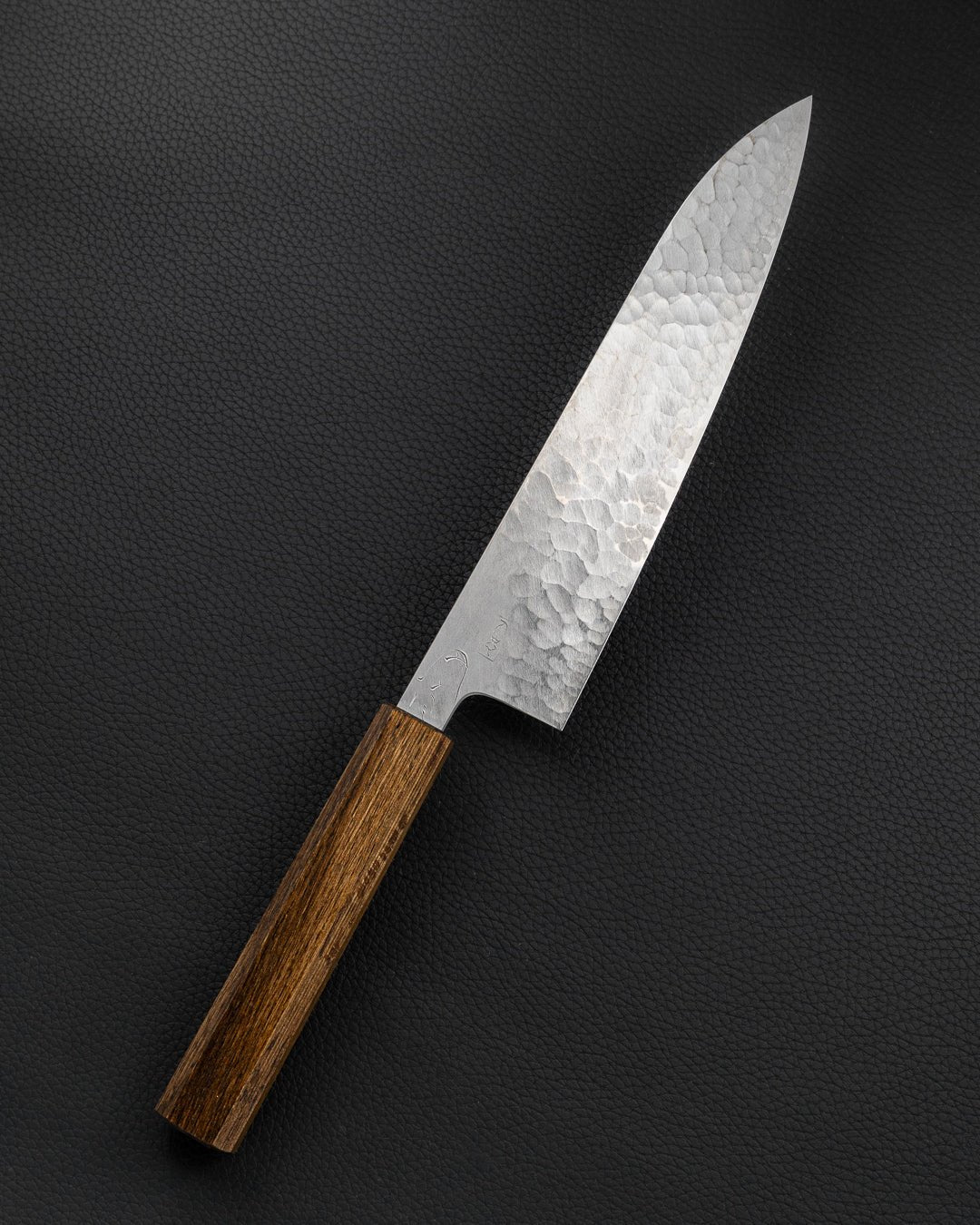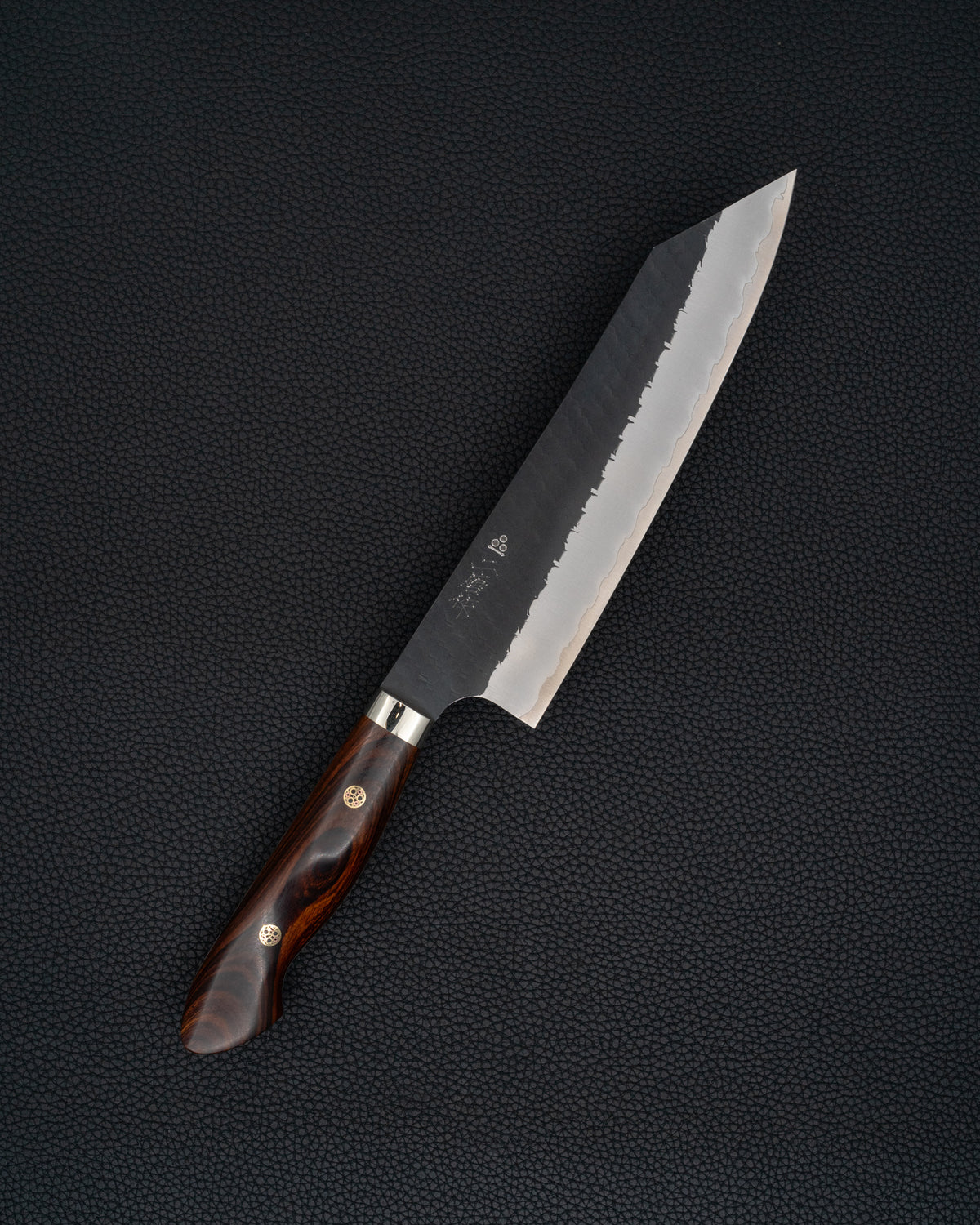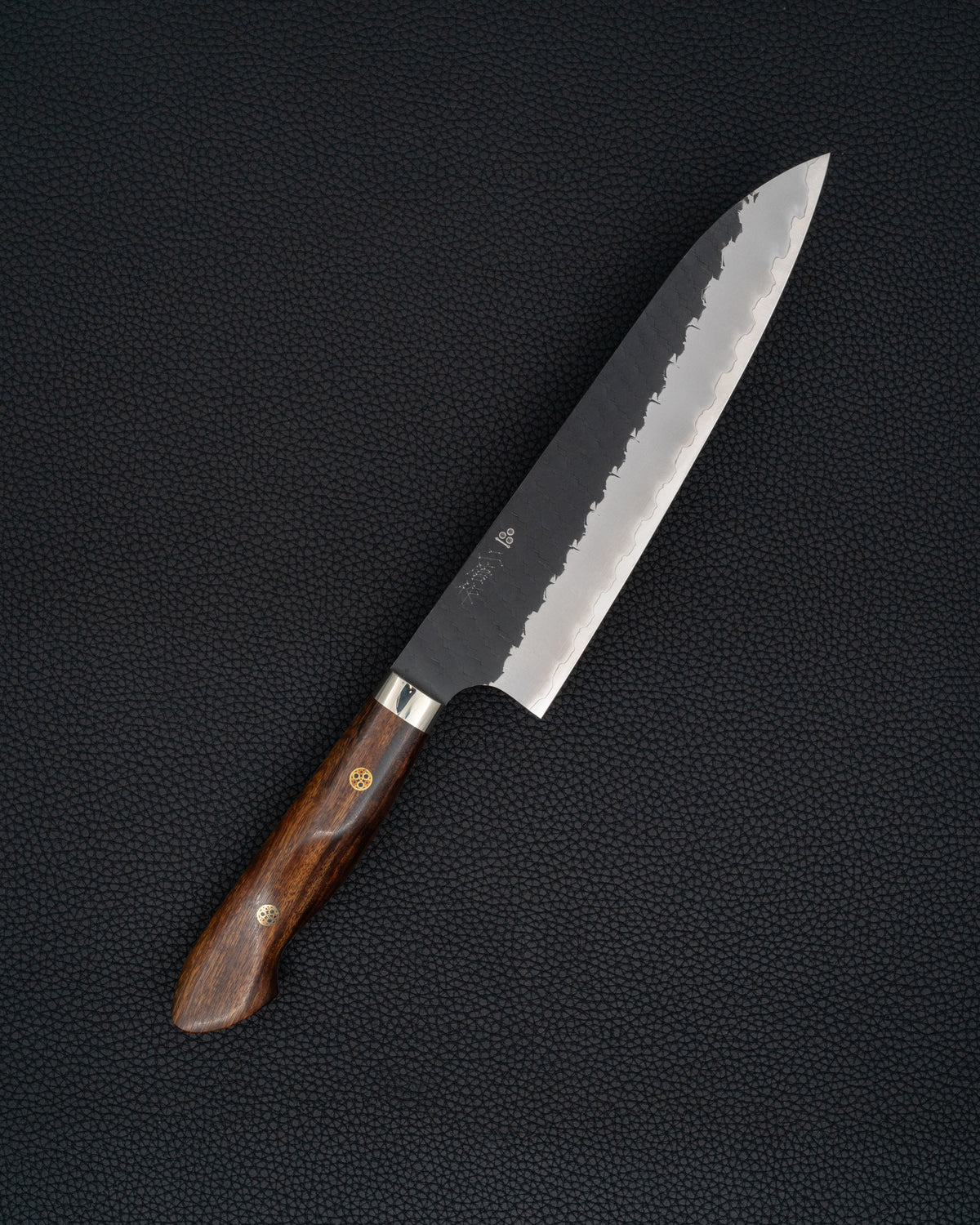

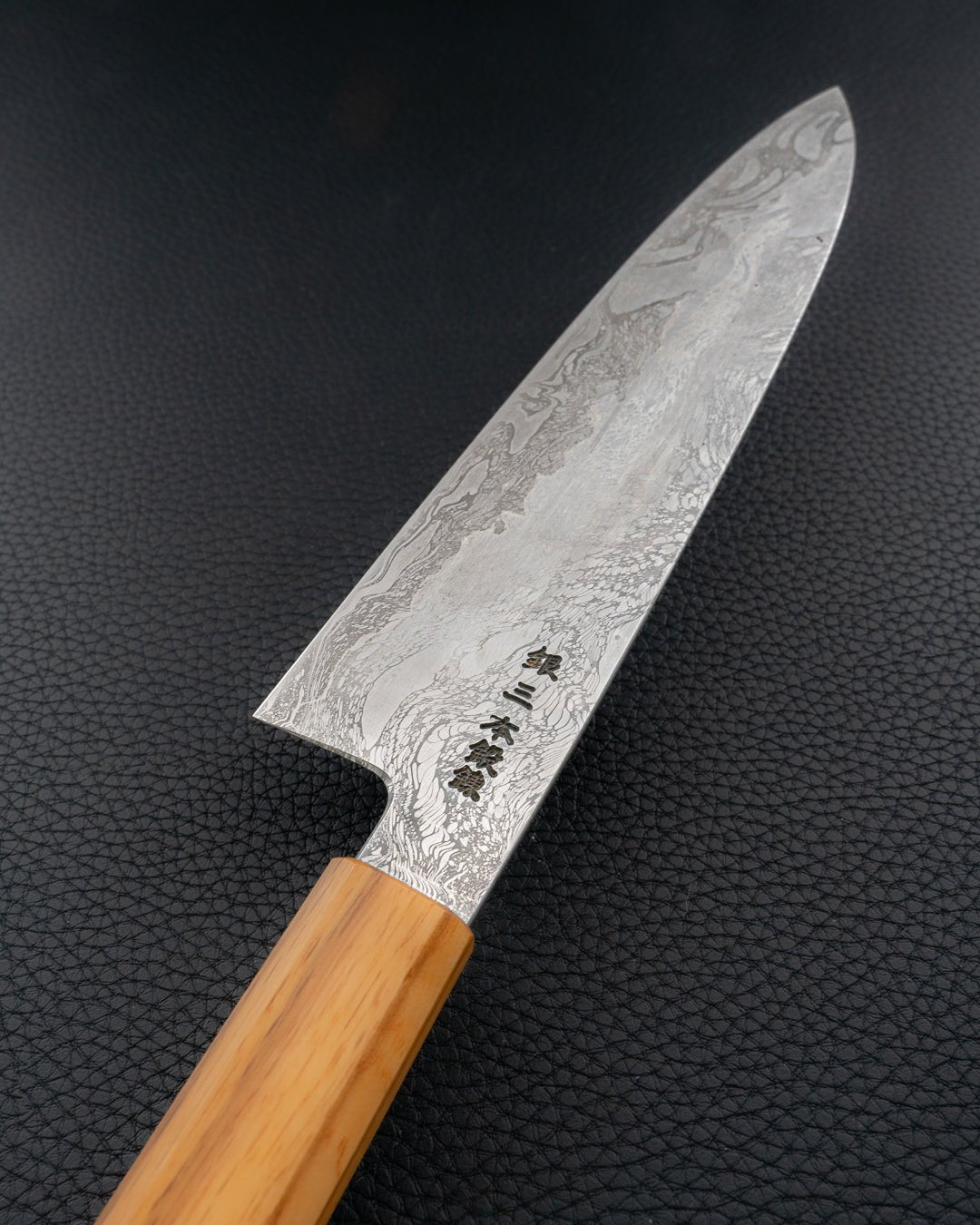

ENJIKI Migawa Ginsan Gyuto 210 mm
For those who want one knife for most things: meat, fish and vegetables.
You have another variant of this item in your wishlist.
Goes with the knife
Choose options
You have another variant of this item in your wishlist.
Description
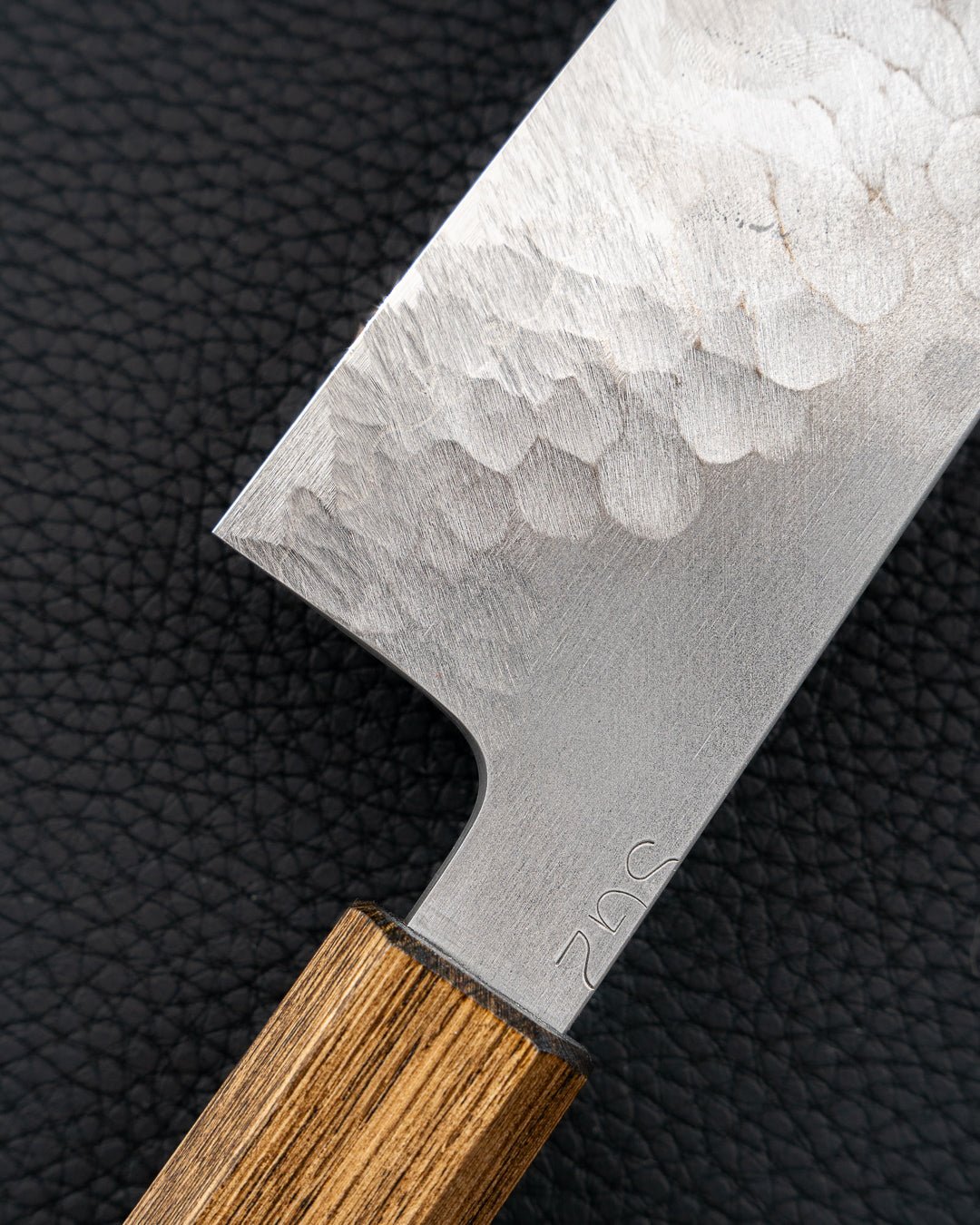
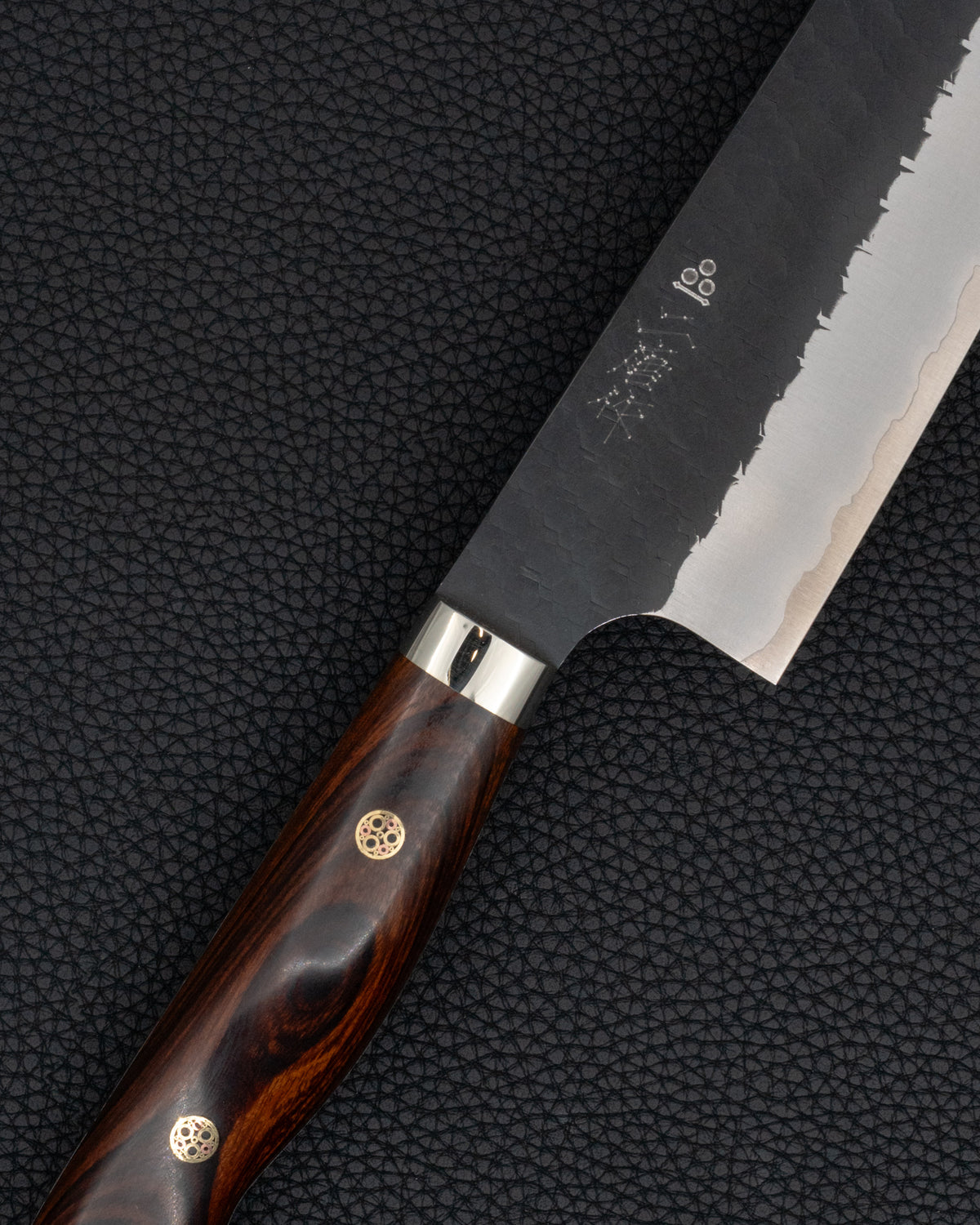
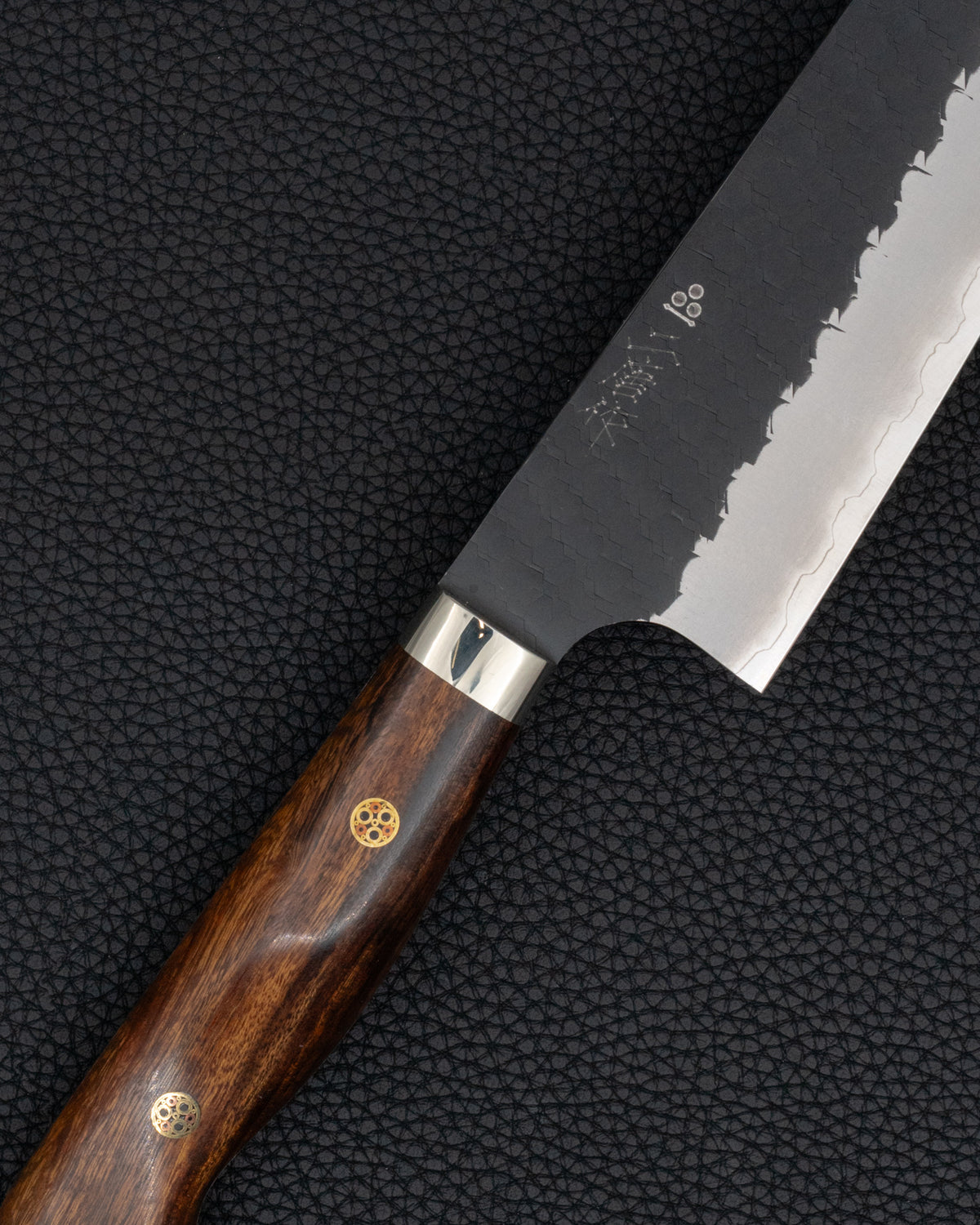
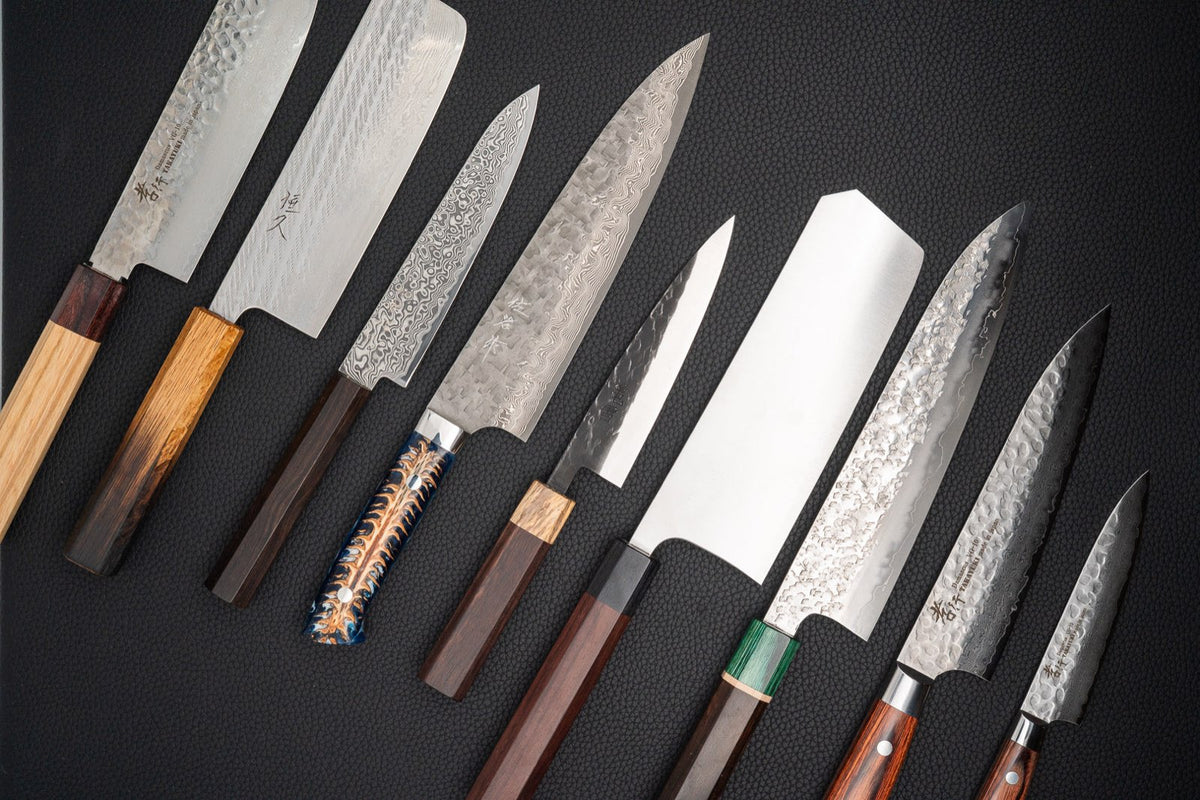
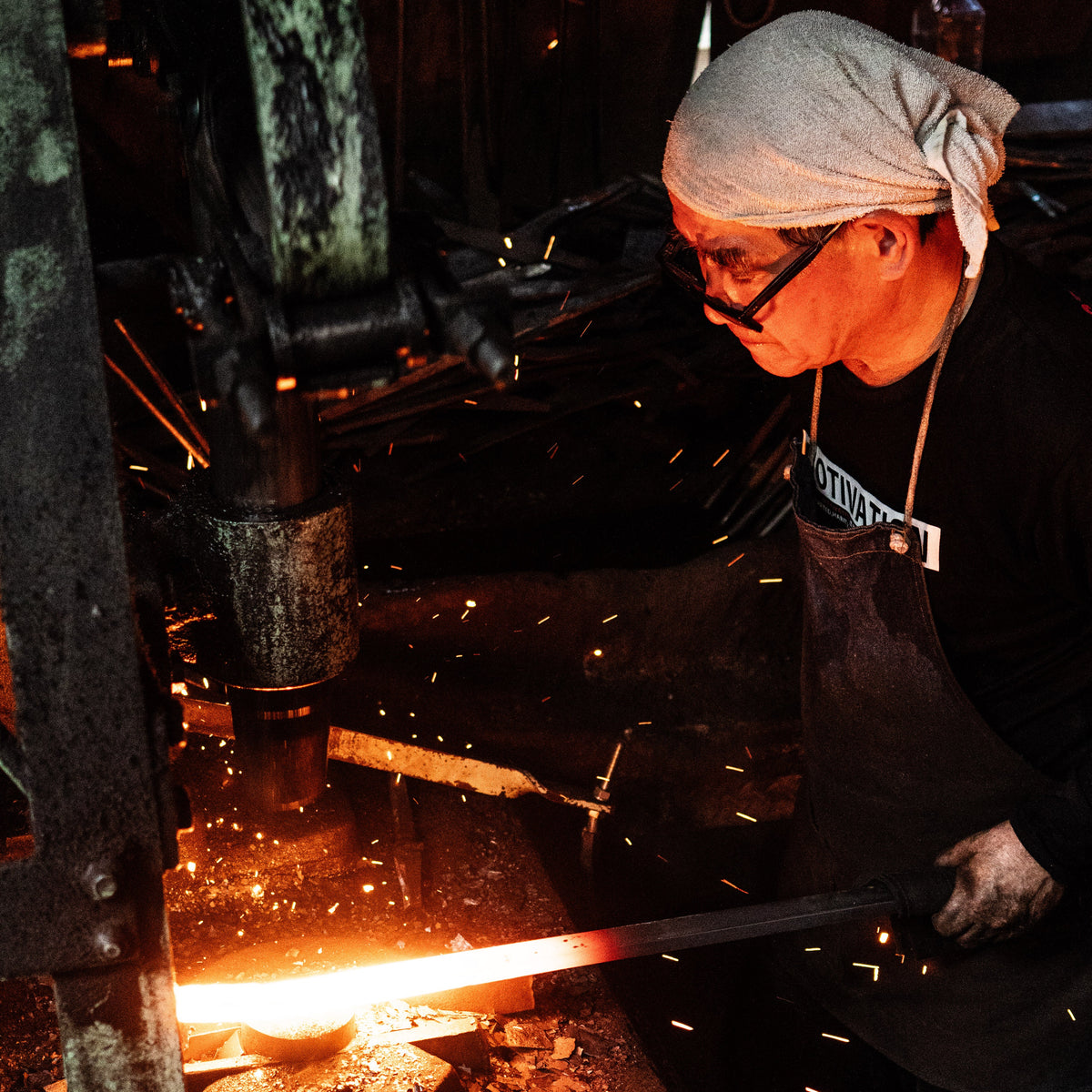
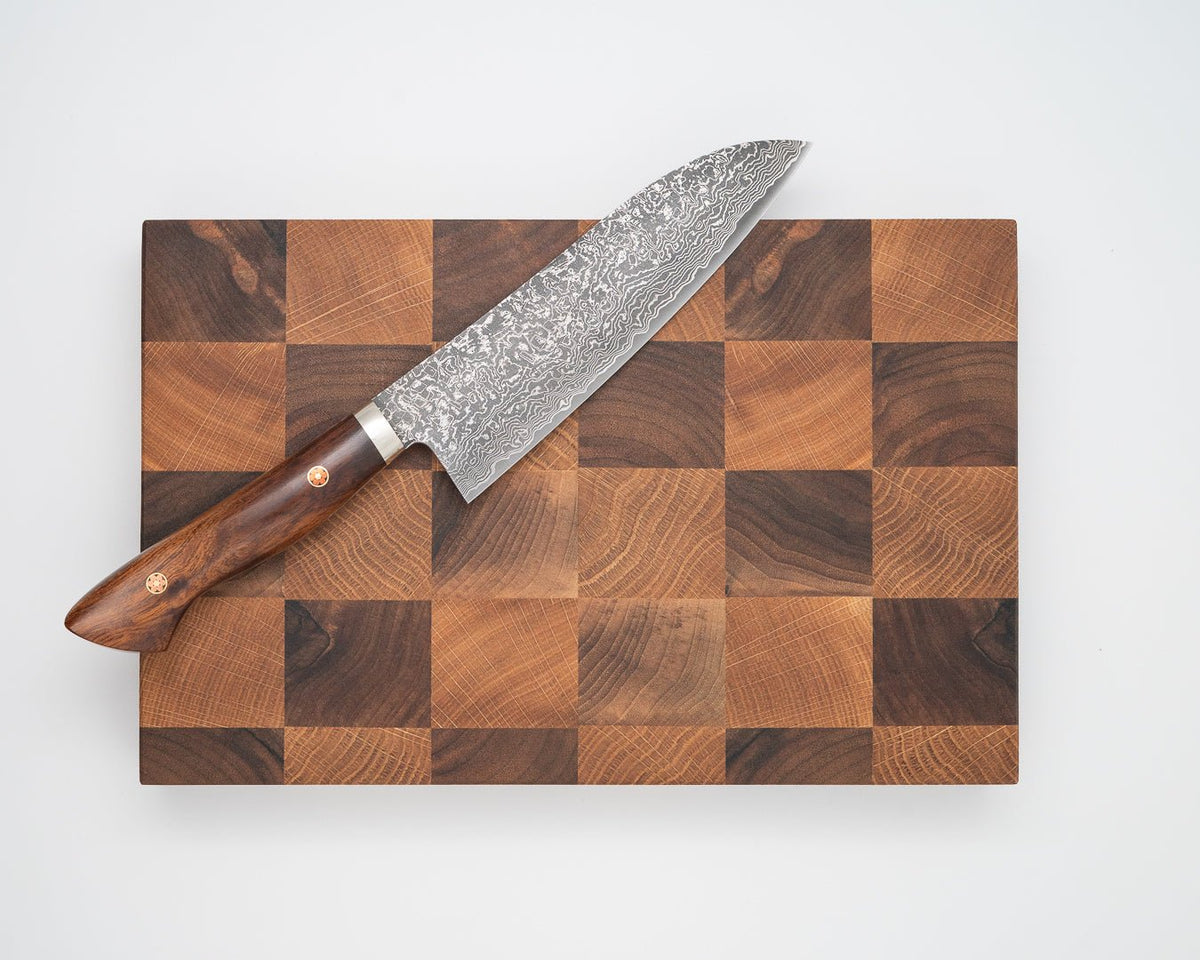
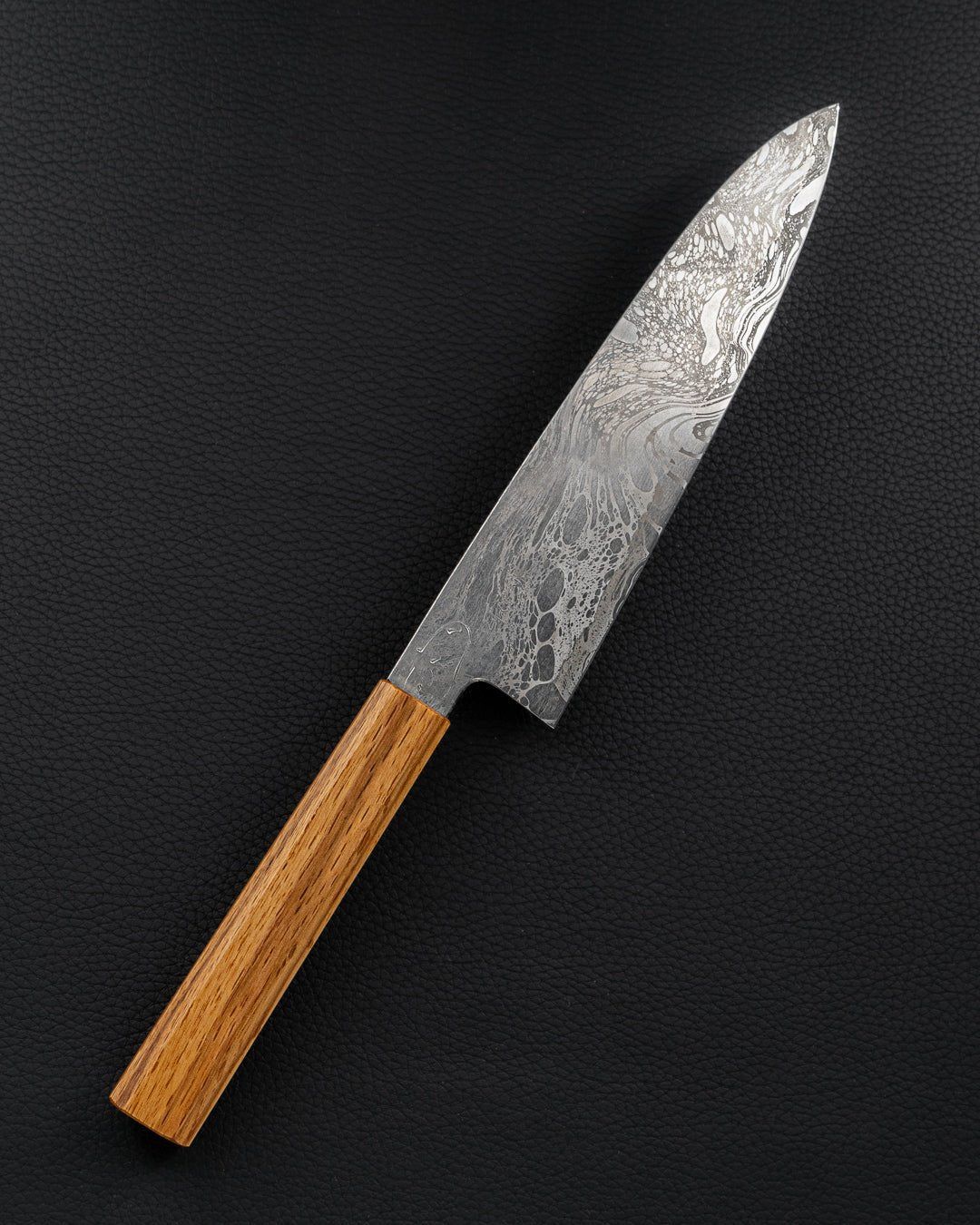
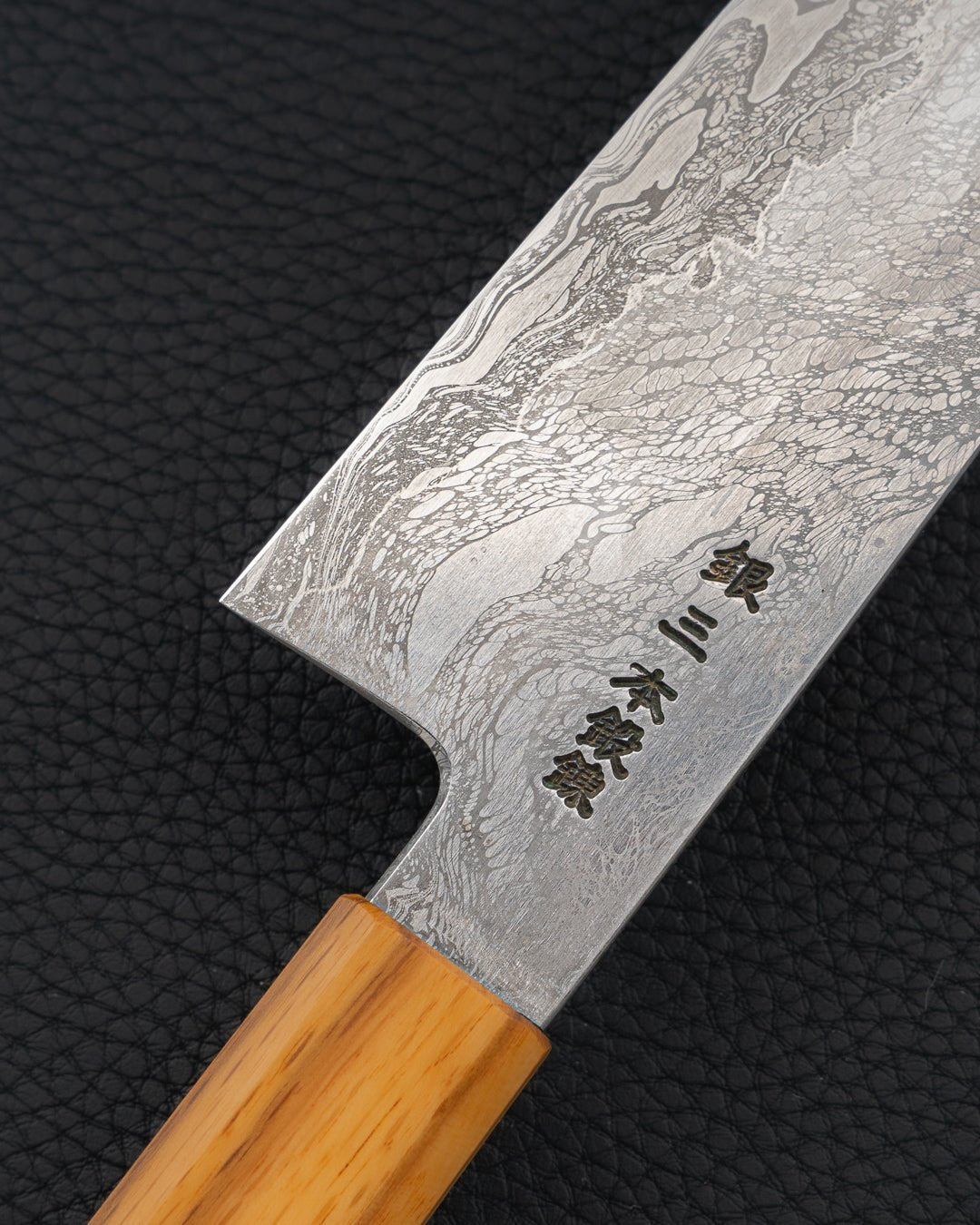
The Migawa series from Tadataka Maruyama (Enjiki Knives) is a series of fine knives forged in Ginsan by Shogo Yamatsuka in Sakai. The knives are then etched one by one to bring out a pattern in the blade that differs from knife to knife.
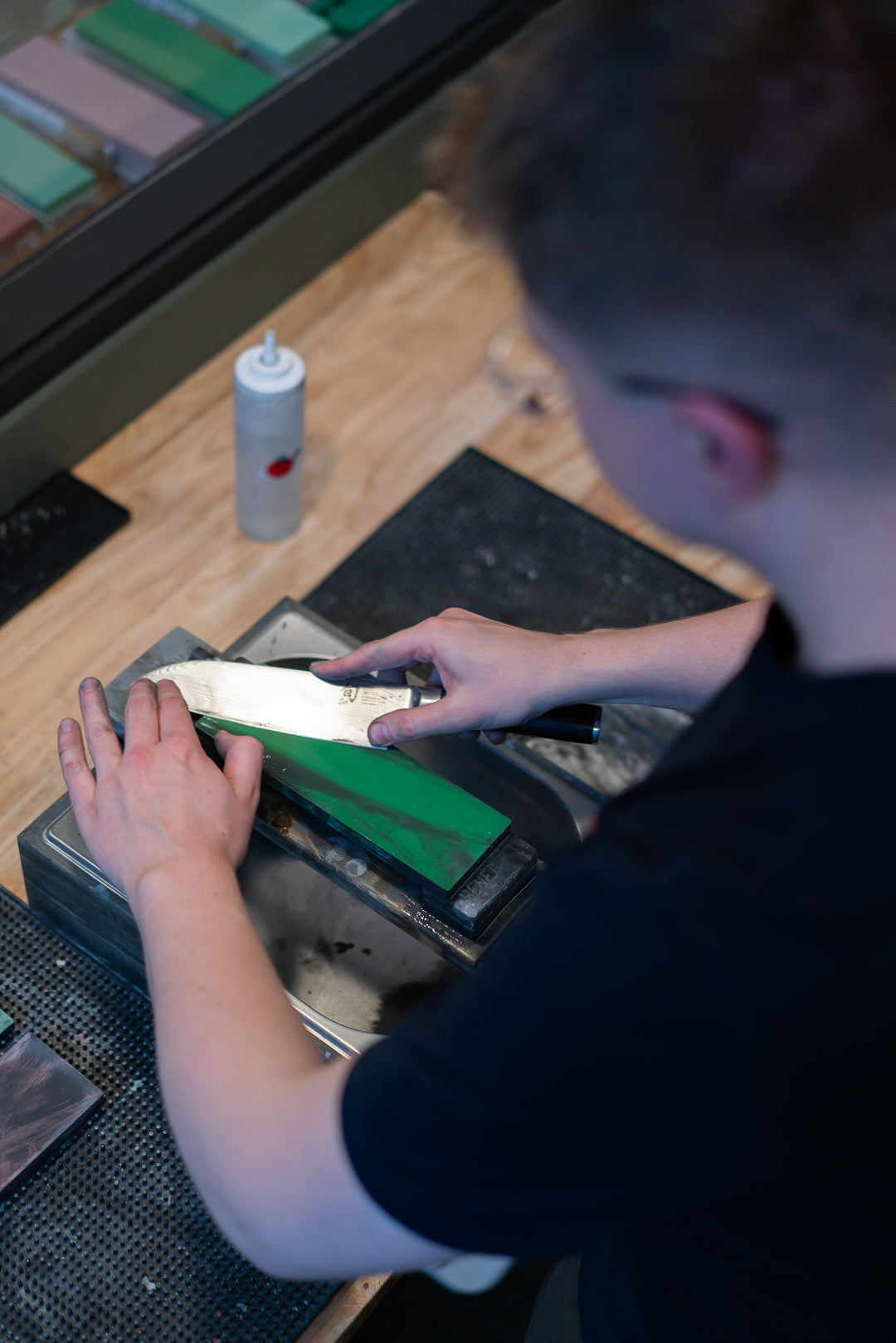
A very good convex grind on this blade, which Maruyama is known for from his days as head sharpener at HADO.
A one-off knife we travelled to Nara, Japan, to collect in person.
Enjiki · Nara, Japan

Enjiki is the workshop of Tadataka Maruyama in Nara, formerly head sharpener at HADO. After an apprenticeship in Sakai and twelve years at Fukui Co. he set up on his own in 2025.
All knives from EnjikiSpecifications
- Knife type
- Gyuto (chef's knife)
- Region
- Nara, Japan
- Blade length
- 210 mm
- Handle
- Japanese oak handle
- Edge
- 50/50
- Right-/left-handed
- Both
- Item number (SKU)
- ENJIKI-MISAKI-G3-210G
- Weight
- 147 g
About the knife type: Gyuto (chef's knife)
A gyuto is a Japanese chef's knife for all everyday kitchen work. It is similar to a Western chef's knife, but is often lighter with a thinner blade.
The profile is long and even with a pointed tip. It slices, chops and minces fish, meat and vegetables. The length lets you slice in a single cut and keep the fibres intact.
About the steel: Ginsan (Silver #3)
Care and maintenance
Wash by hand in warm water, and dry it straight away.
Never the dishwasher. Use a cutting board of wood or plastic, not glass or stone.
Similar knives