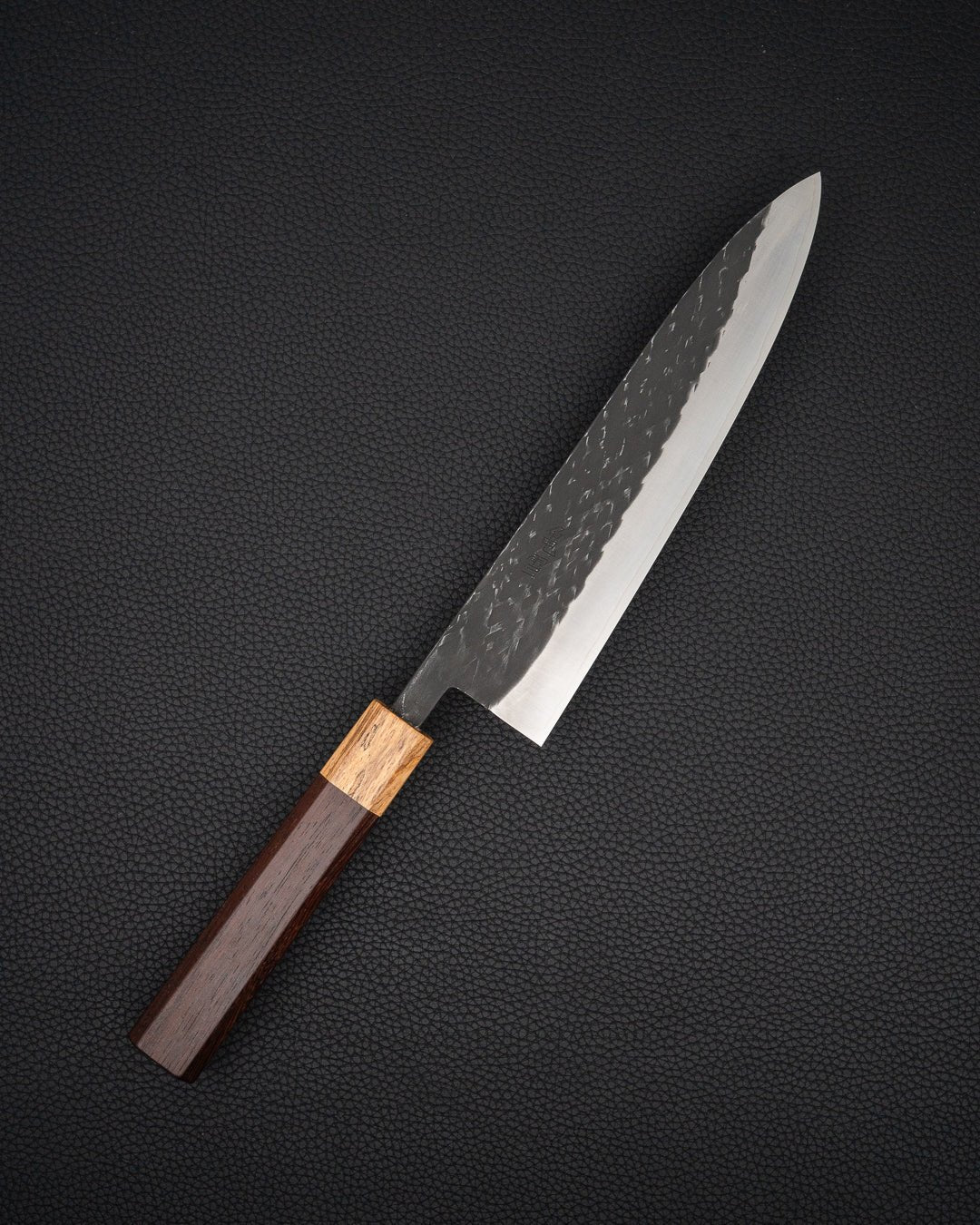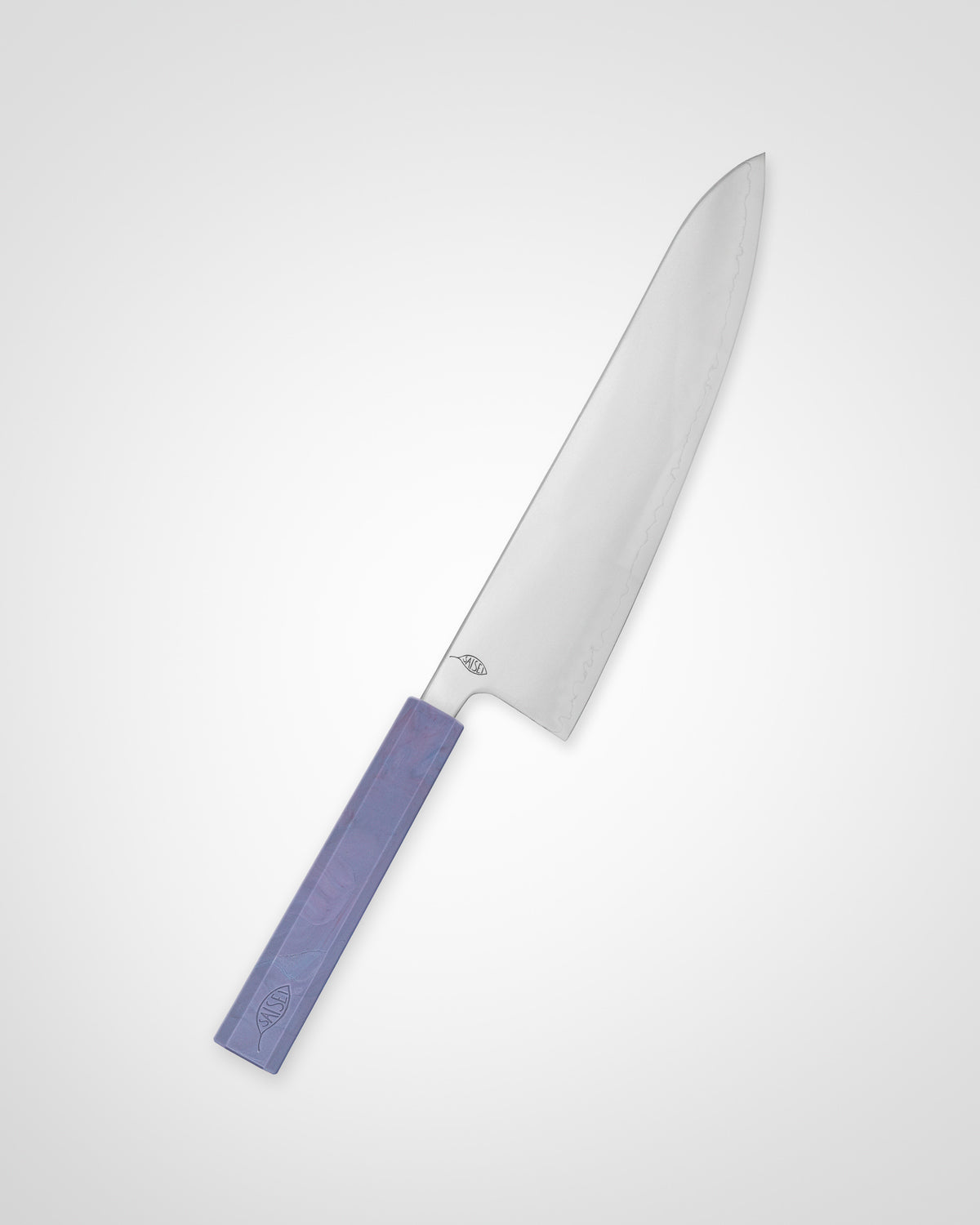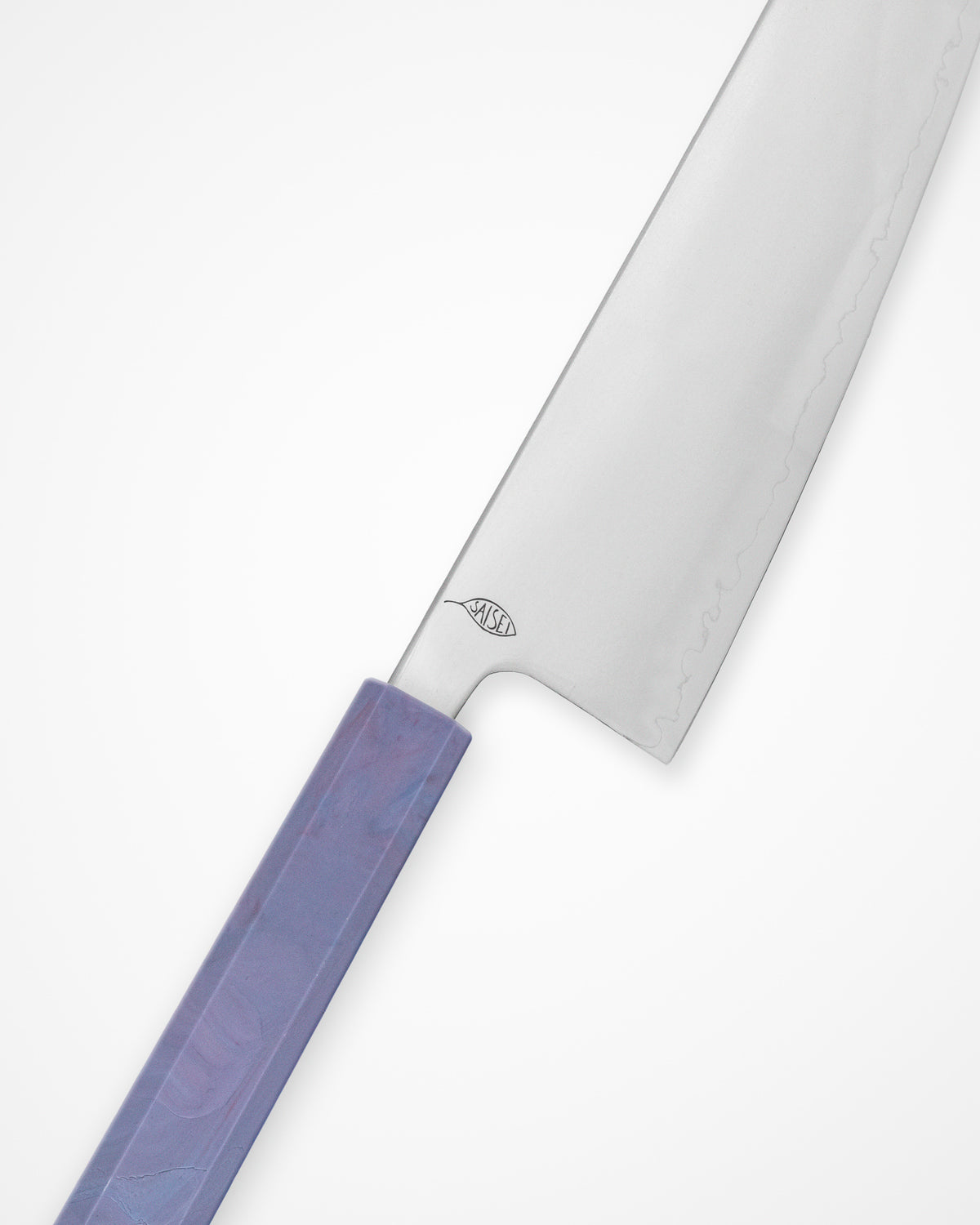

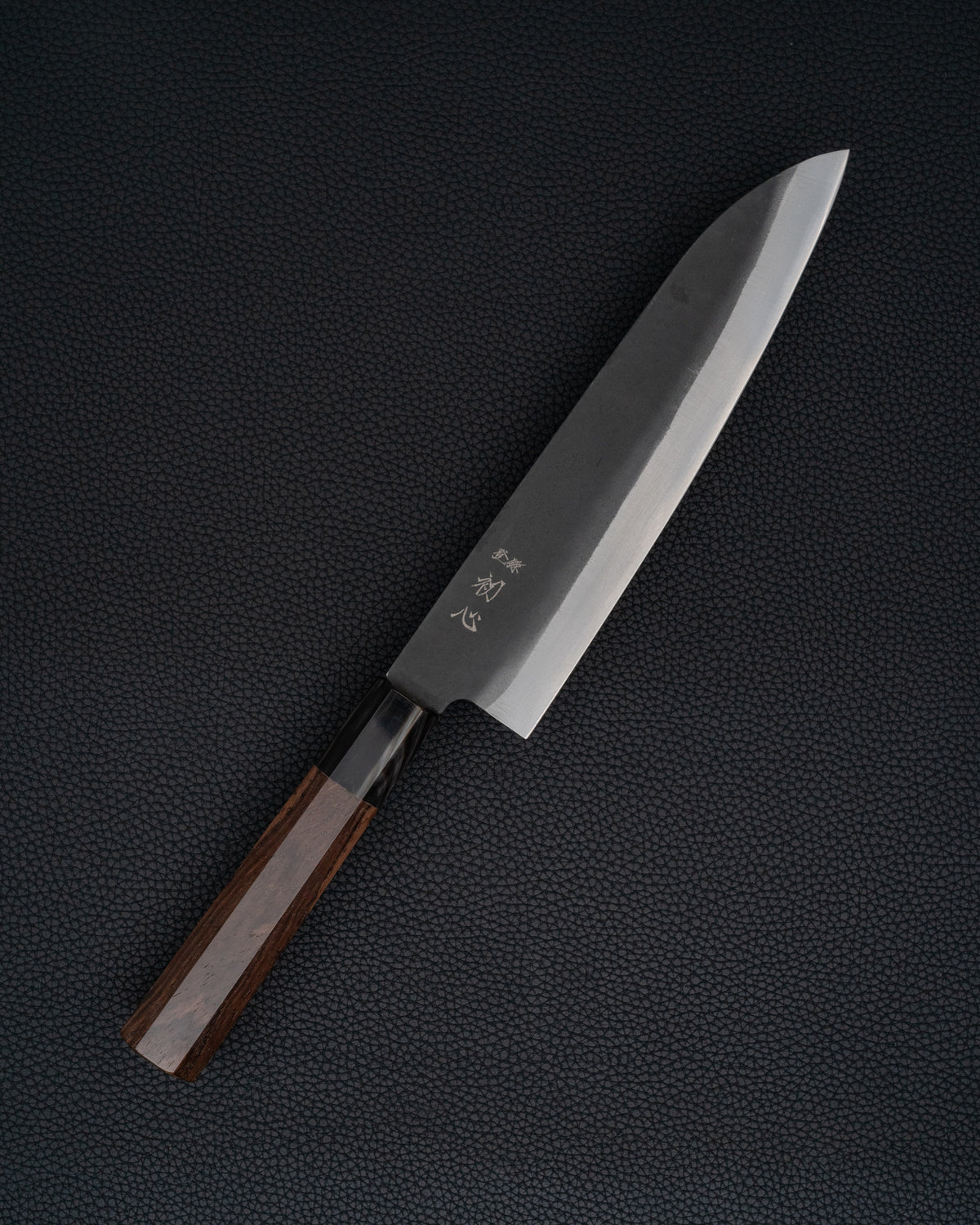
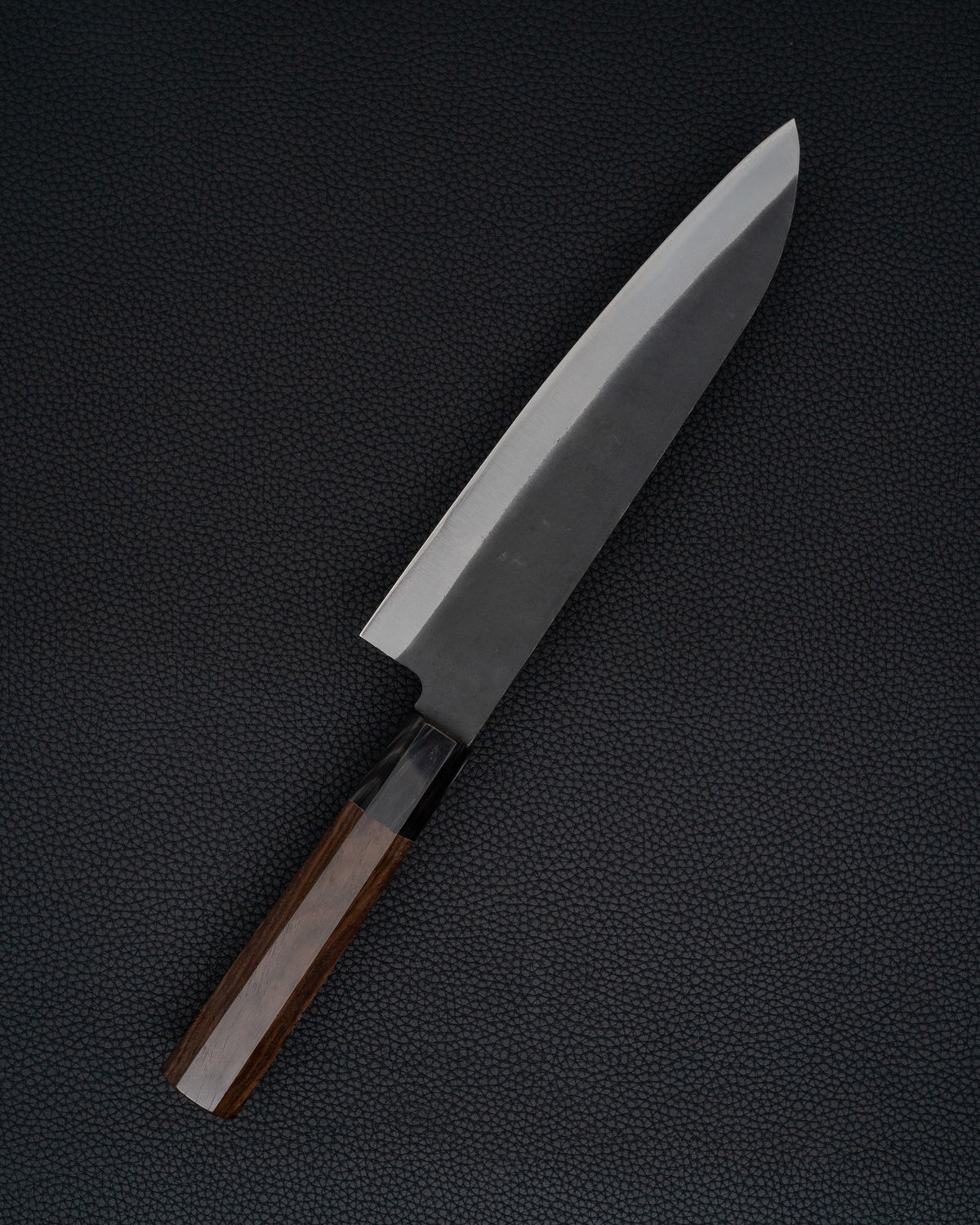
Gyuto 220 mm, HATSUKOKORO Aokitae Blue2 Kurouchi Gyuto
For those who want one knife for most things: meat, fish and vegetables.
You have another variant of this item in your wishlist.
- Delivery in 1–3 working days in Norway
- Free delivery in Norway over 2 500,-
- 30-day returns
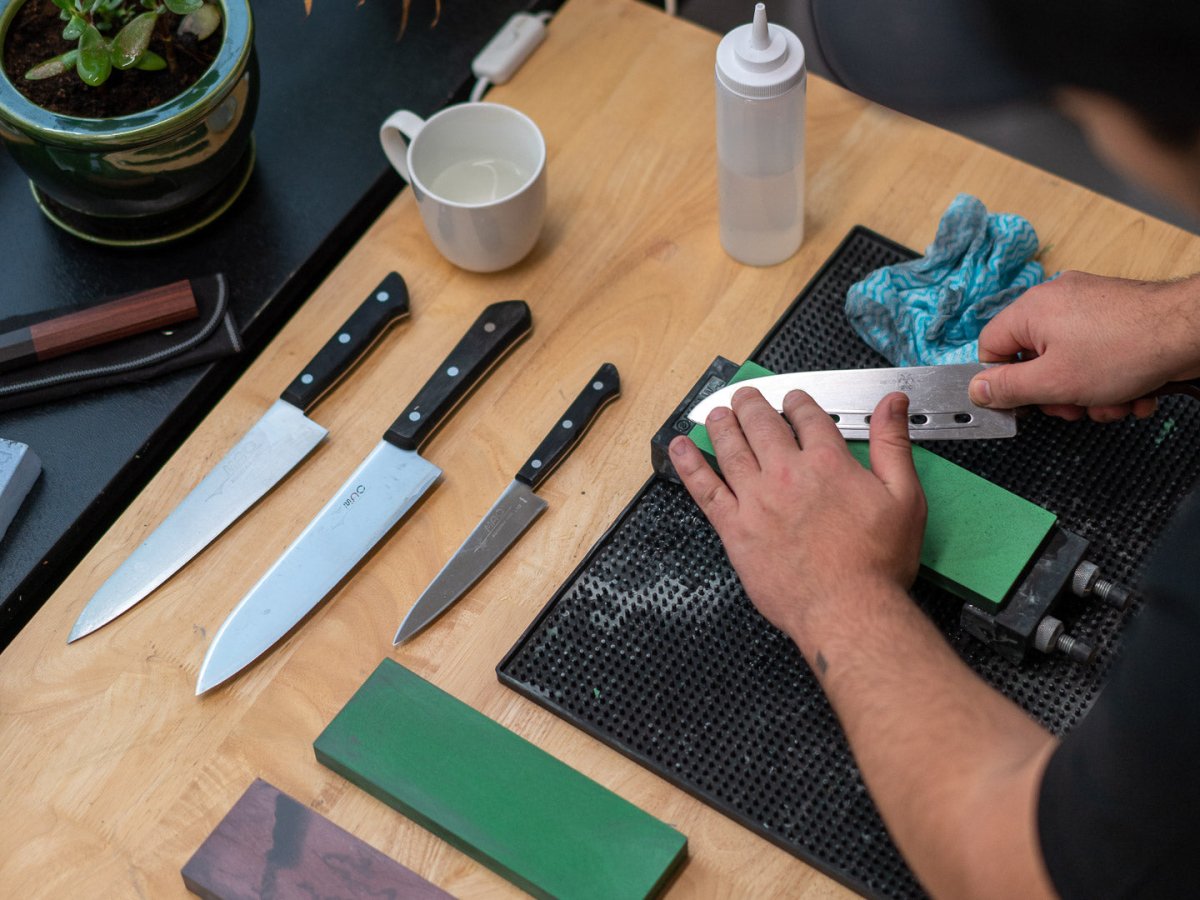
- Specialist shop with its own sharpening workshop
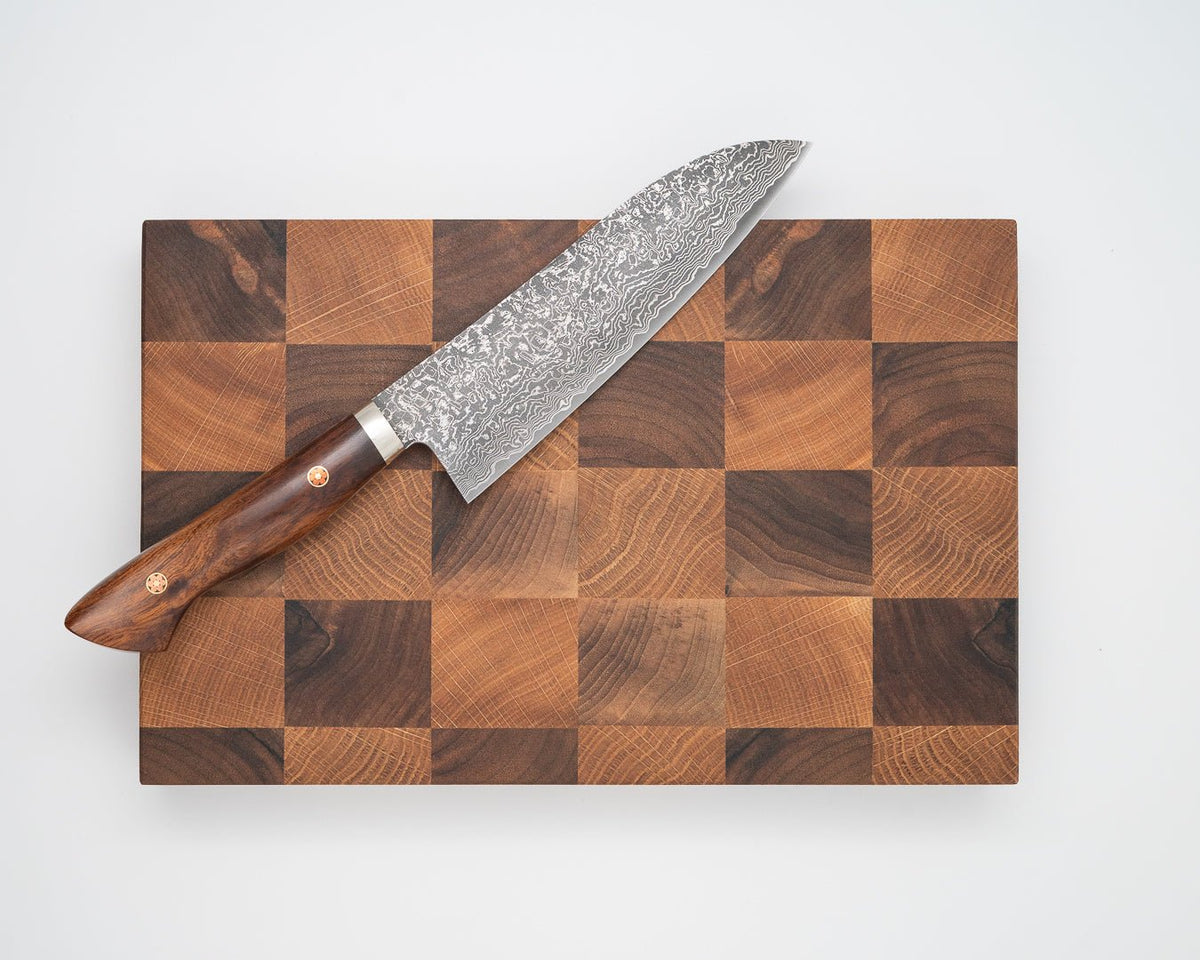
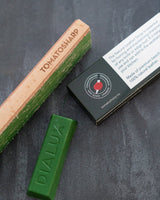
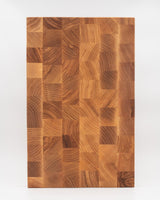
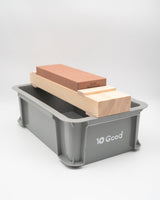
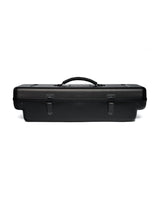
Goes with the knife
Choose options
You have another variant of this item in your wishlist.
Description
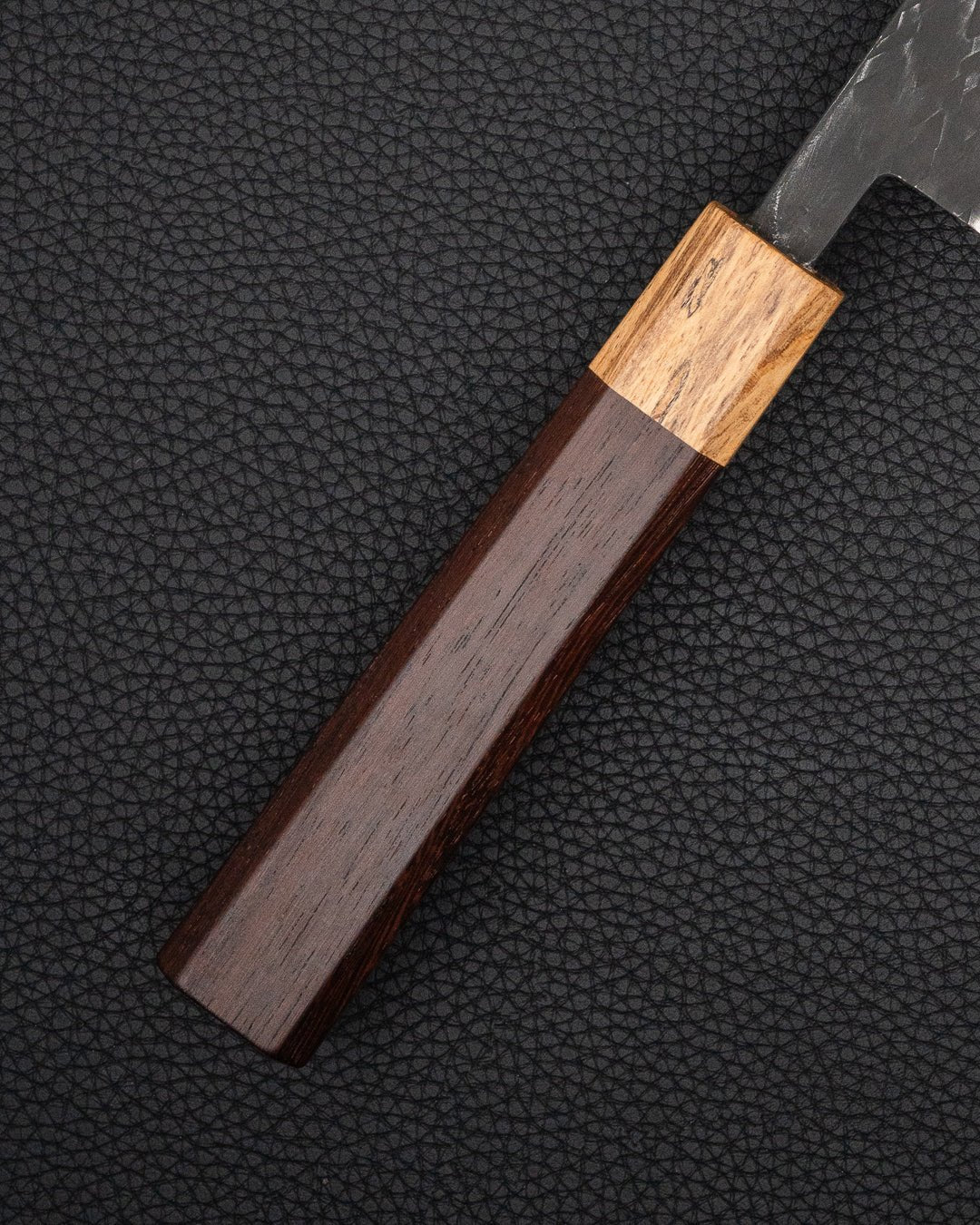
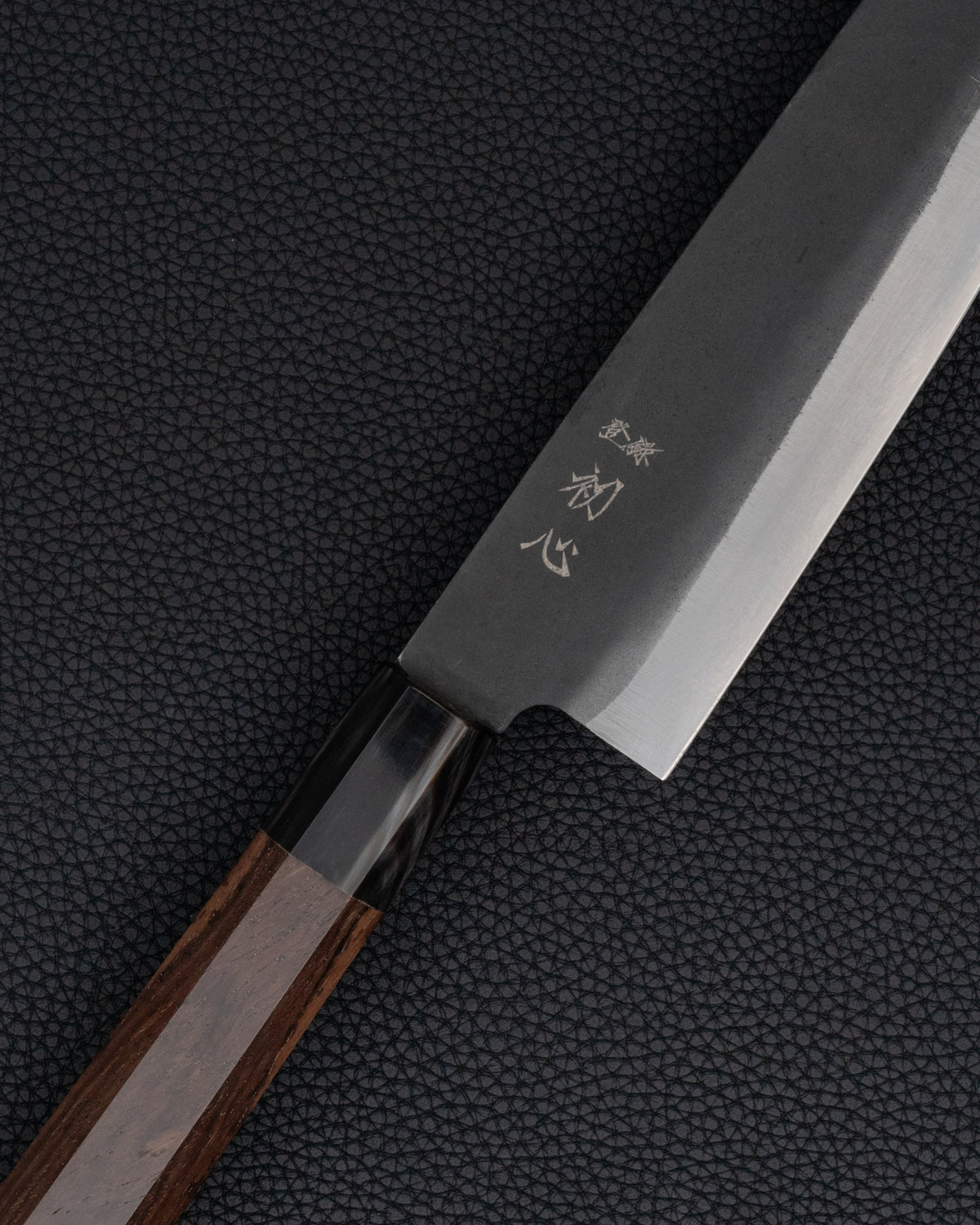
The Aokitae series from Hatsukokoro is forged in Aogami #2 (Blue 2) carbon steel with a rustic kurouchi finish. This 220 mm gyuto is a classic chef's knife, long enough for large ingredients and long cuts, and the walnut handle gives a light, balanced grip. The carbon steel takes a very sharp edge and is easy to sharpen, but should be wiped clean and dry after use.
HATSUKOKORO · Amagasaki
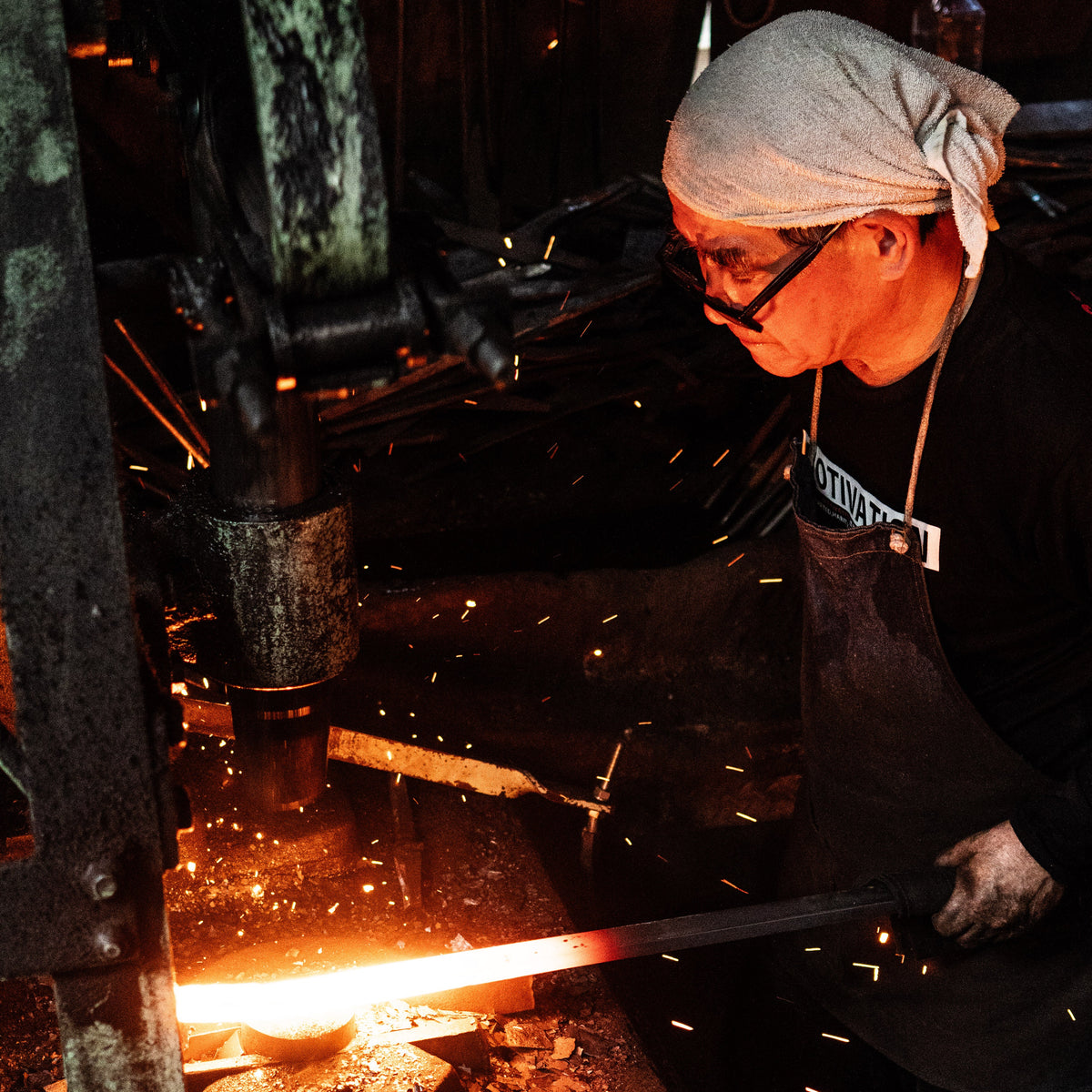
Hatsukokoro was started in Amagasaki near Osaka by a master smith who wanted to gather good knives from all over Japan under one name.
All knives from HATSUKOKOROSpecifications
- Knife type
- Gyuto (chef's knife)
- Region
- Amagasaki
- Blade length
- 220 mm
- Handle
- Walnut
- Edge
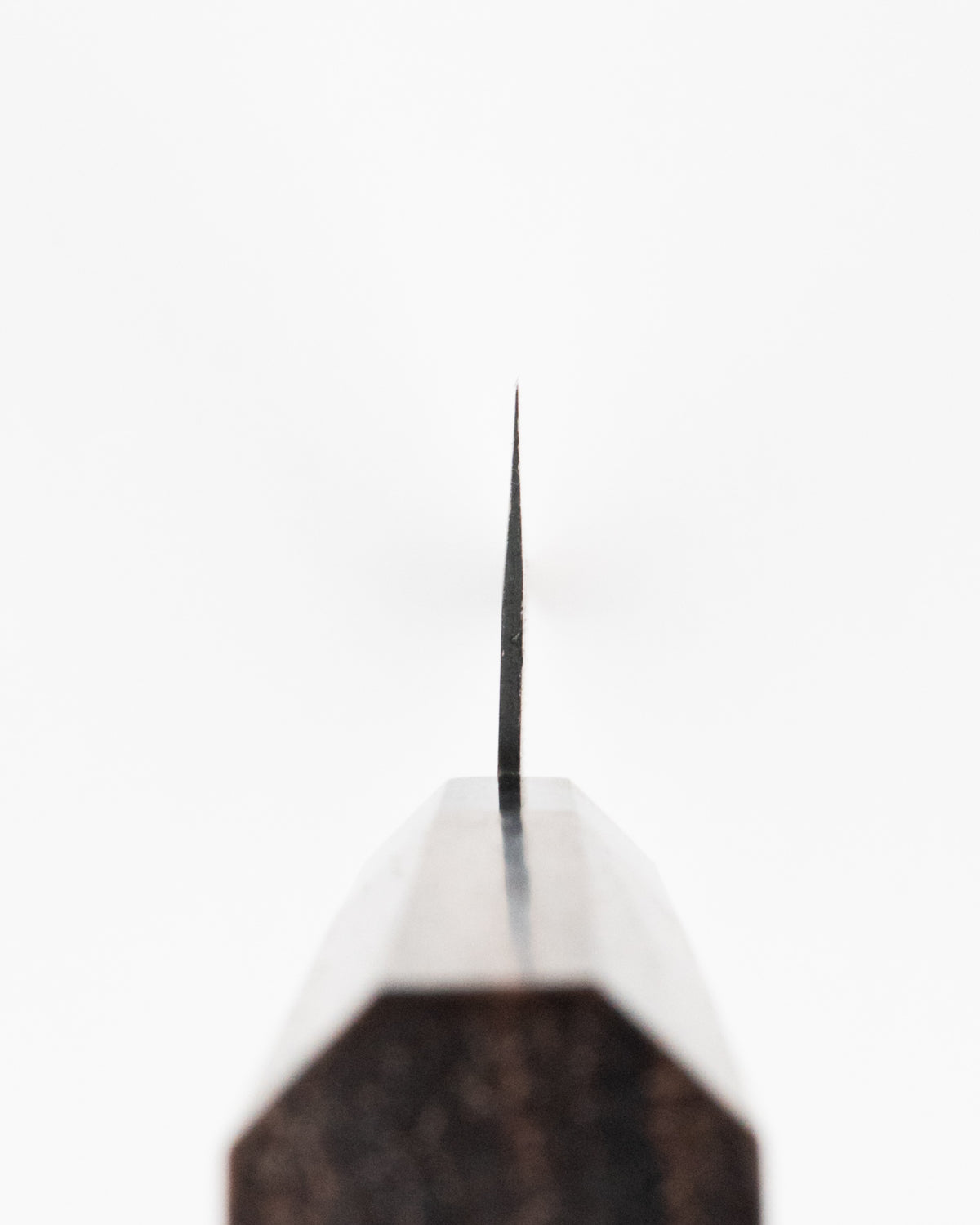
- 50/50
- Right-/left-handed
- Both
- Item number (SKU)
- HK-AOKITAE-B2-220G
About the knife type: Gyuto (chef's knife)
A gyuto is a Japanese chef's knife for all everyday kitchen work. It is similar to a Western chef's knife, but is often lighter with a thinner blade.
The profile is long and even with a pointed tip. It slices, chops and minces fish, meat and vegetables. The length lets you slice in a single cut and keep the fibres intact.
About the steel: Blue #2 (Aogami #2)
Care and maintenance
Wash by hand in warm water, and dry it straight away.
Never the dishwasher. Use a cutting board of wood or plastic, not glass or stone.
Similar knives