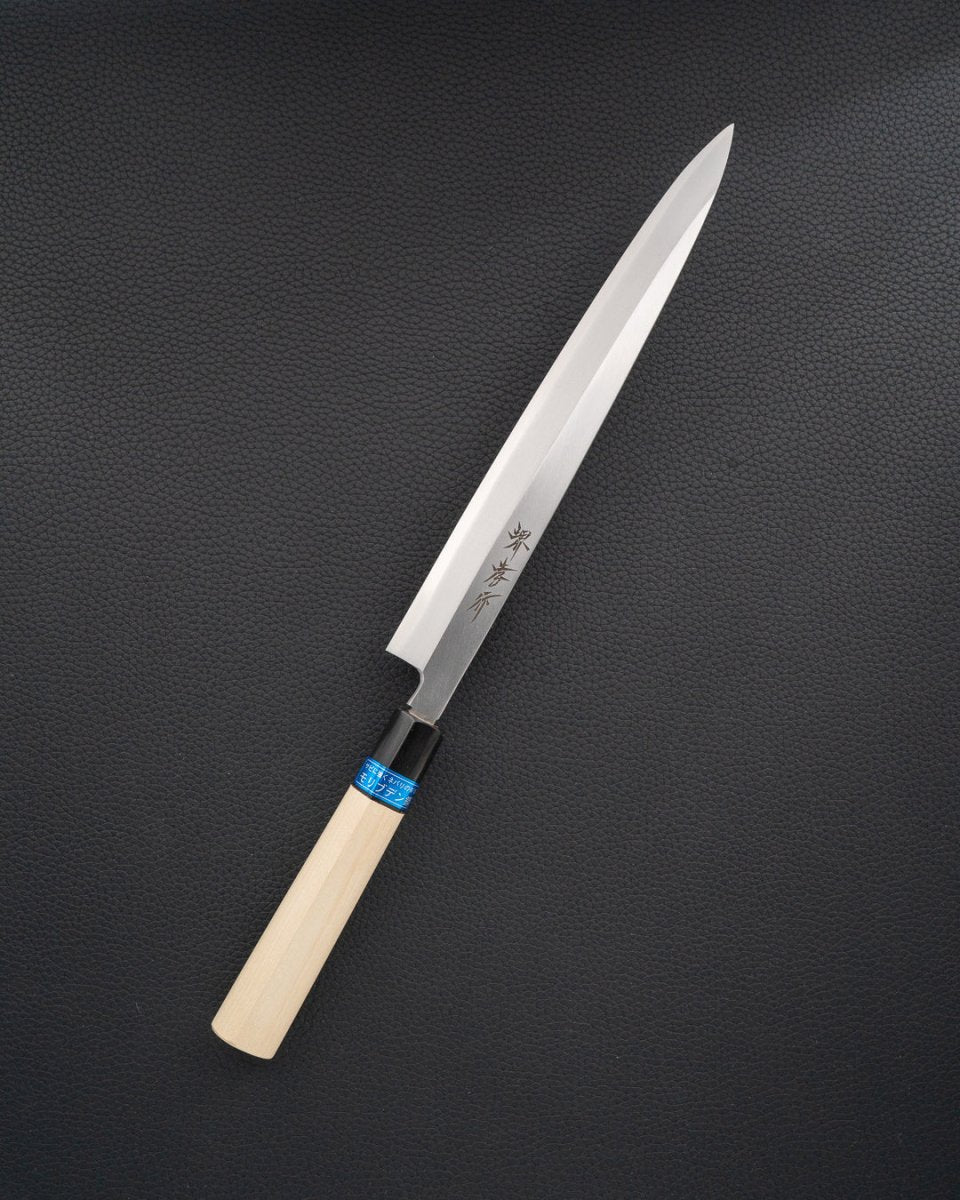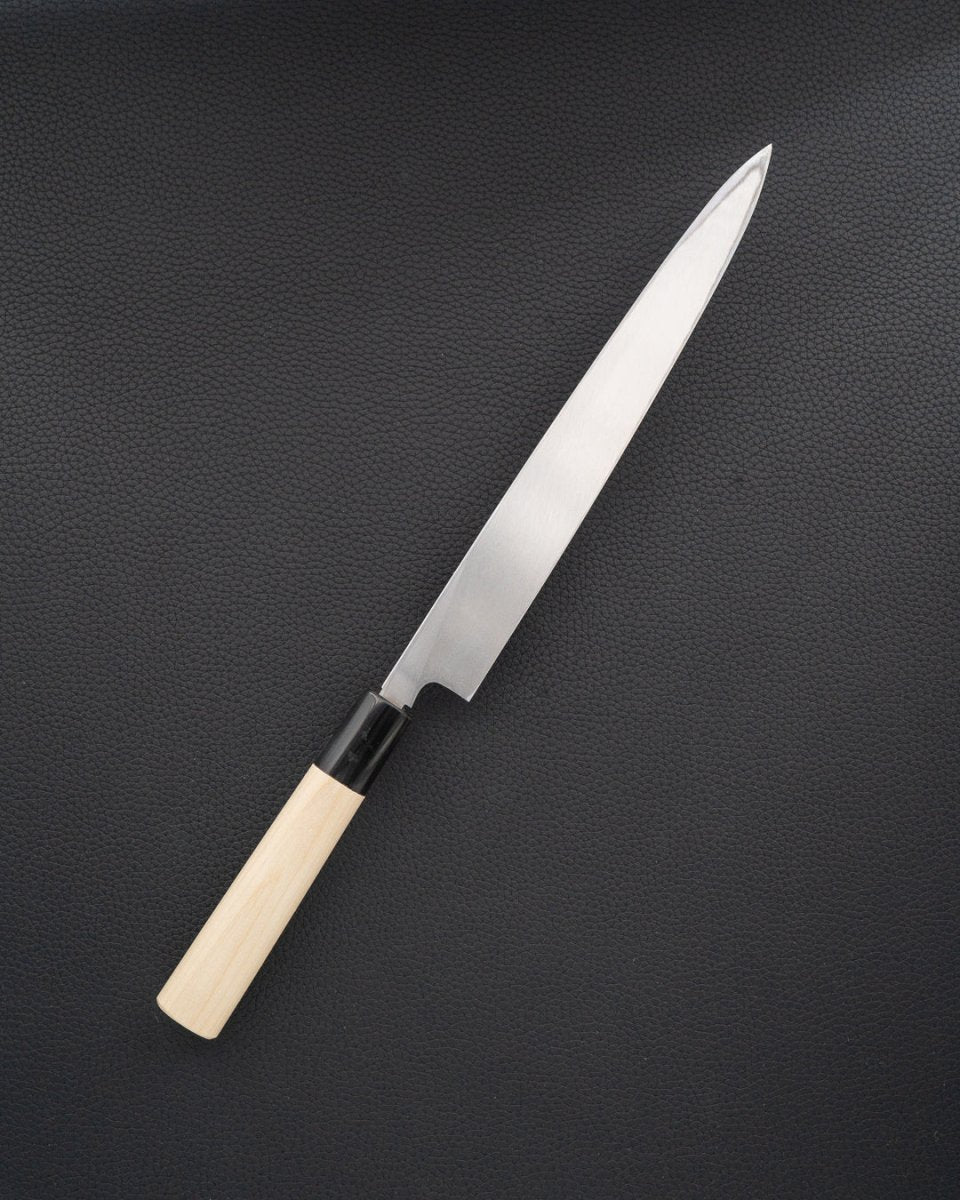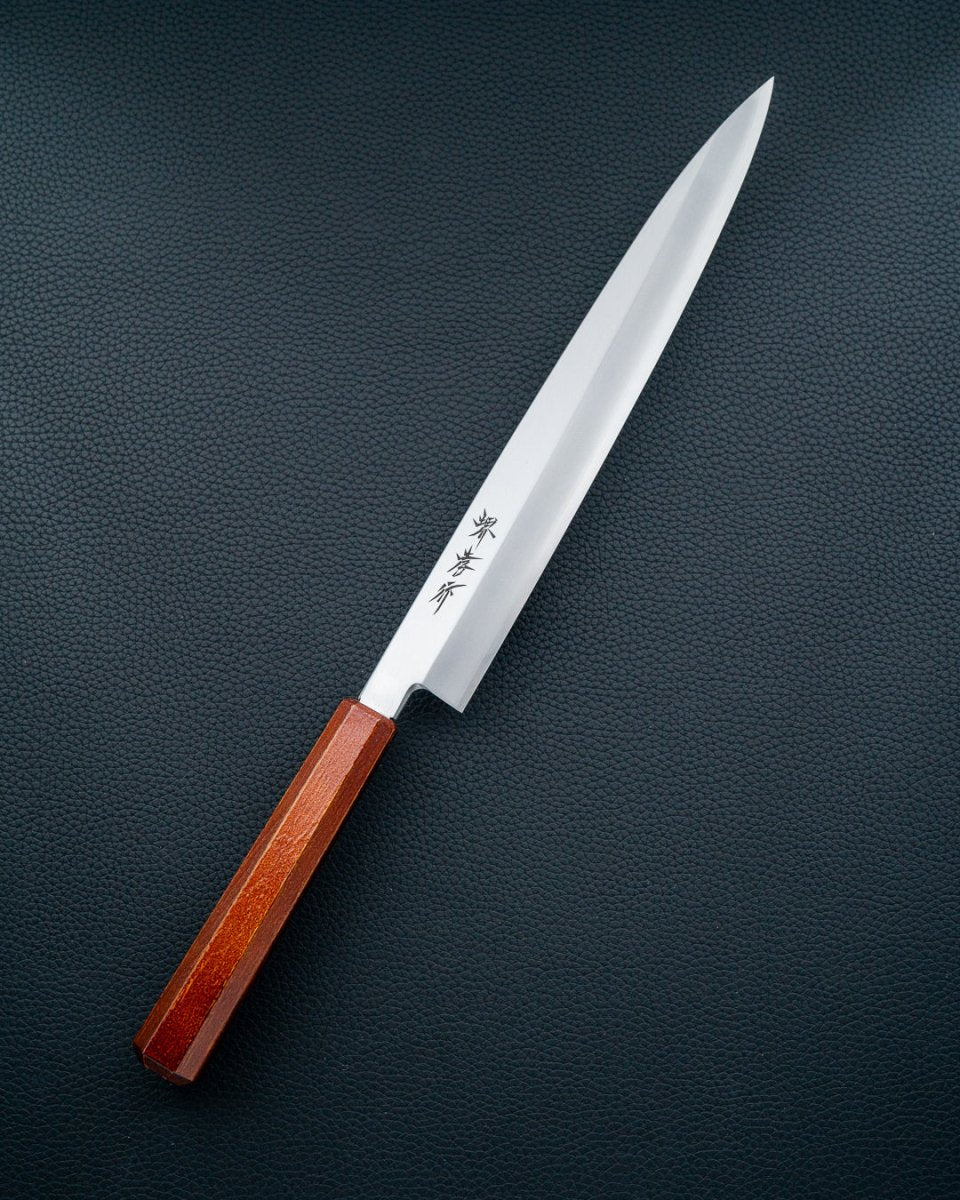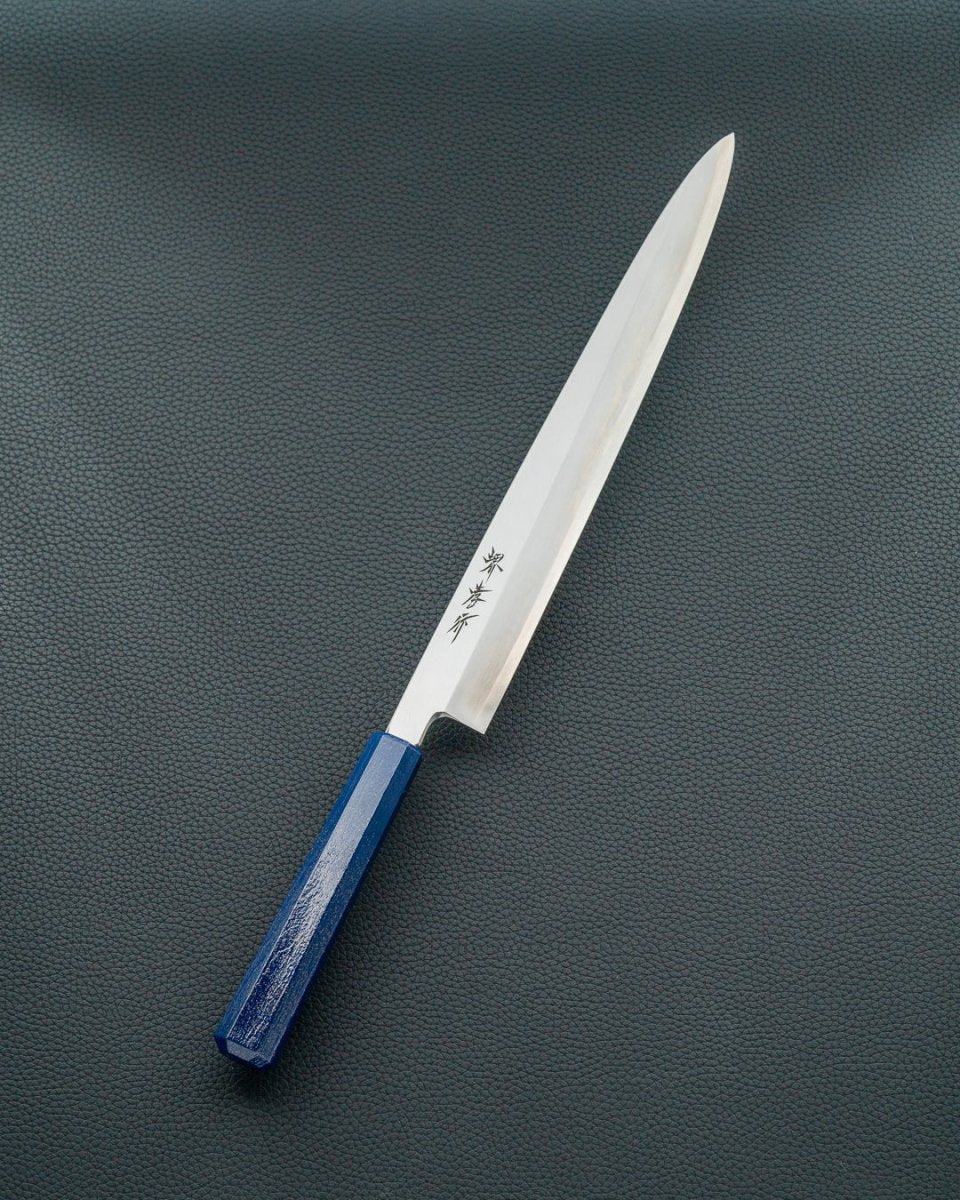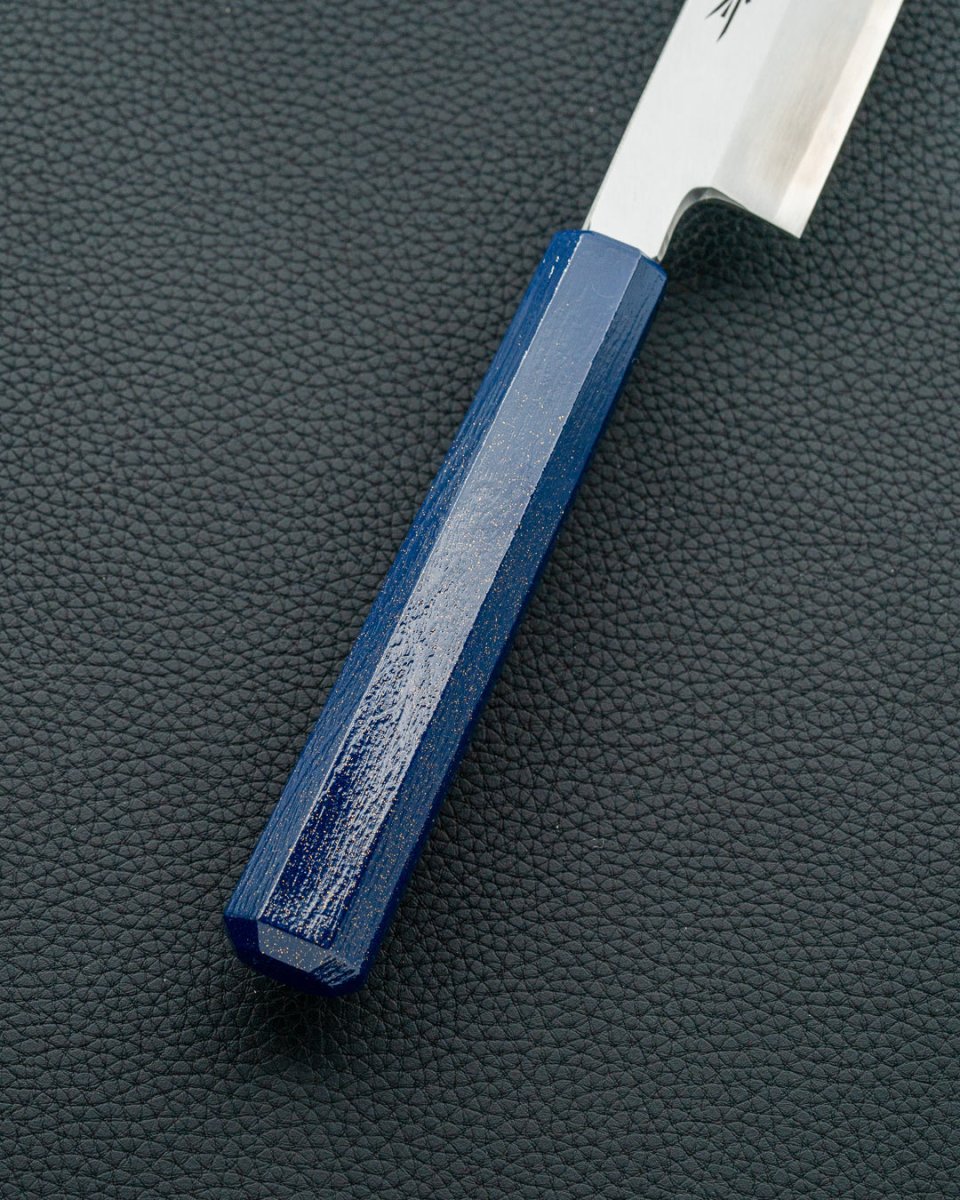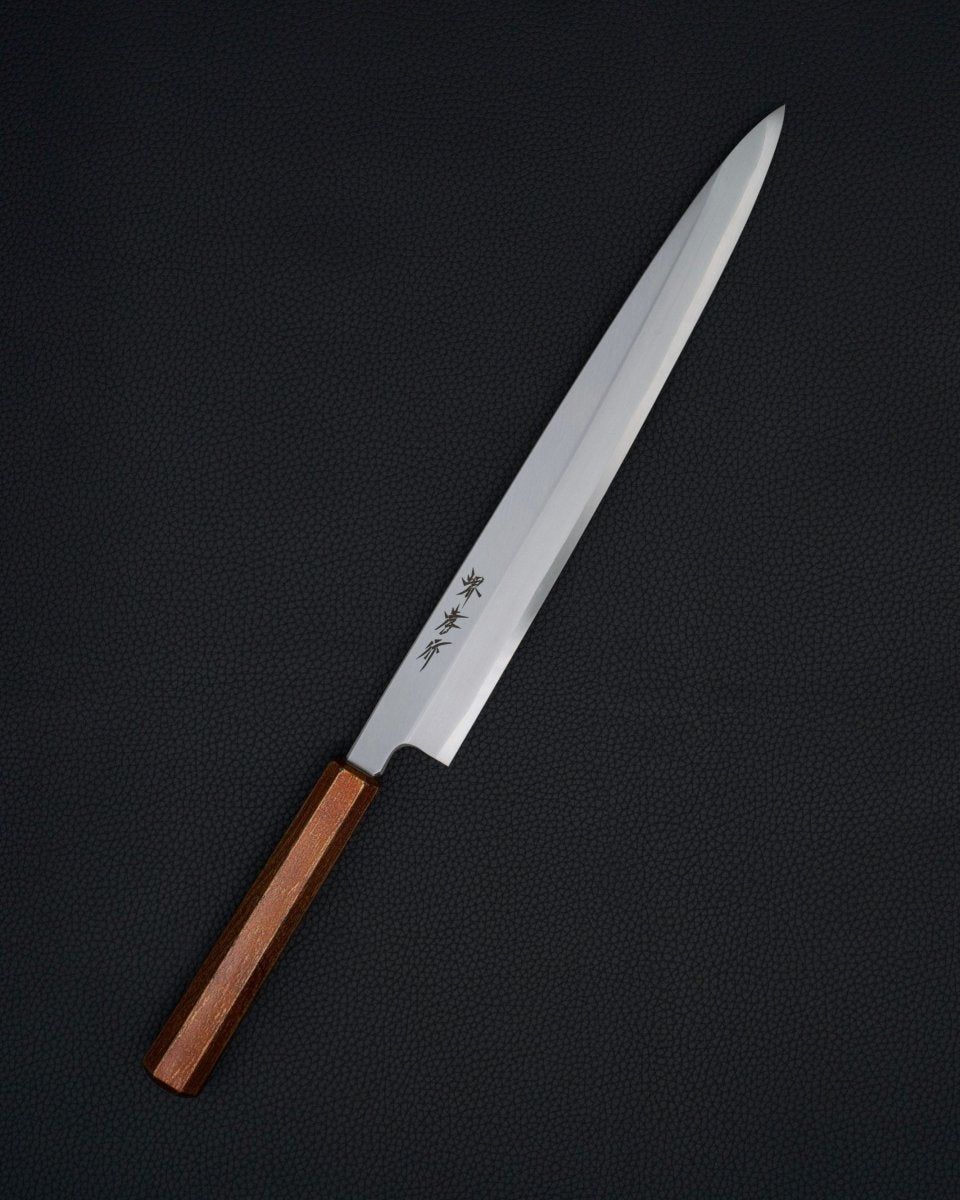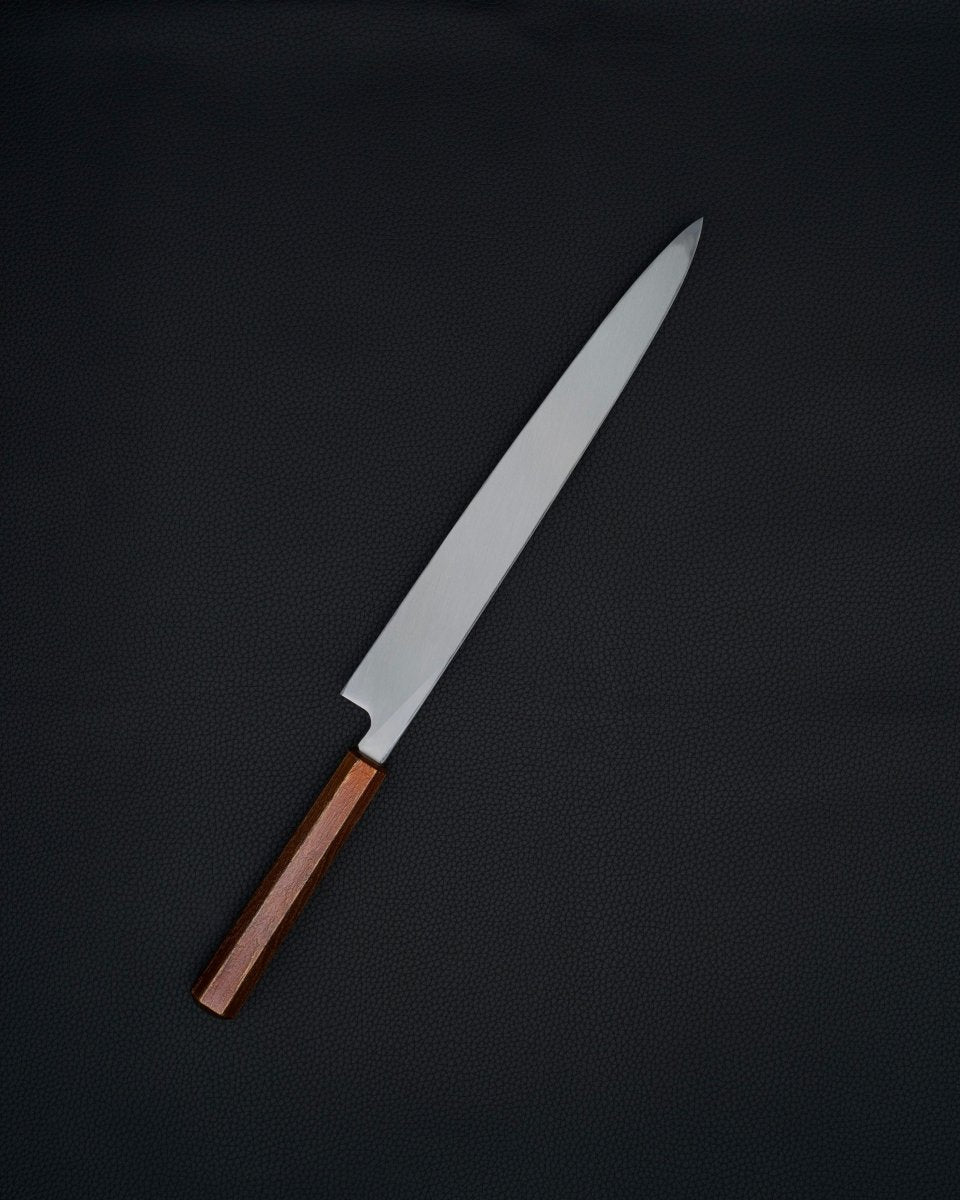



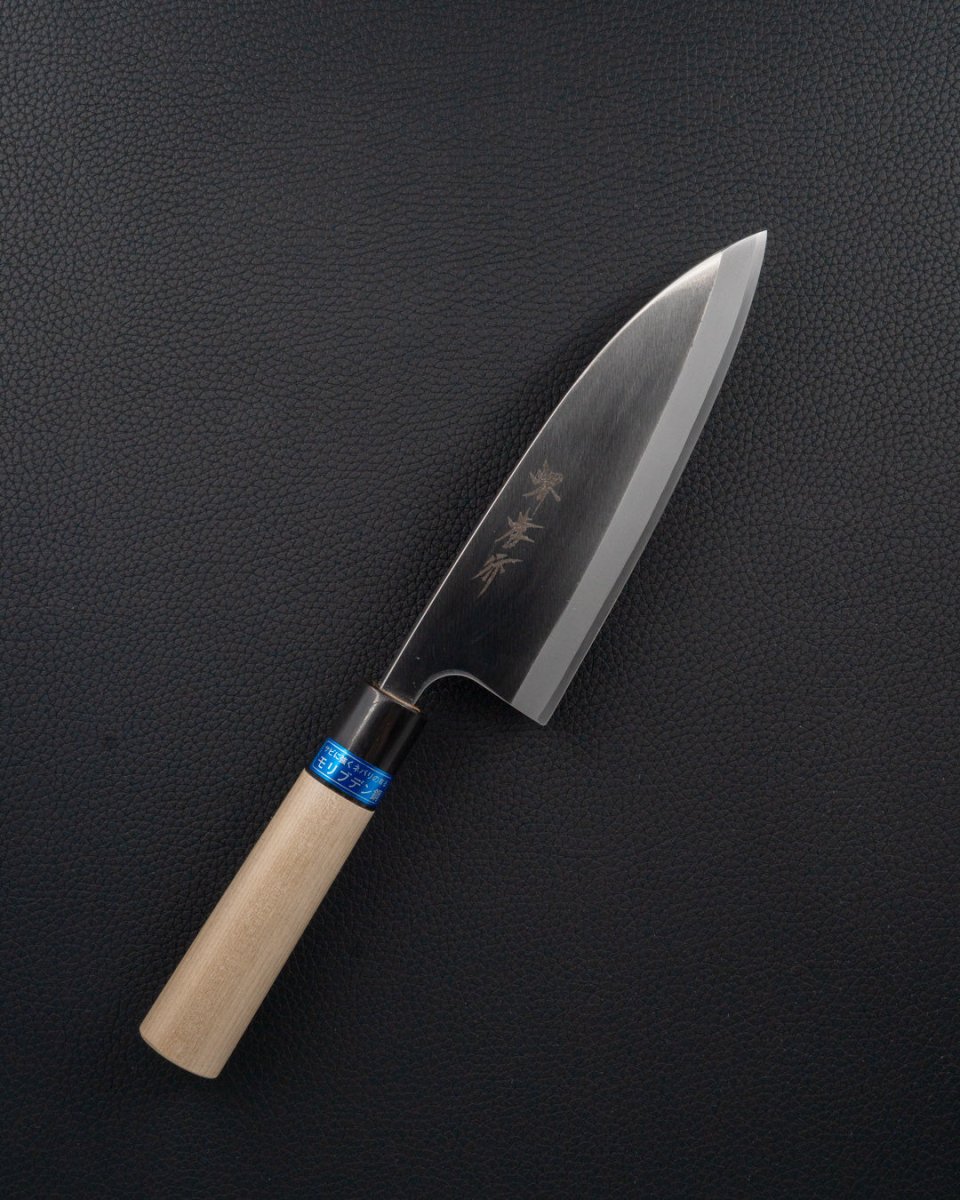


Deba 165 mm, SAKAI TAKAYUKI Inox Deba
For those who fillet whole fish and cut through bones.
You have another variant of this item in your wishlist.
Goes with the knife
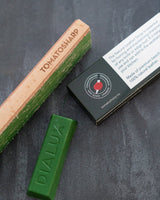
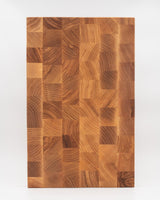
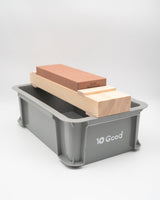
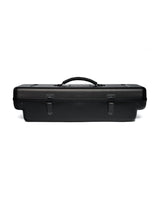
Choose options
You have another variant of this item in your wishlist.
Description
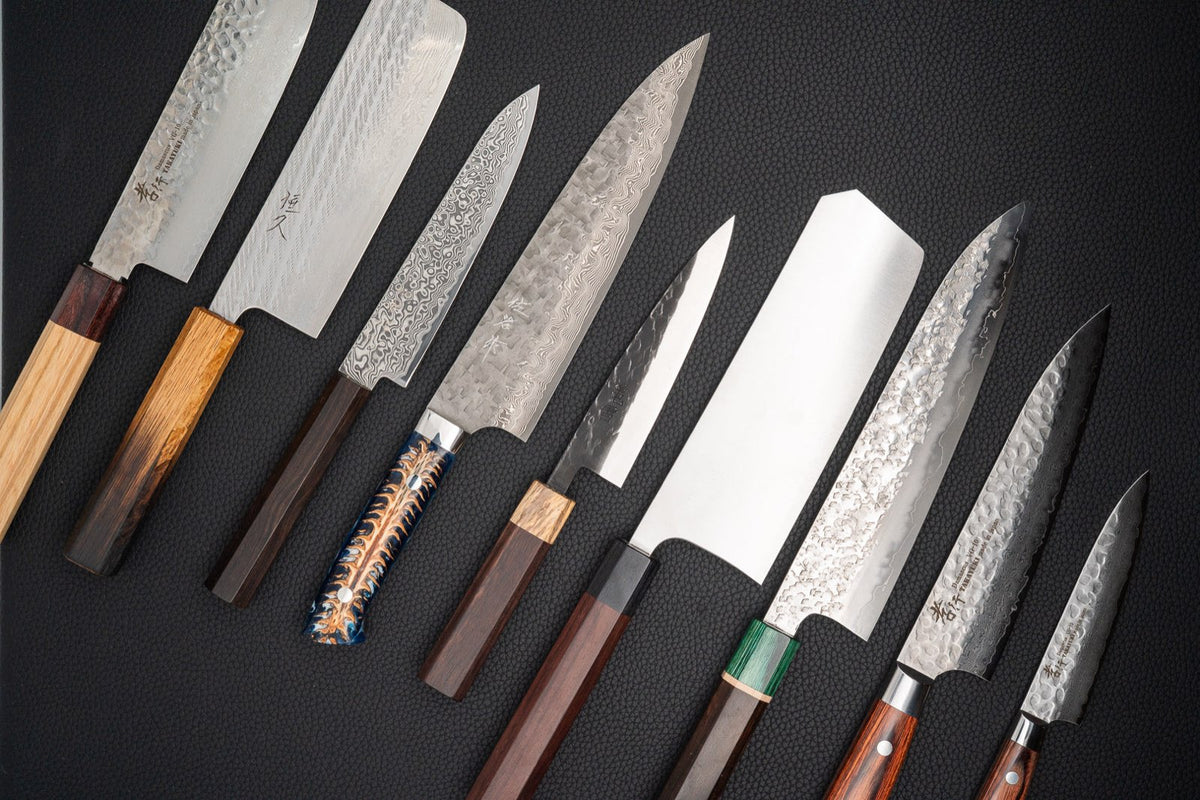
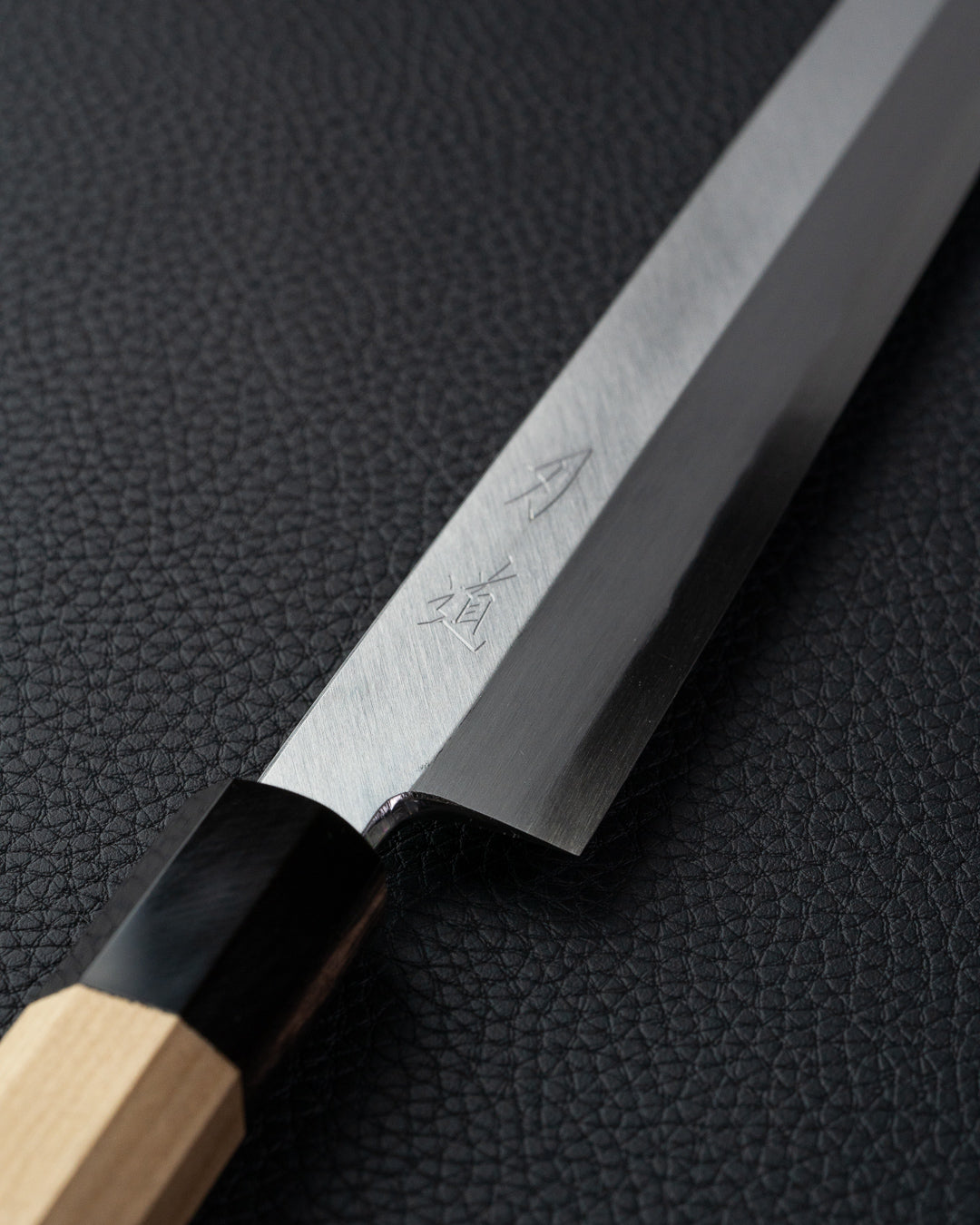
The SAKAI TAKAYUKI Inox Deba 165 mm is made for precise work on fish and meat, and combines classic Japanese craftsmanship with modern function. A beautiful, reliable knife for sushi enthusiasts and professional chefs, well suited to precision work.
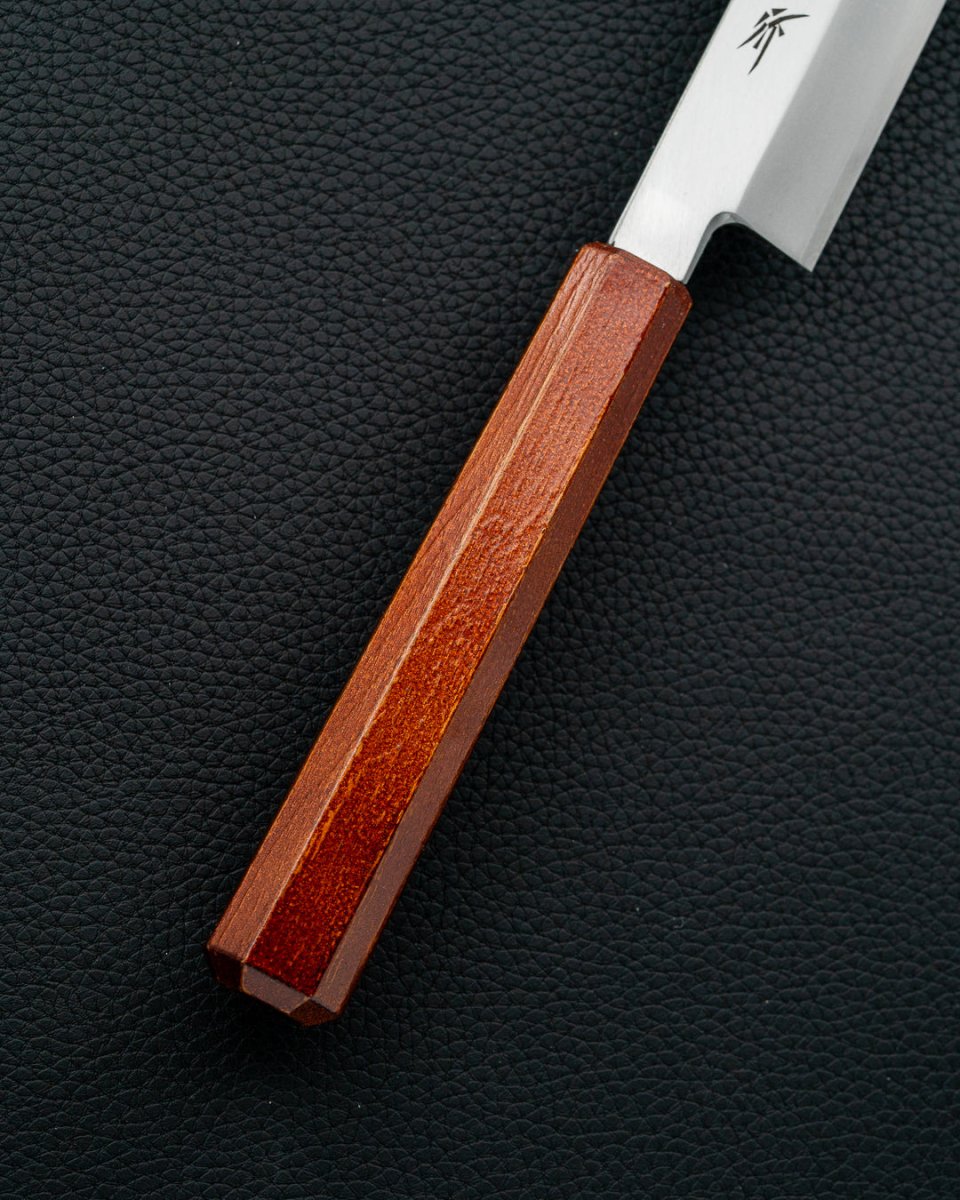
The deba profile gives power for filleting and trimming, while the short, sturdy blade gives safe control even on thicker pieces of fish and bone. The handle, made of Japanese magnolia wood with a horn ferrule, has a traditional look and is ergonomic and comfortable during long sessions.
Sakai Takayuki · Sakai, Osaka

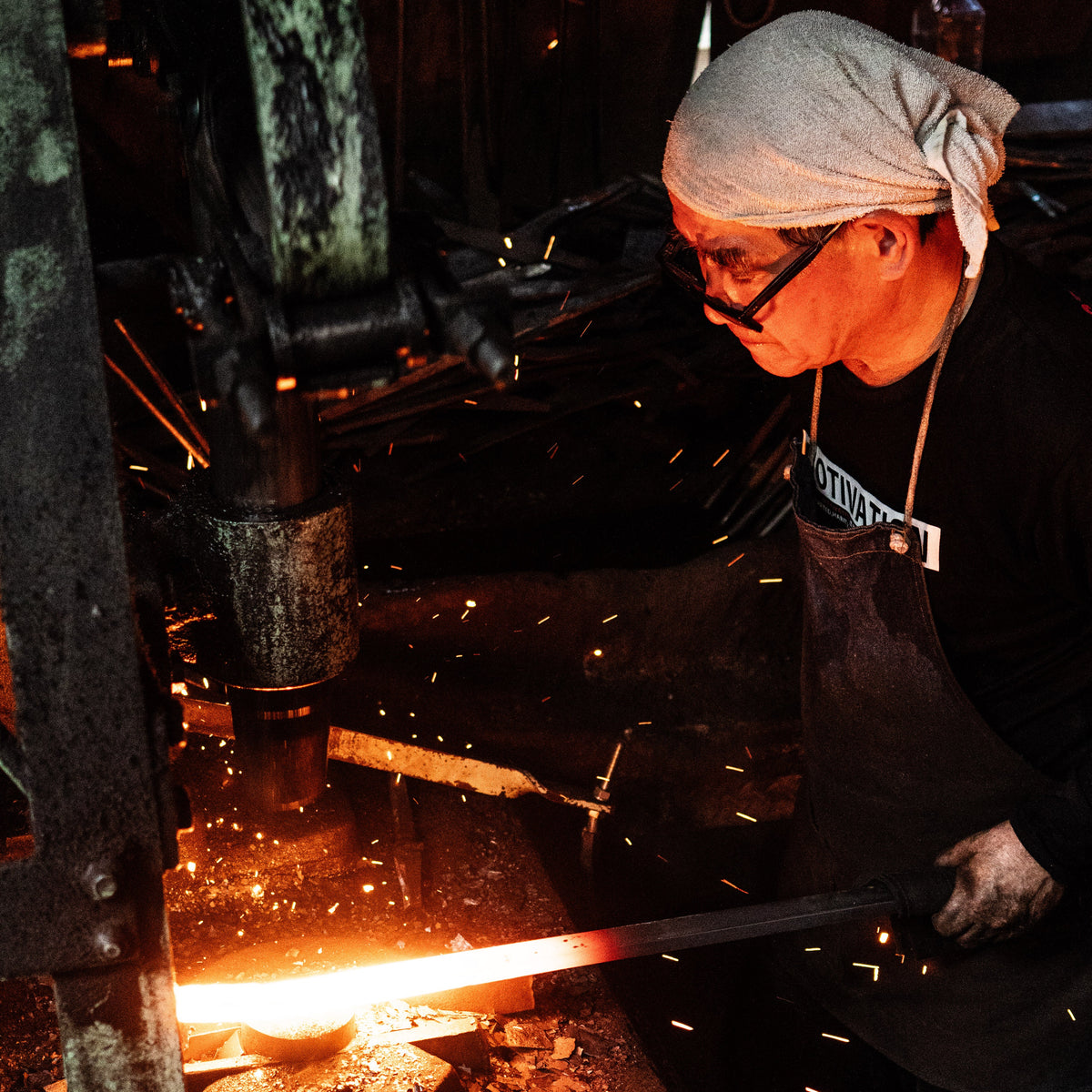
Sakai Takayuki is Sakai's best-known knife brand, made by Aoki Hamono in a city that has forged knives for 600 years.
All knives from Sakai TakayukiSpecifications
- Knife type
- Deba (Japanese filleting knife)
- Region
- Sakai, Osaka
- Steel
- INOX, stainless steel
- Blade length
- 165 mm
- Handle
- Magnolia
- Edge
- Single bevel
- Right-/left-handed
- Right-handed
- Item number (SKU)
- ST4336
- Weight
- 278 g
About the knife type: Deba (Japanese filleting knife)
A deba is a single-bevel knife used mainly for cutting and filleting fish. A deba is much thicker and heavier than an ordinary kitchen knife or filleting knife, which lets it cut through small fish bones. It has a higher sharpening angle than other single-bevel knives such as the yanagiba.
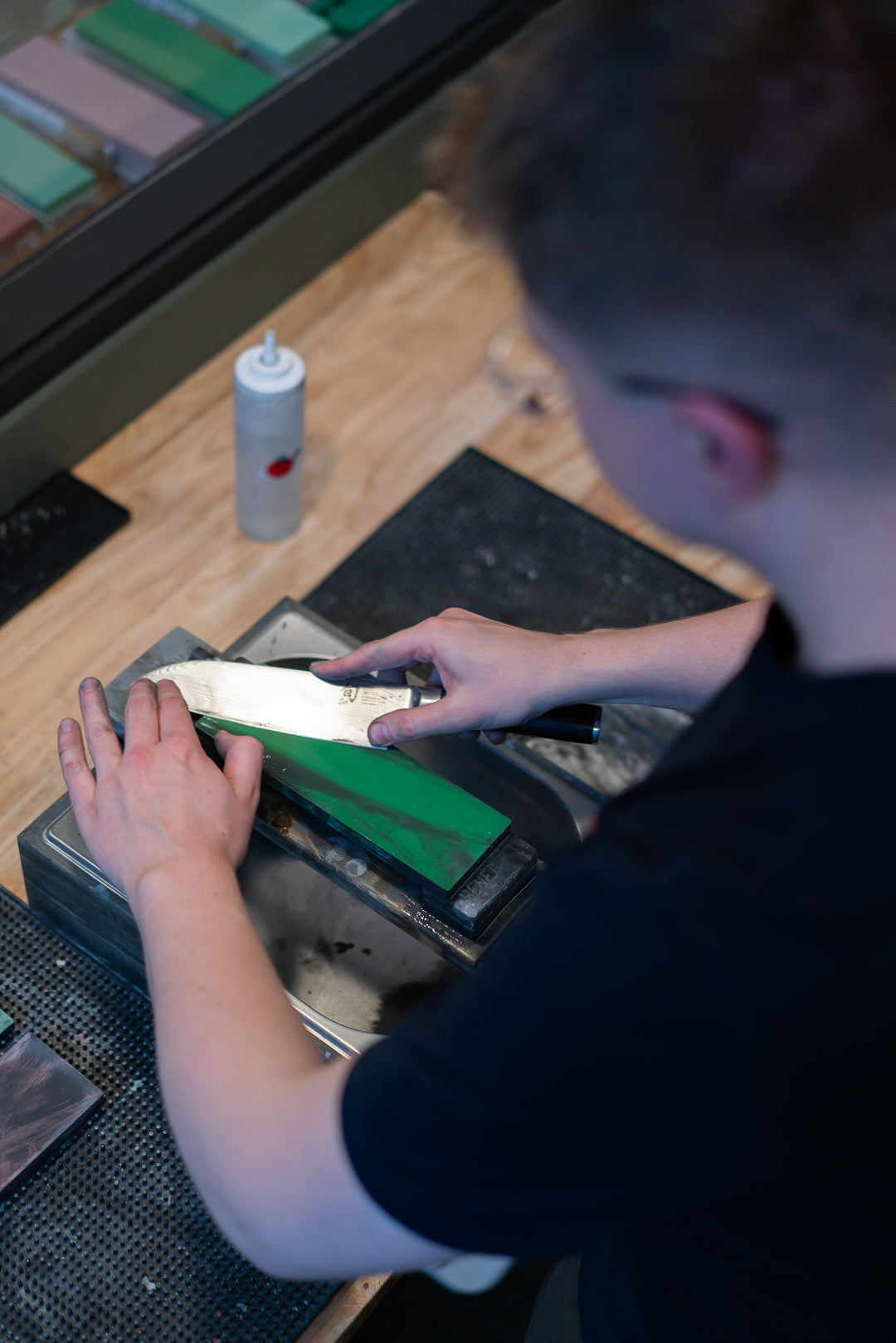
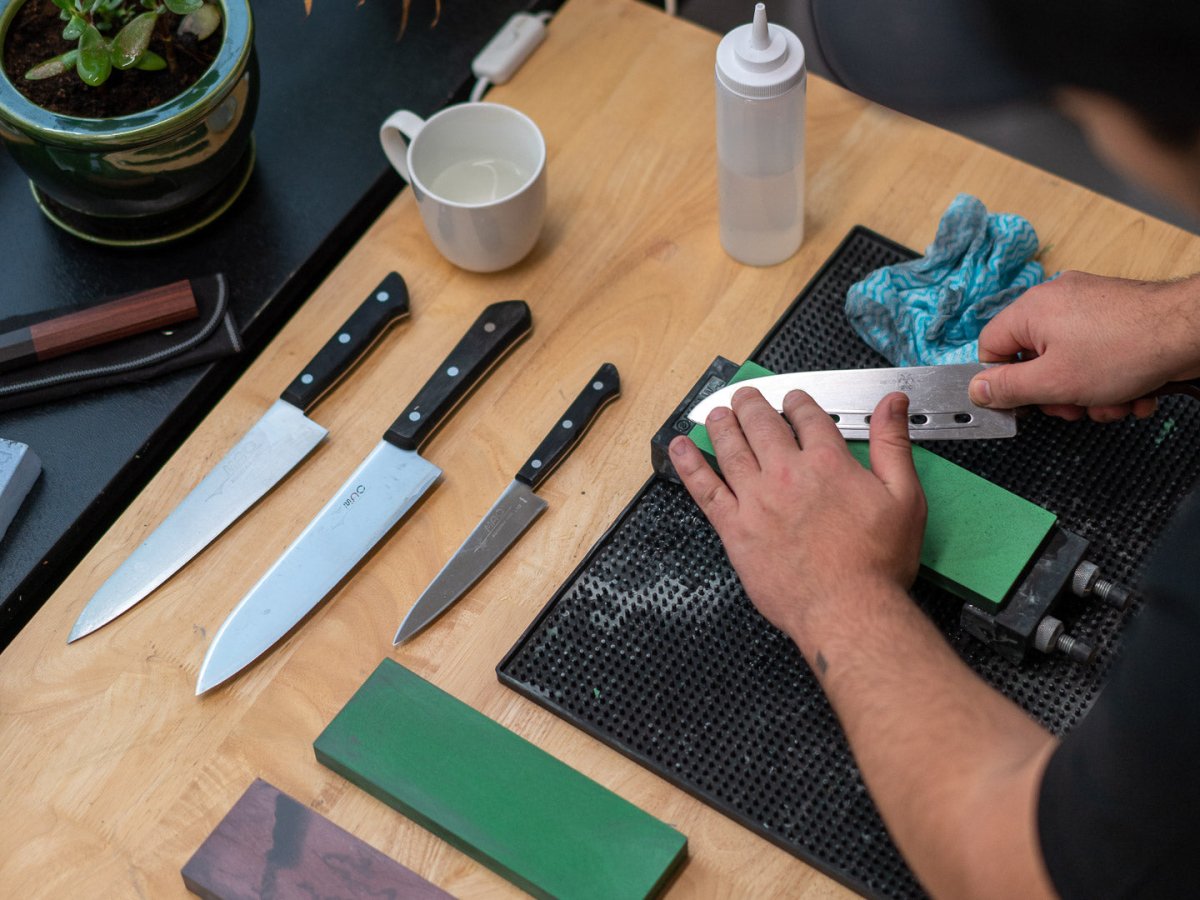
When sharpening a deba, sharpen at a higher angle (about 60 degrees) on one side and a zero angle on the flat side.
About the steel: INOX
Care and maintenance
Wash by hand in warm water, and dry it straight away.
Never the dishwasher. Use a cutting board of wood or plastic, not glass or stone.
Similar knives