




Articles
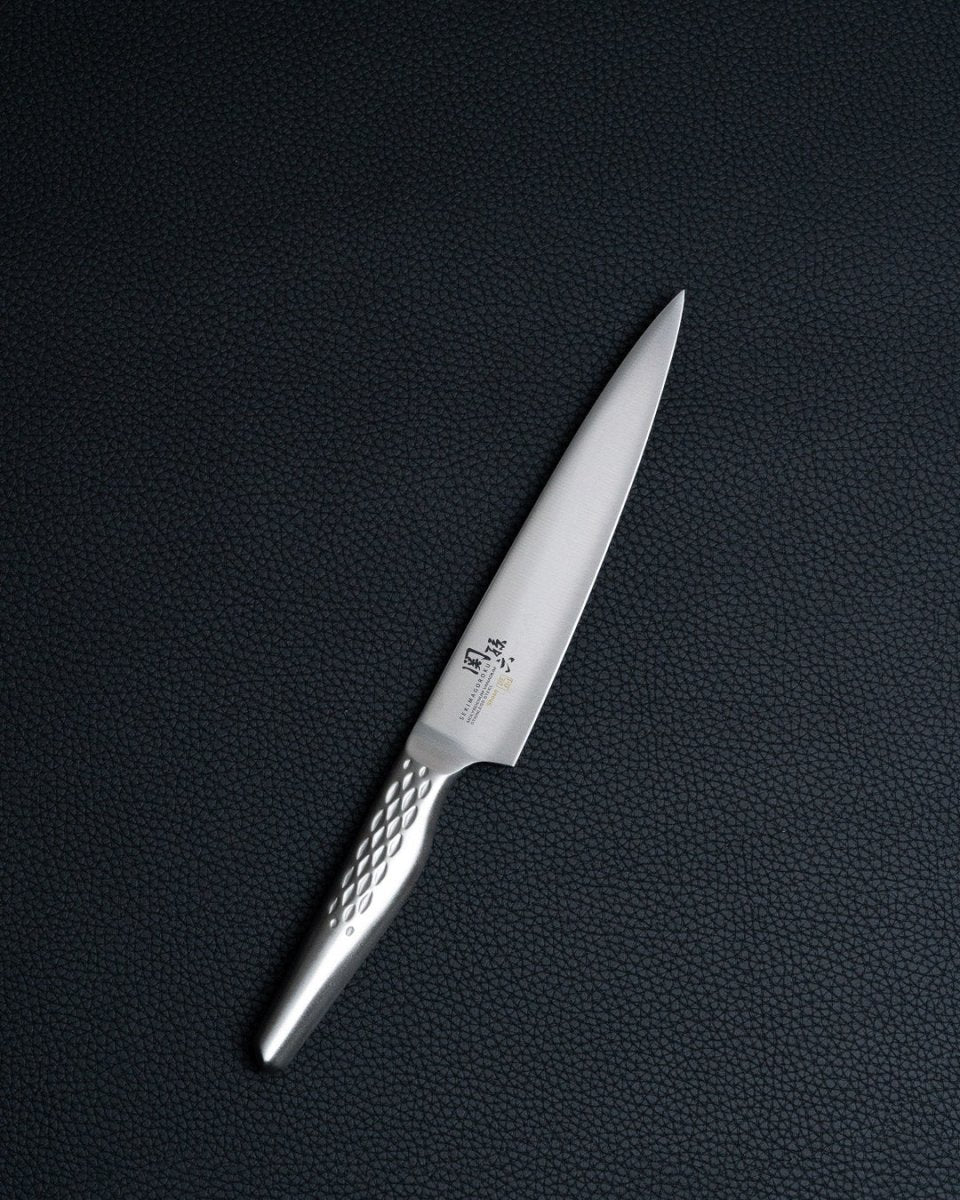
Petty: the small knife you end up using most
The petty is the Japanese utility knife, for everything that is too small for the chef's knife and too big for a paring knife.
Read more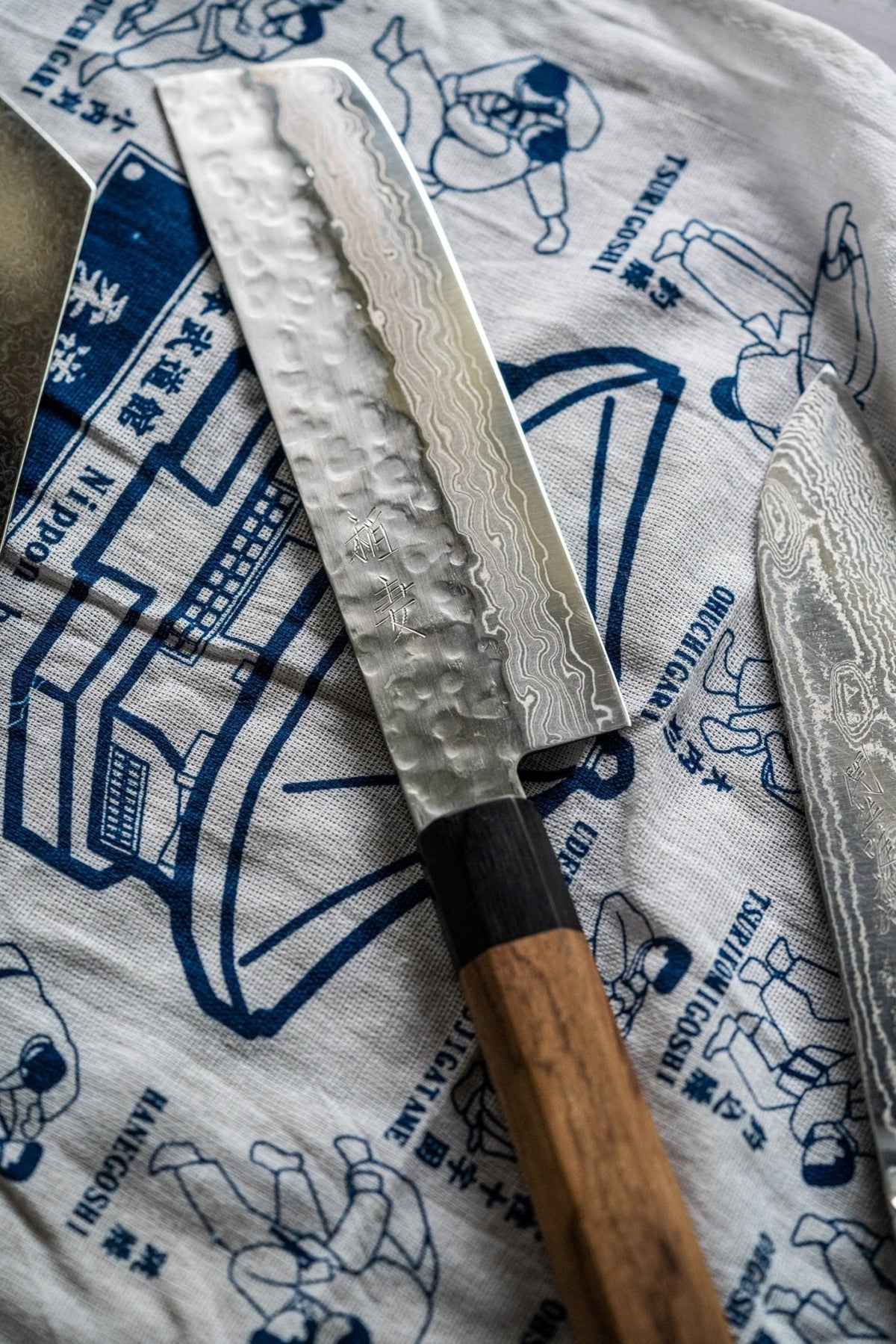
Nakiri: the vegetable knife with a completely straight edge
Rectangular blade, straight edge, no tip. The nakiri is made for vegetables.
Read more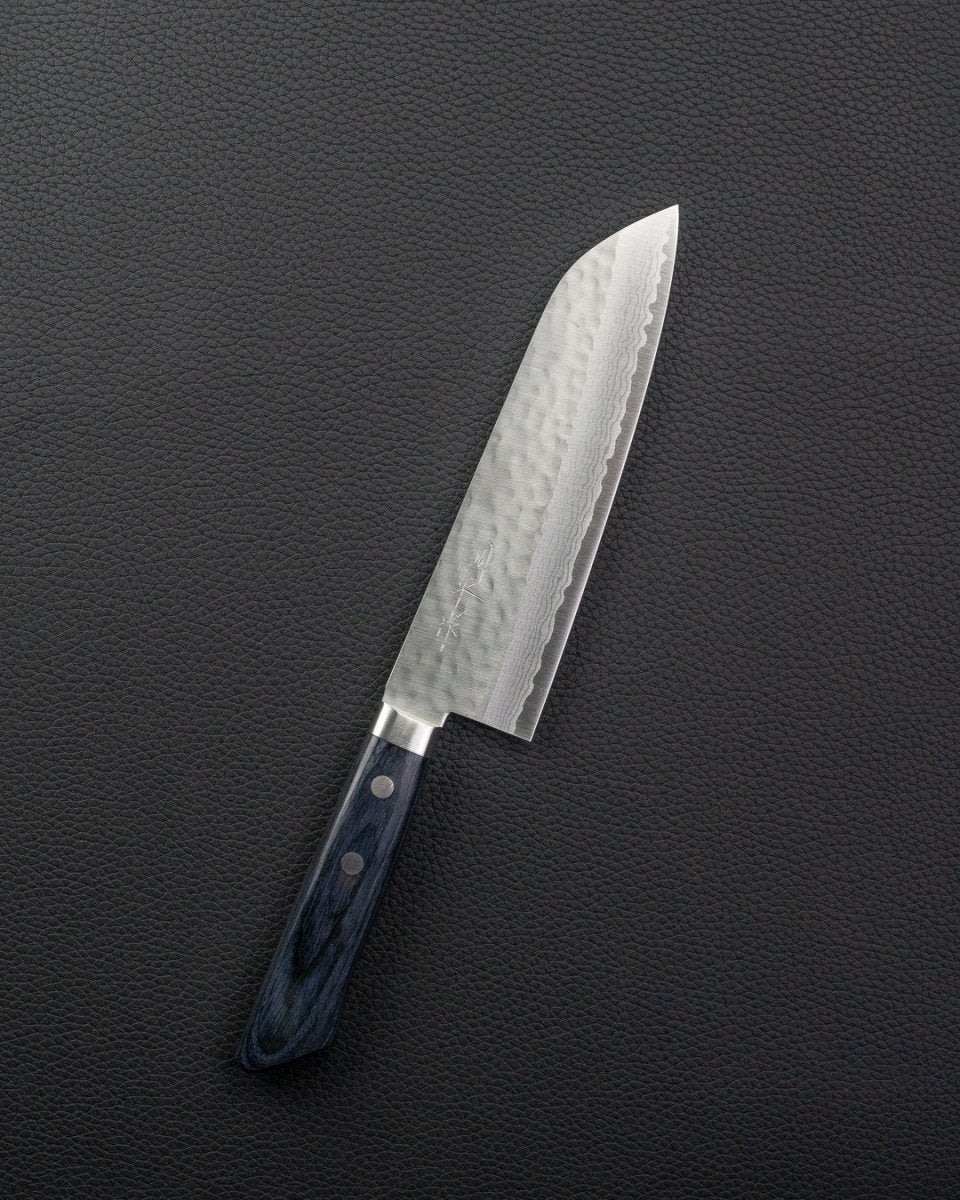
Santoku: the Japanese all-round knife for everyday cooking
Santoku means "three virtues": vegetables, fish and meat. Here is what it is good for, who it suits, and where it falls short.
Read more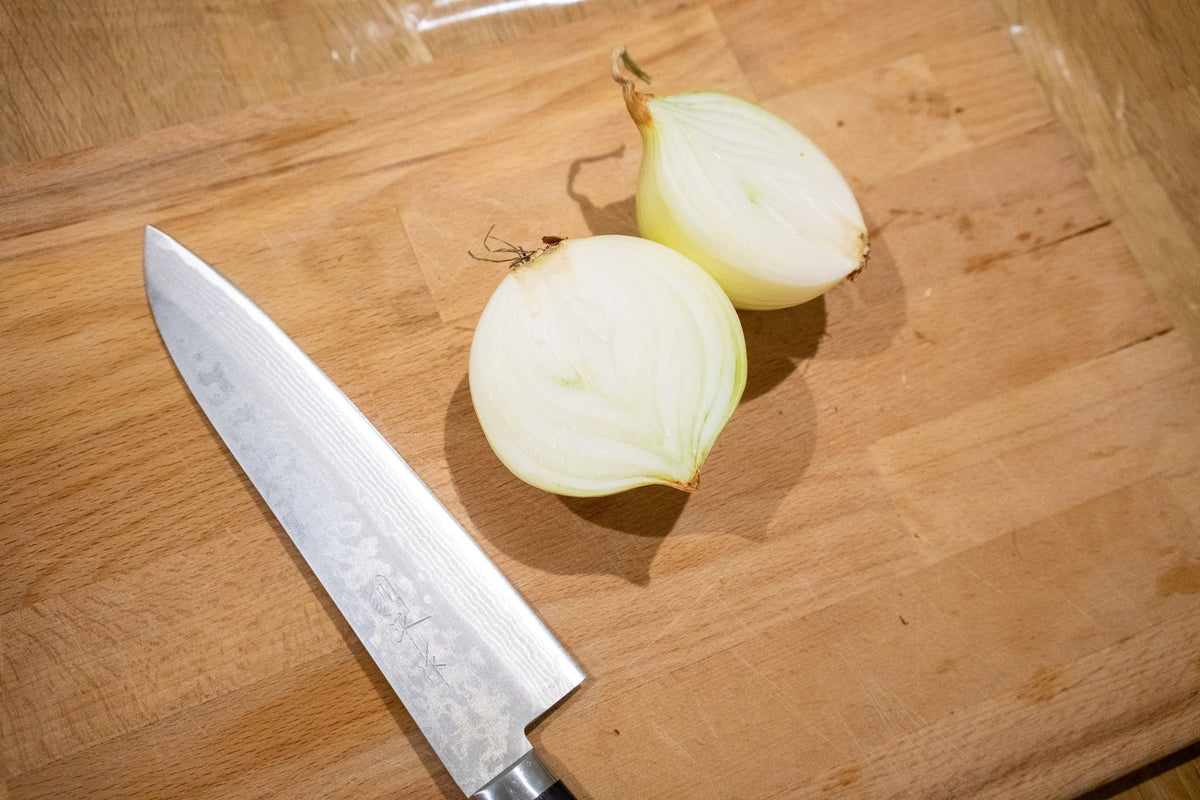
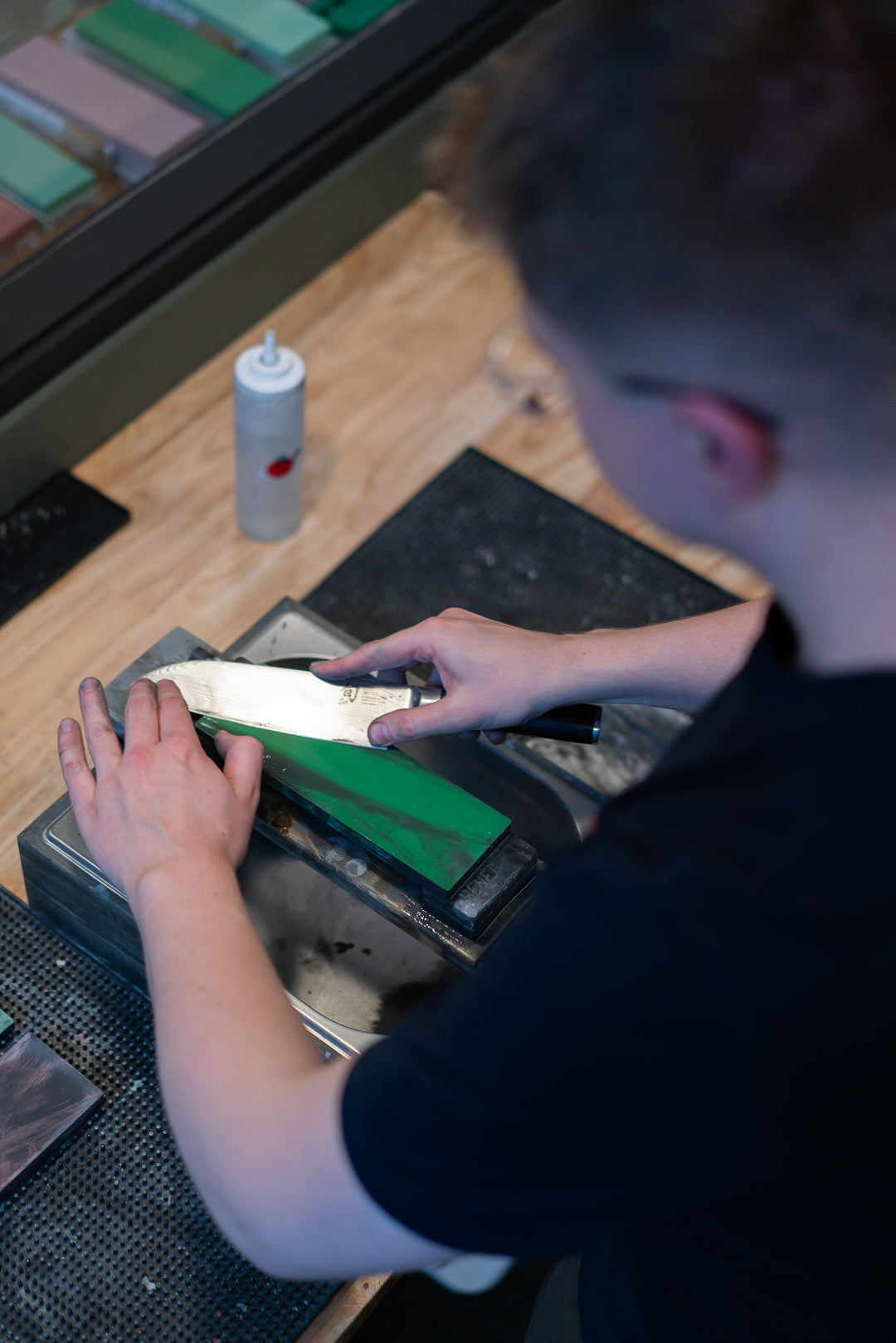
Sharp knife: three tests, and how often it needs sharpening
A dull knife requires force, and it is the force that slips. Here are three tests that show whether the knife is sharp, how often it needs sharpening and how...
Read more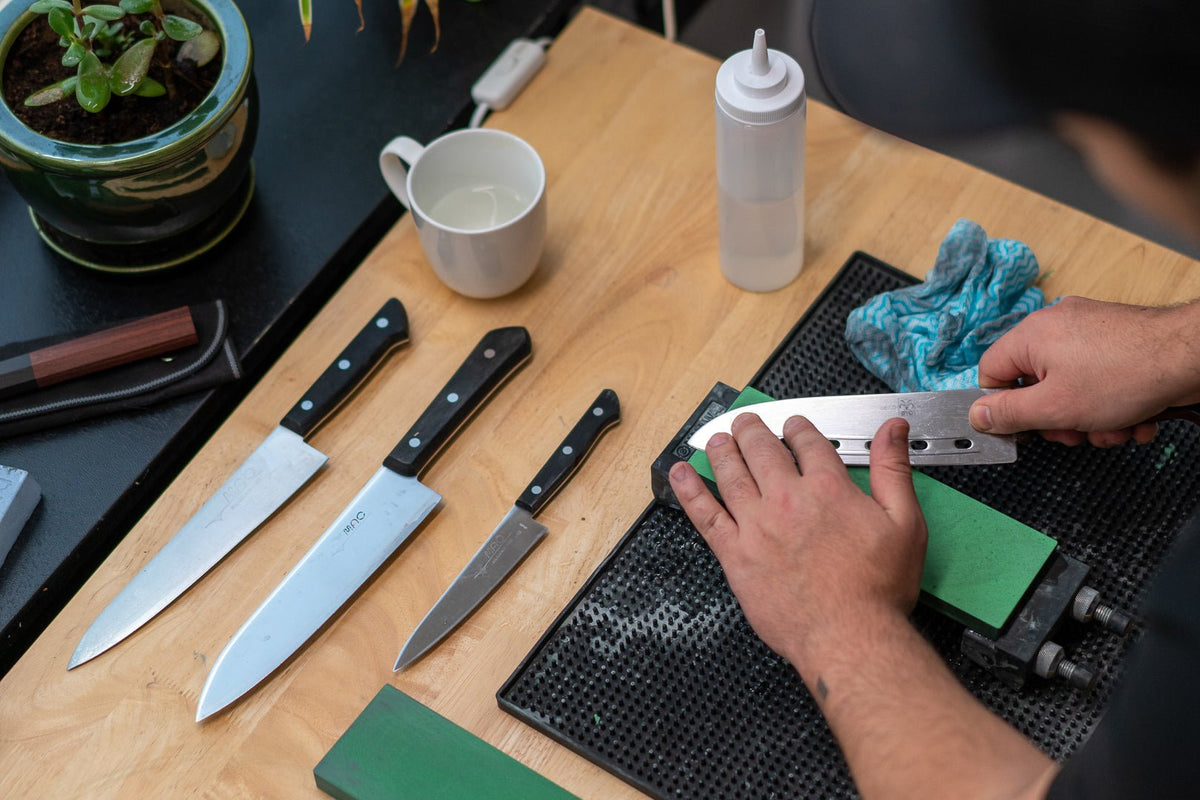
Are inexpensive knives worth sharpening?
Usually, yes. A cheap knife with a sharp edge beats an expensive knife that is dull.
Read more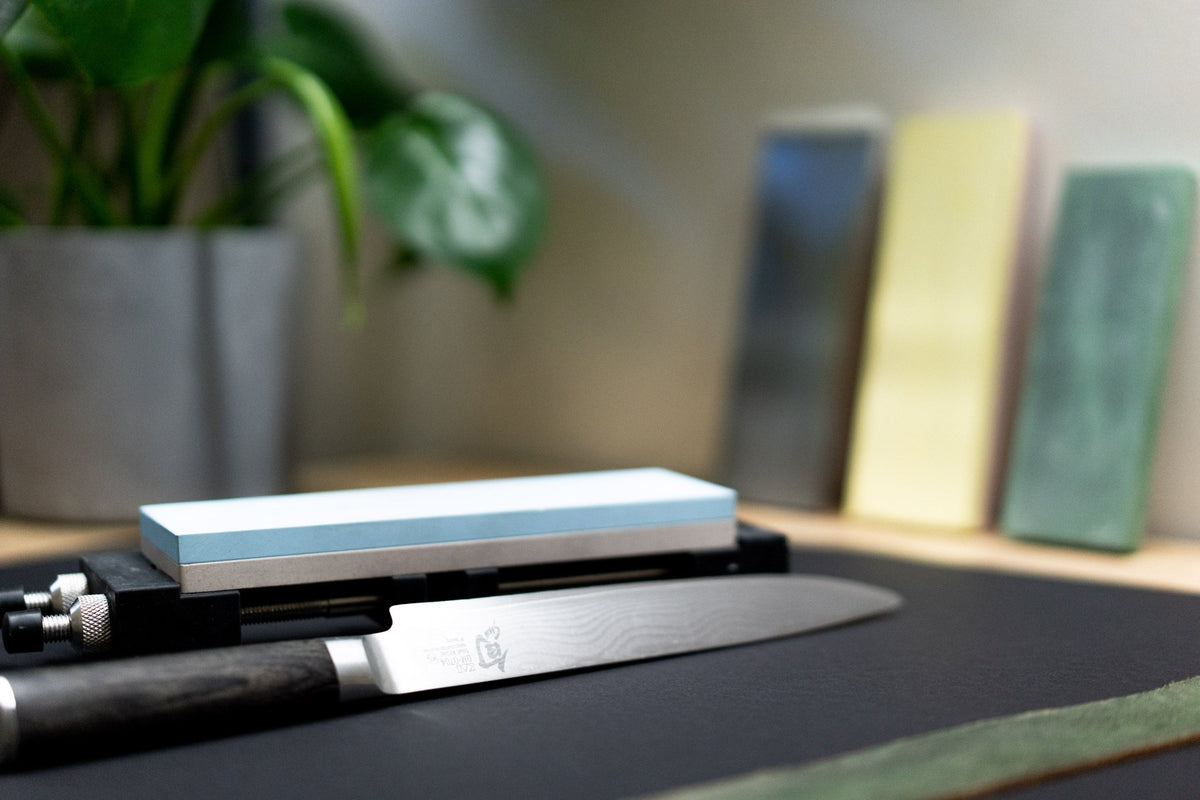
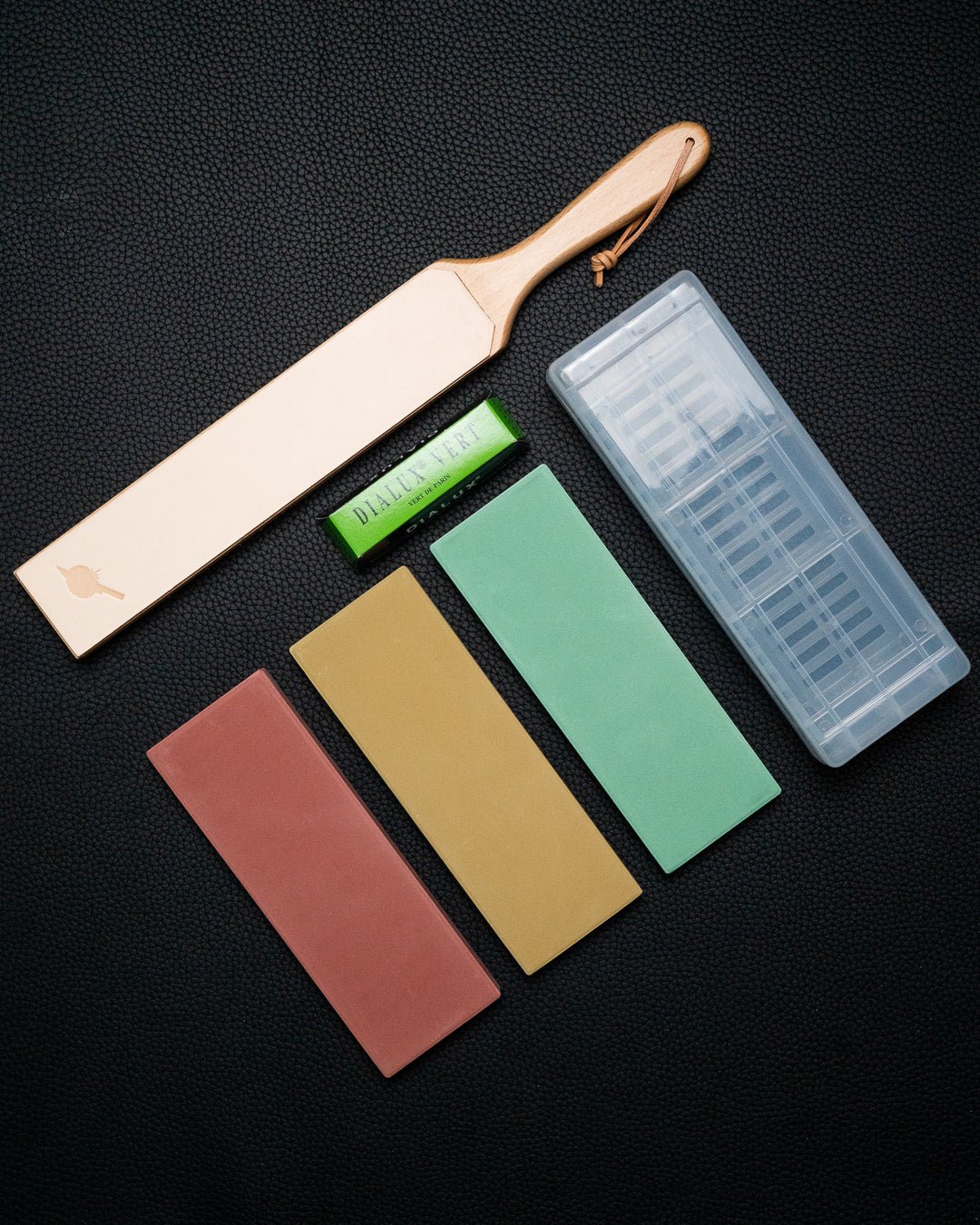
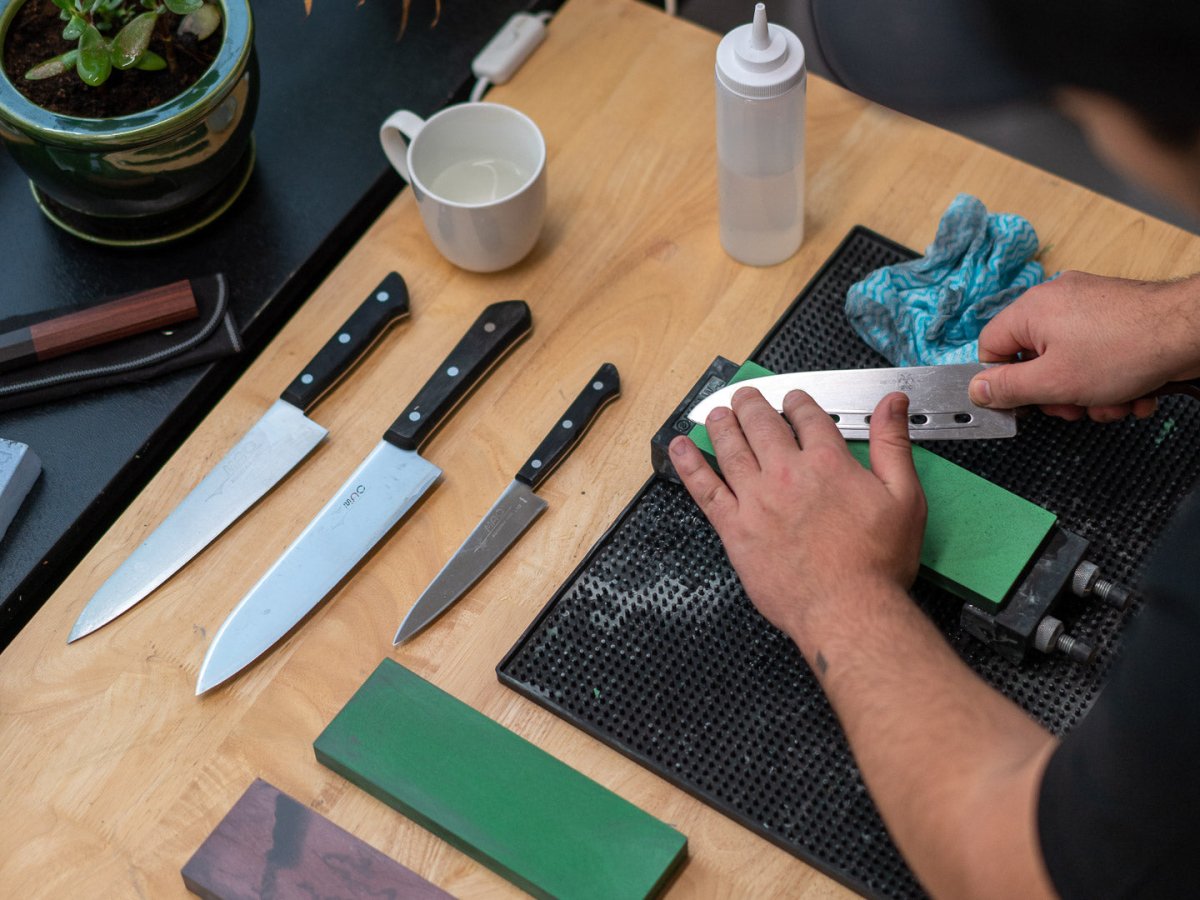
Whetstones: grit, how many you need and natural stones
What #1000 and #3000 mean, how many stones you need, why you also need a flattening stone, and when a natural stone is worth it.
Read more
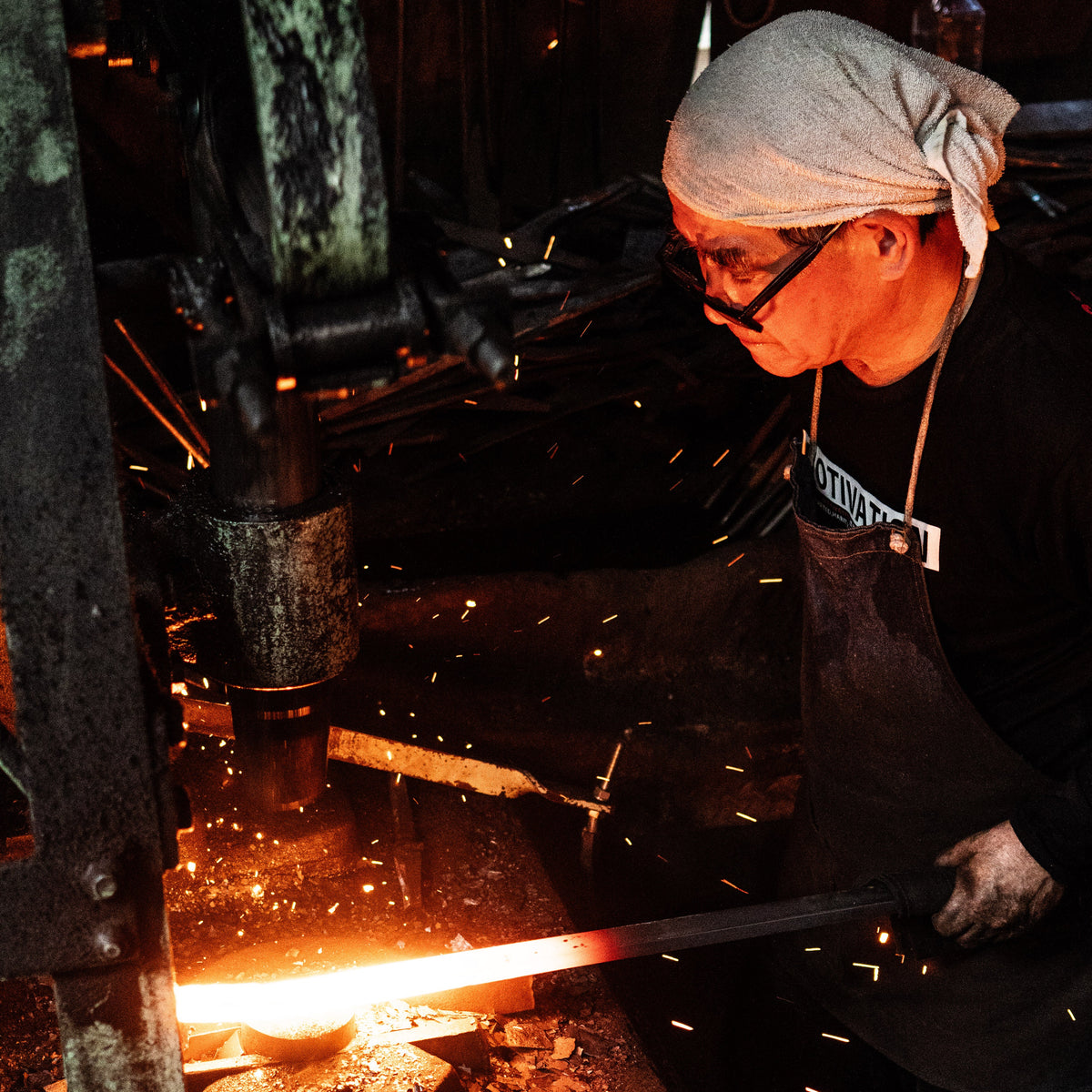
Who we have met in the workshops in Sakai, and what we brought home.
Read more
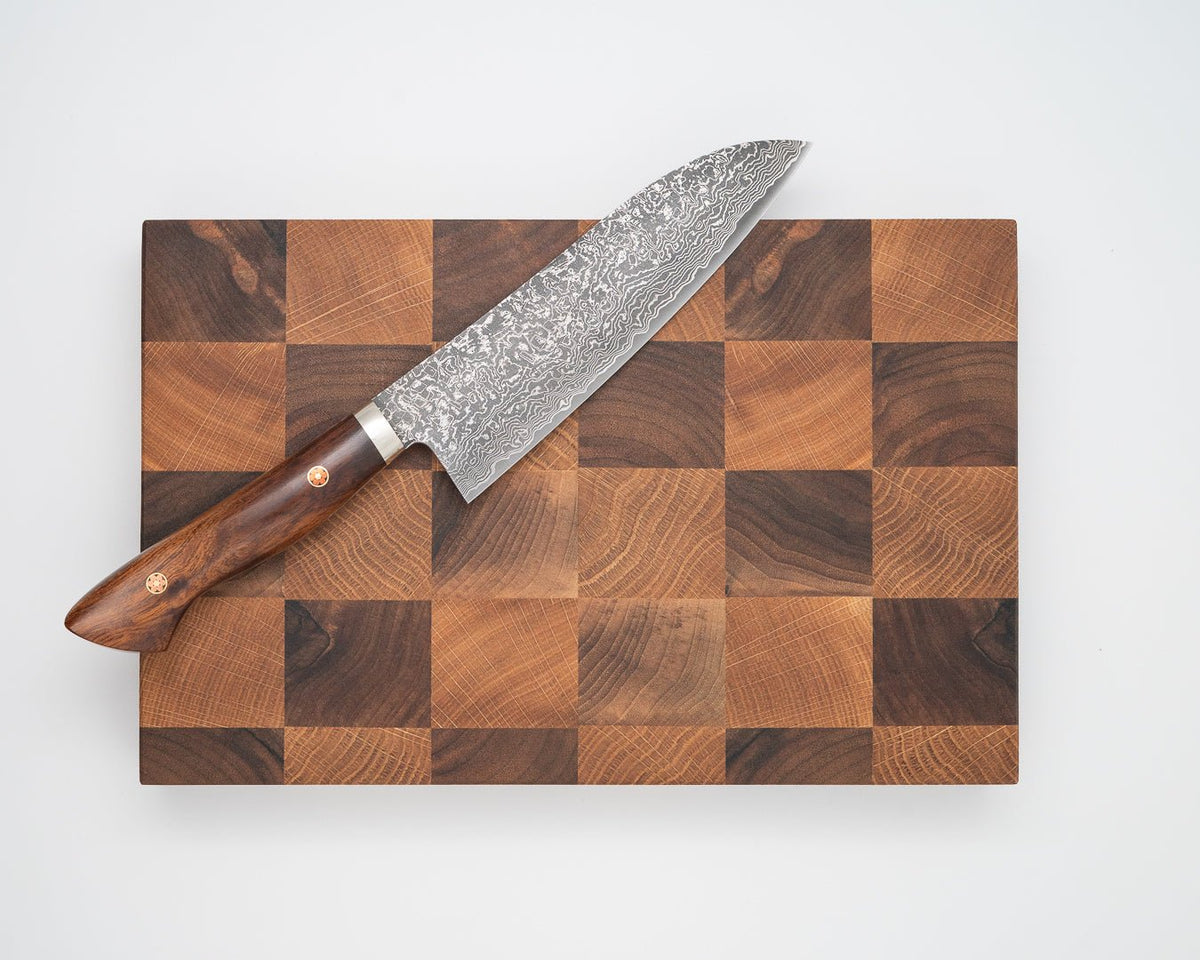
Cutting boards: wood, rubber, plastic and titanium
The surface decides how long the edge lasts. Wood, ideally end grain, for most things, rubber for meat and fish, and the surfaces you should stay away from.
Read more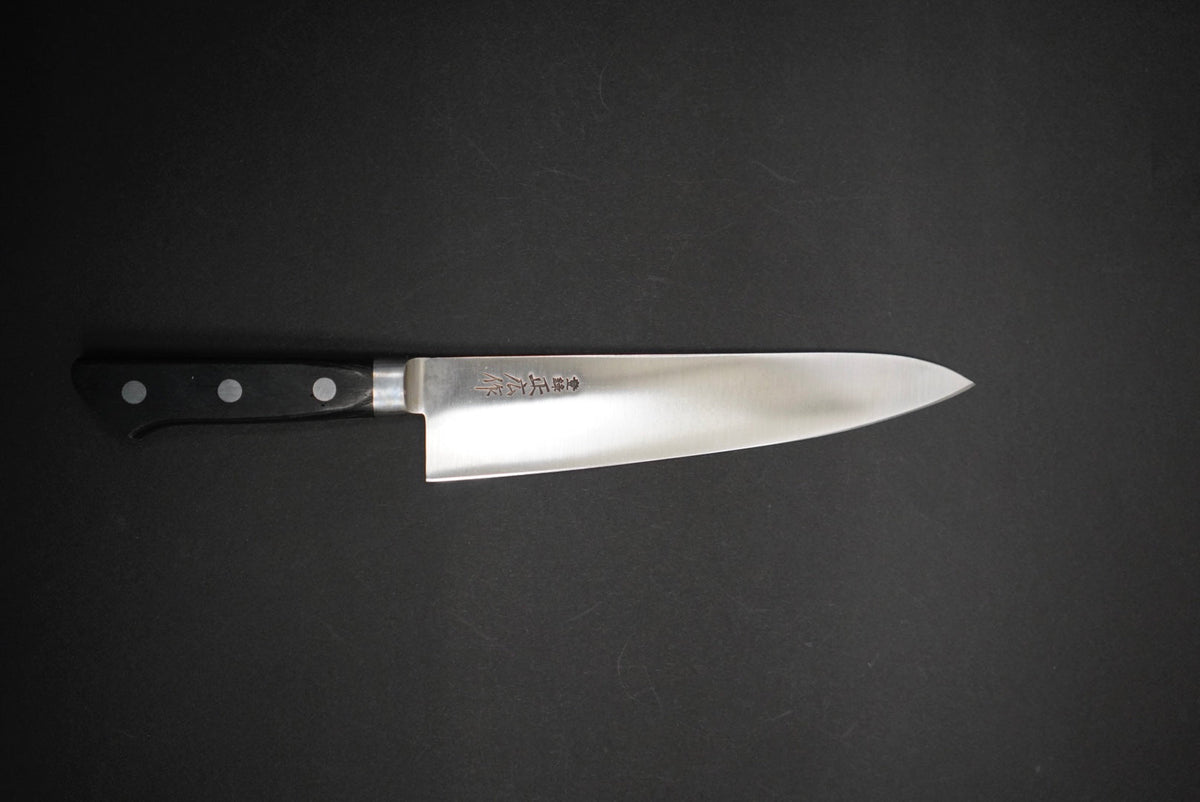
Gyuto: the Japanese chef's knife
The gyuto is the Japanese chef's knife. It is modelled on the Western chef's knife, with a thinner blade and harder steel. Common lengths are 180, 210, 240 and 270...
Read more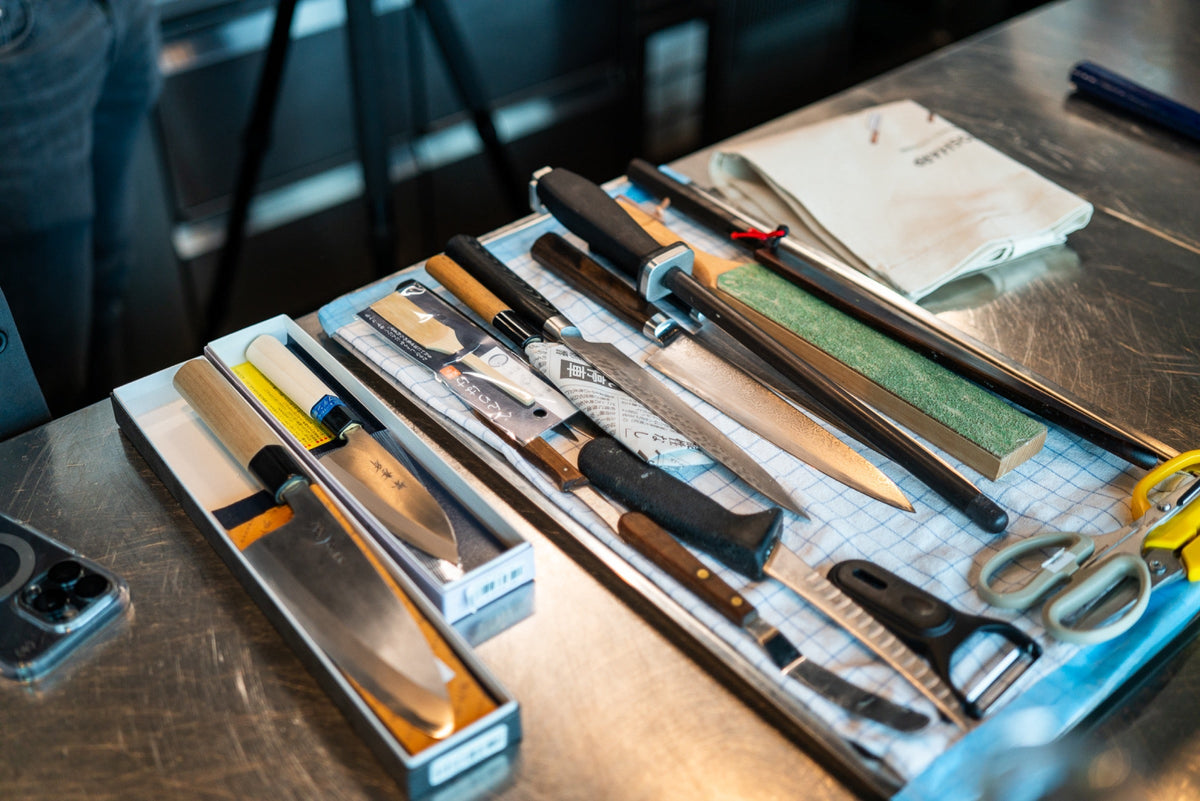
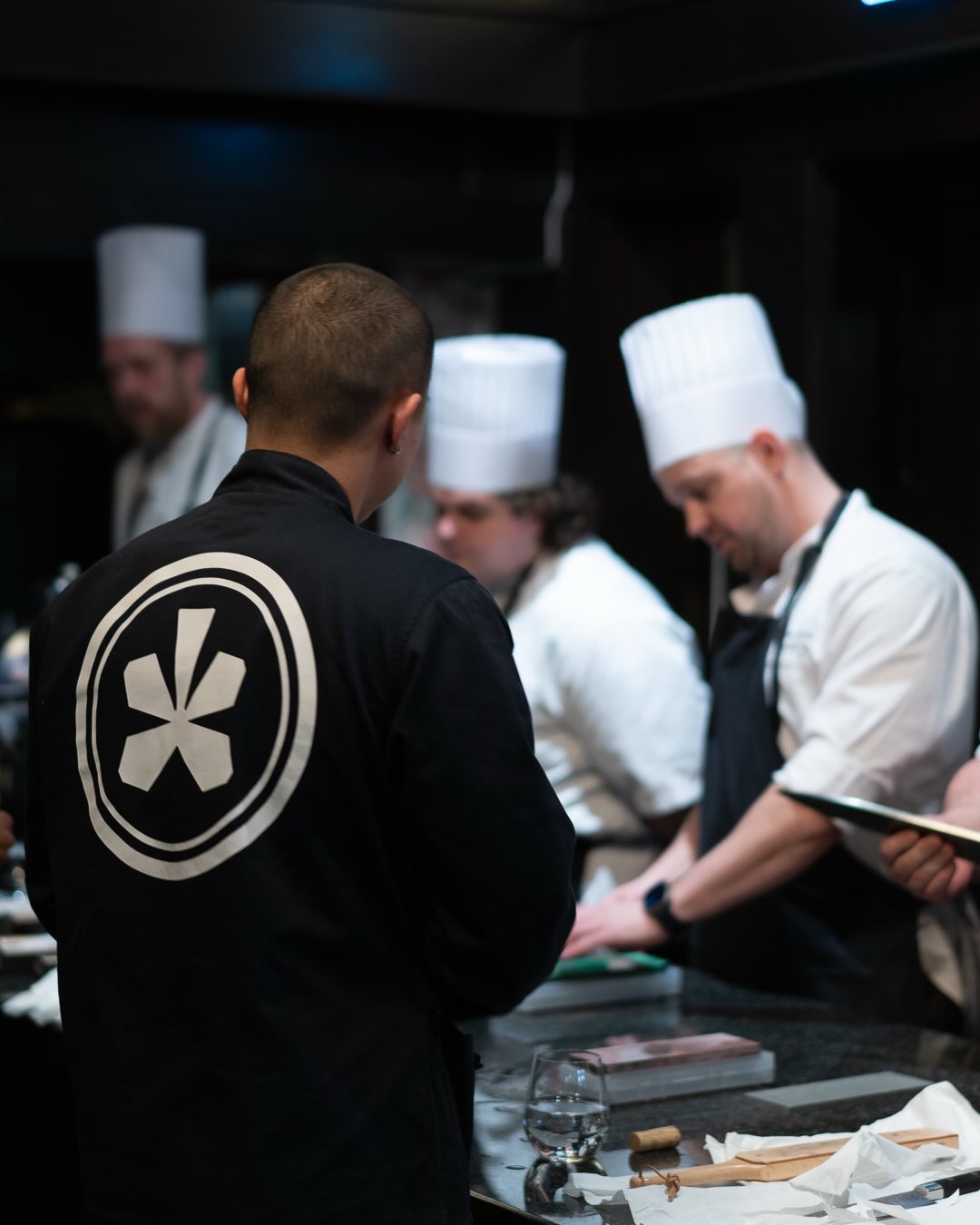
The pro's best friend: from apprentice to the final
From the workshop in Trondheim to cooking competitions and sharpening courses in your kitchen. This is what kitchens with a trade account get.
Read more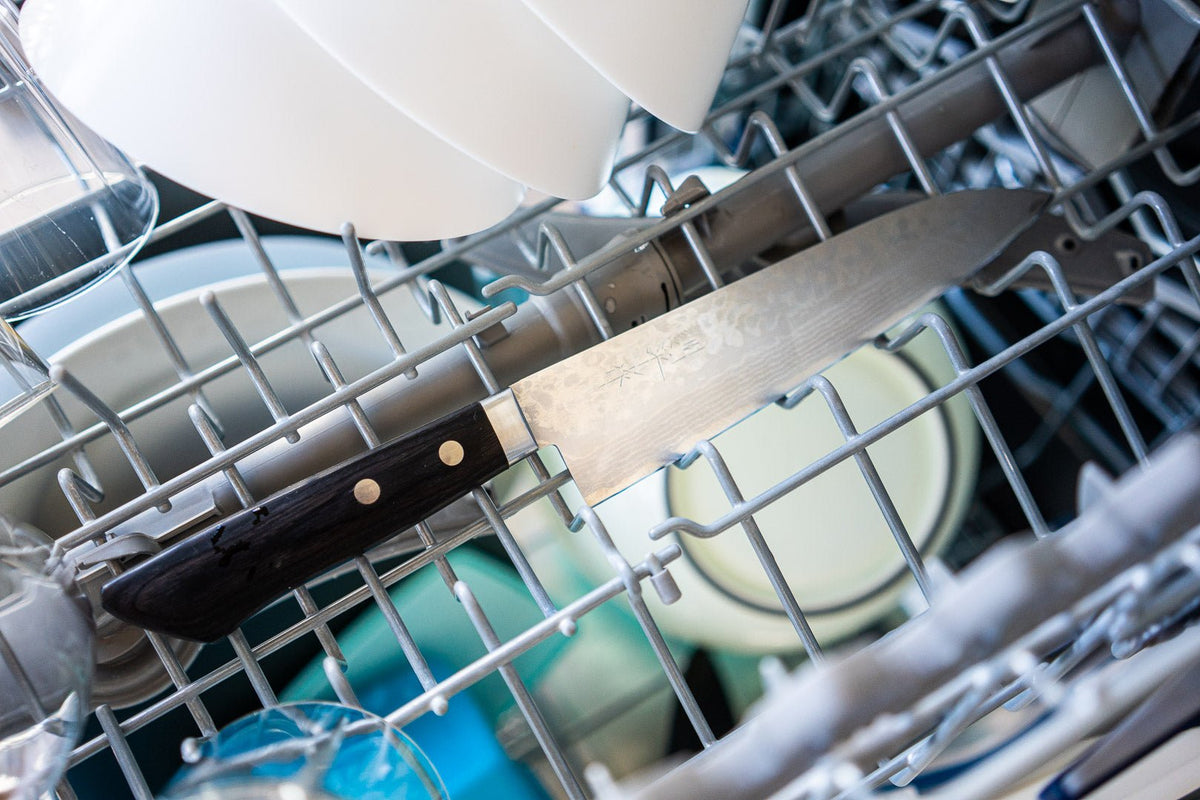
Do knives really go dull in the dishwasher?
The short answer is yes You may have heard that knives should not go in the dishwasher. That is true, and it applies to stainless steel knives as well. Four...
Read more