



Articles
Your first Japanese knife: one chef's knife is enough
Your first Japanese knife should be one chef's knife: a 210 mm gyuto or a santoku, in stainless steel. Here we cover length, handle, Japanese versus German and what to...
Read more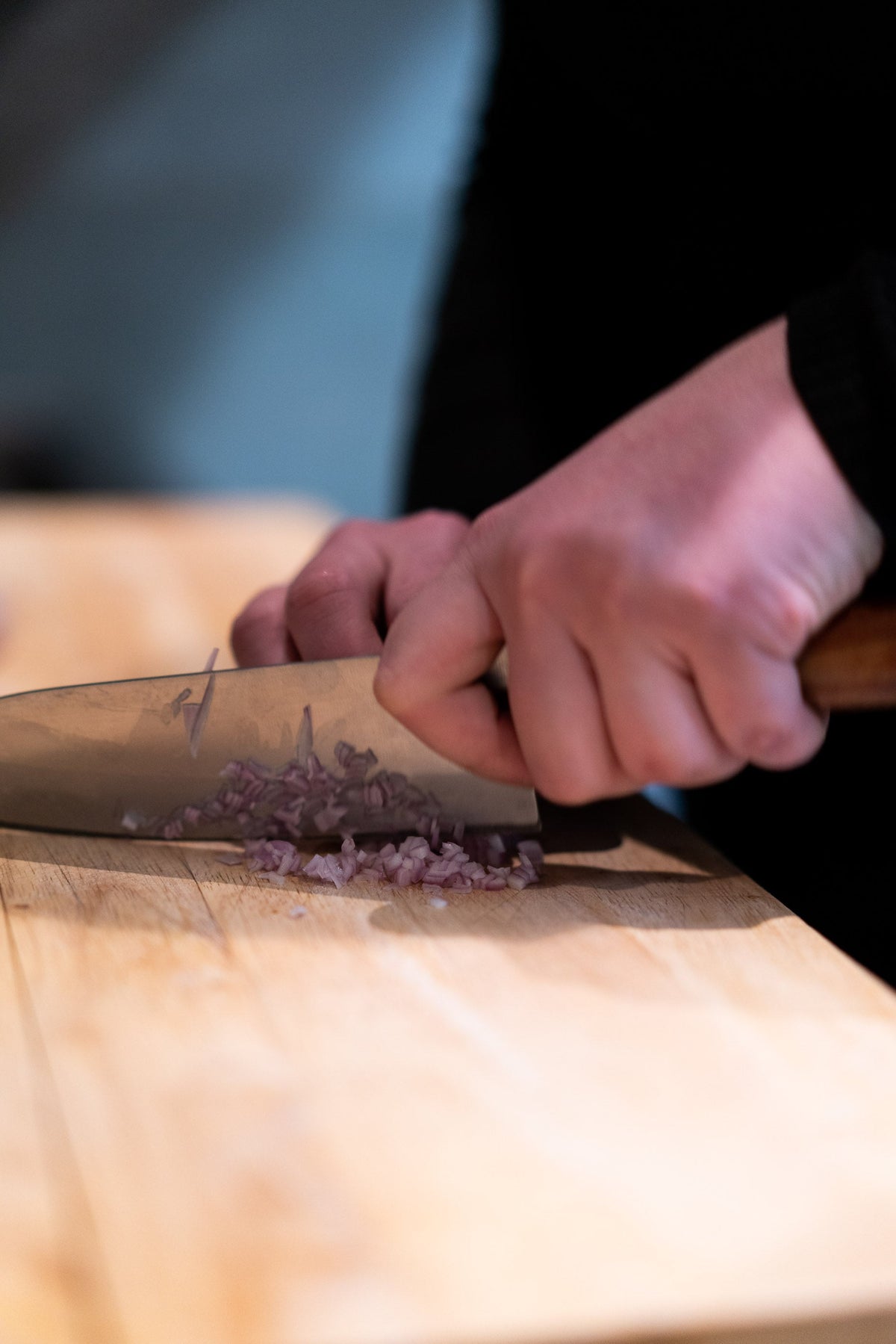
How to hold and use a chef's knife
The pinch grip, the claw hand and the three motions. With them you dice onion and cut herbs and tomato without crushing anything and without your fingers in the way.
Read more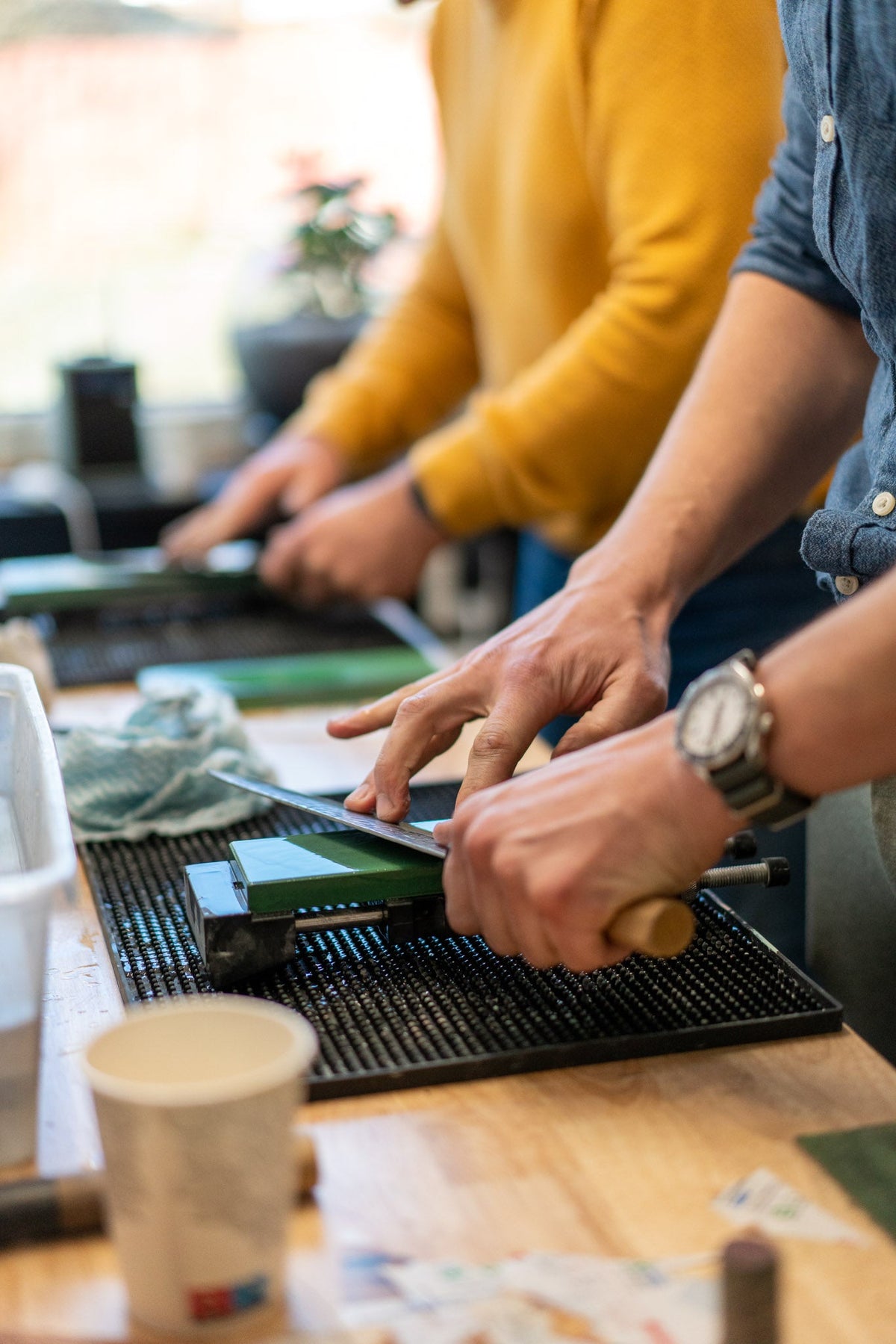
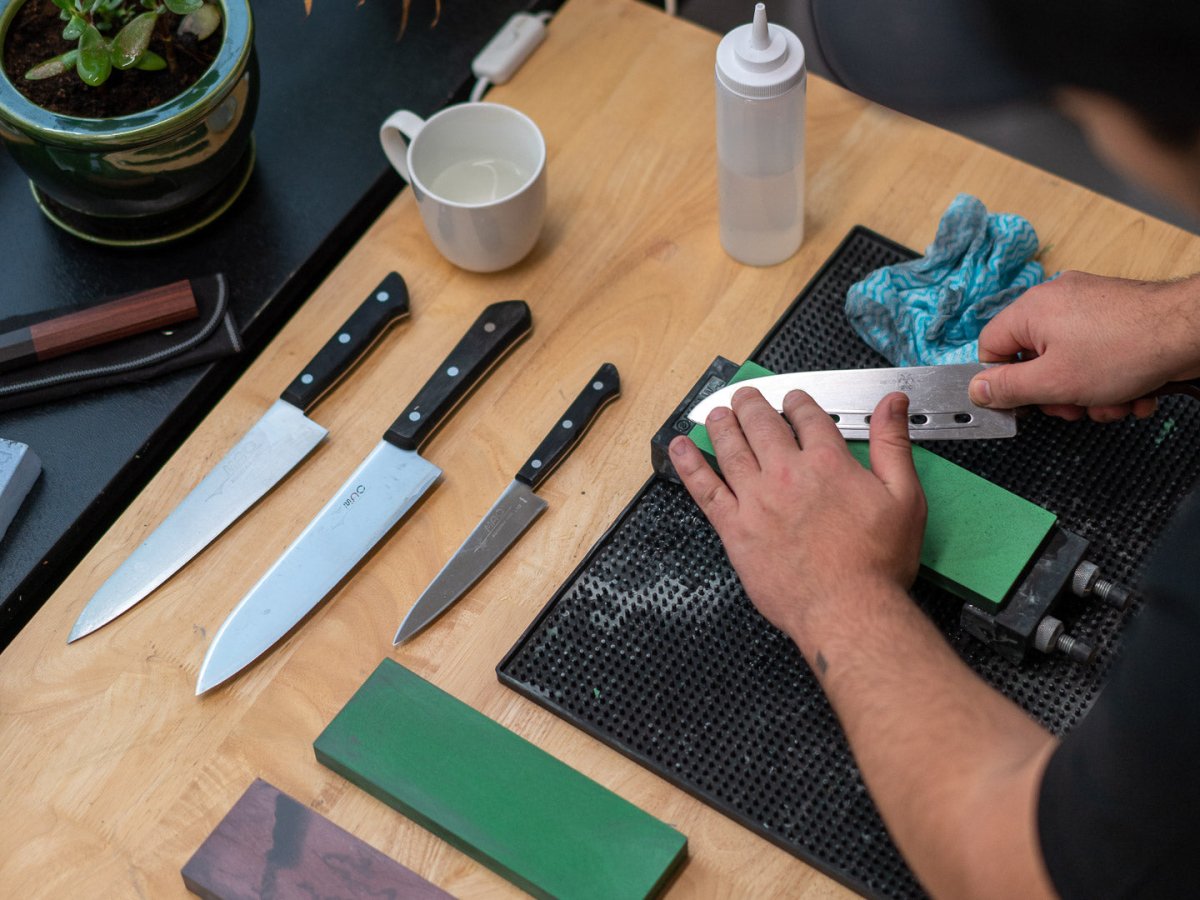
How to sharpen your knife on a whetstone
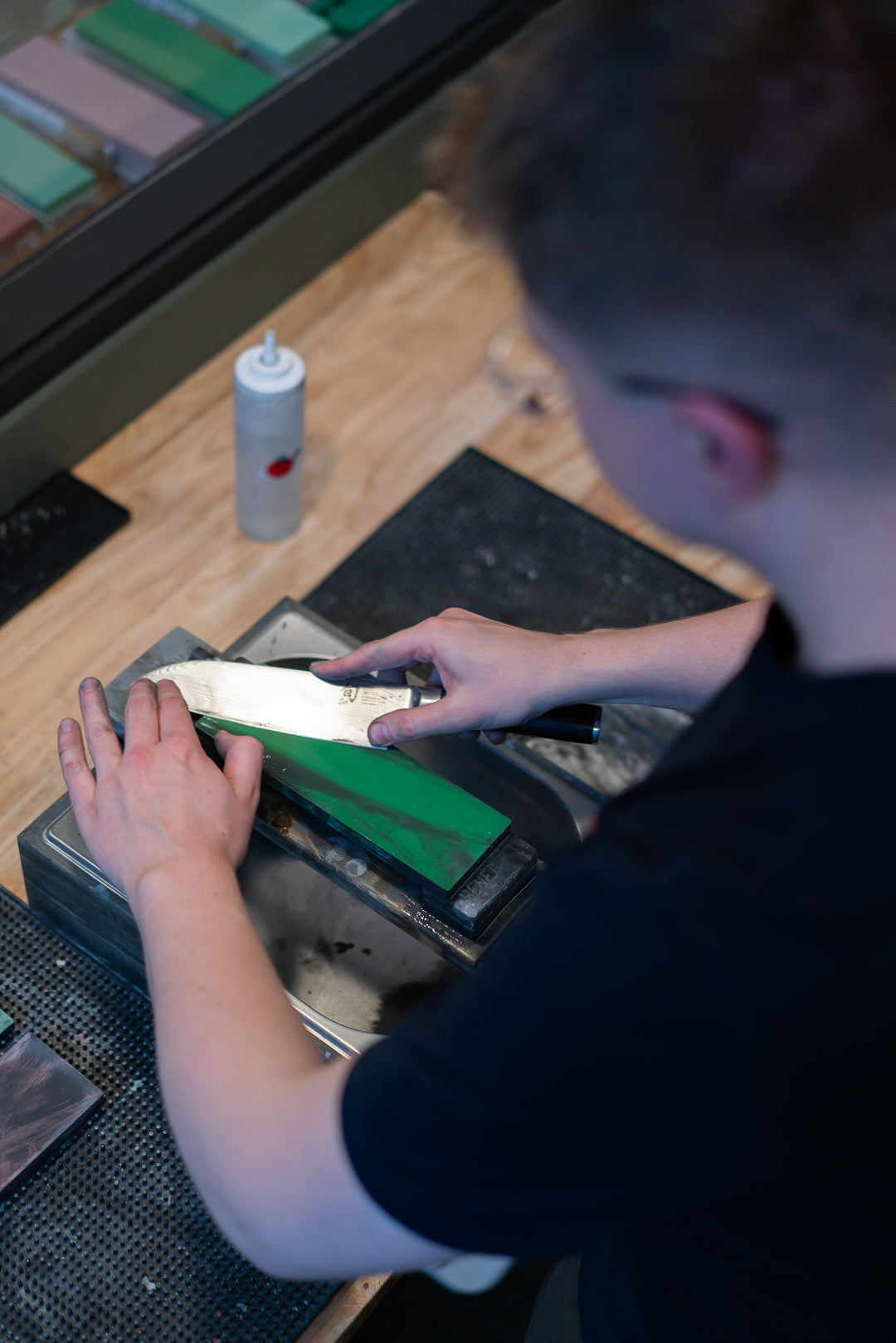
One stone, water and an angle you hold. How to sharpen the knife yourself, step by step, and when it pays to send it to the workshop.
Read more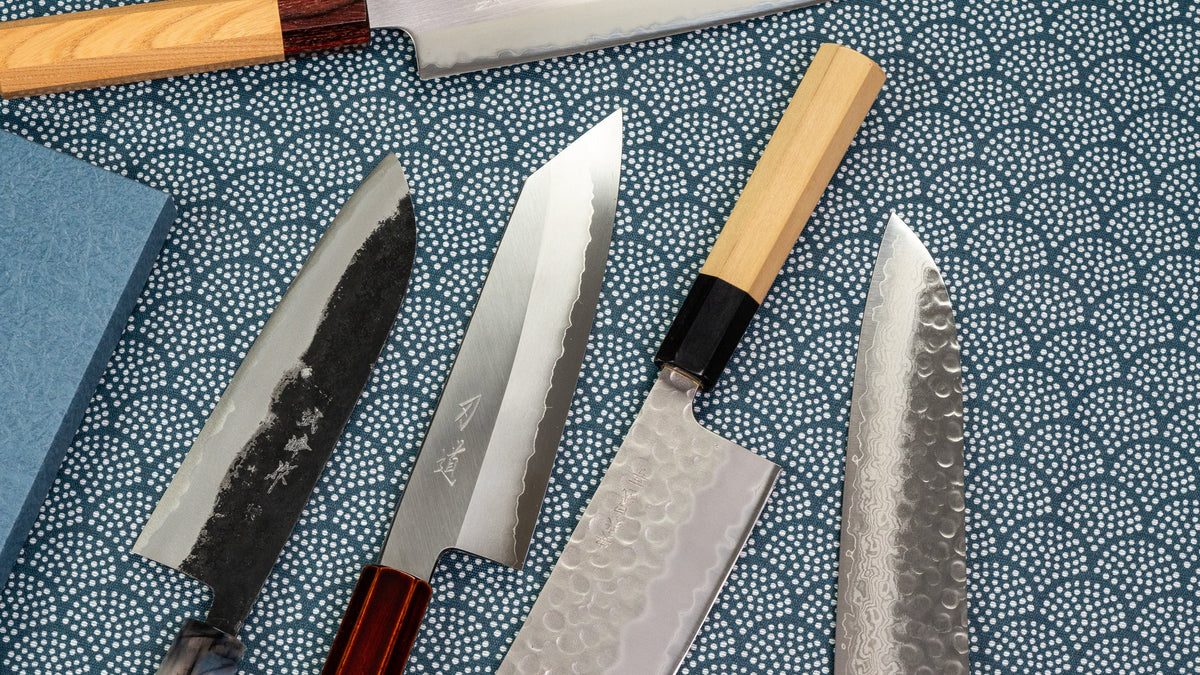
Carbon steel or stainless: the steel in your knife explained
Carbon steel gets the sharpest and is the easiest to sharpen, stainless copes with a busy kitchen. Hardness, patina, rust and care, and who should choose which.
Read more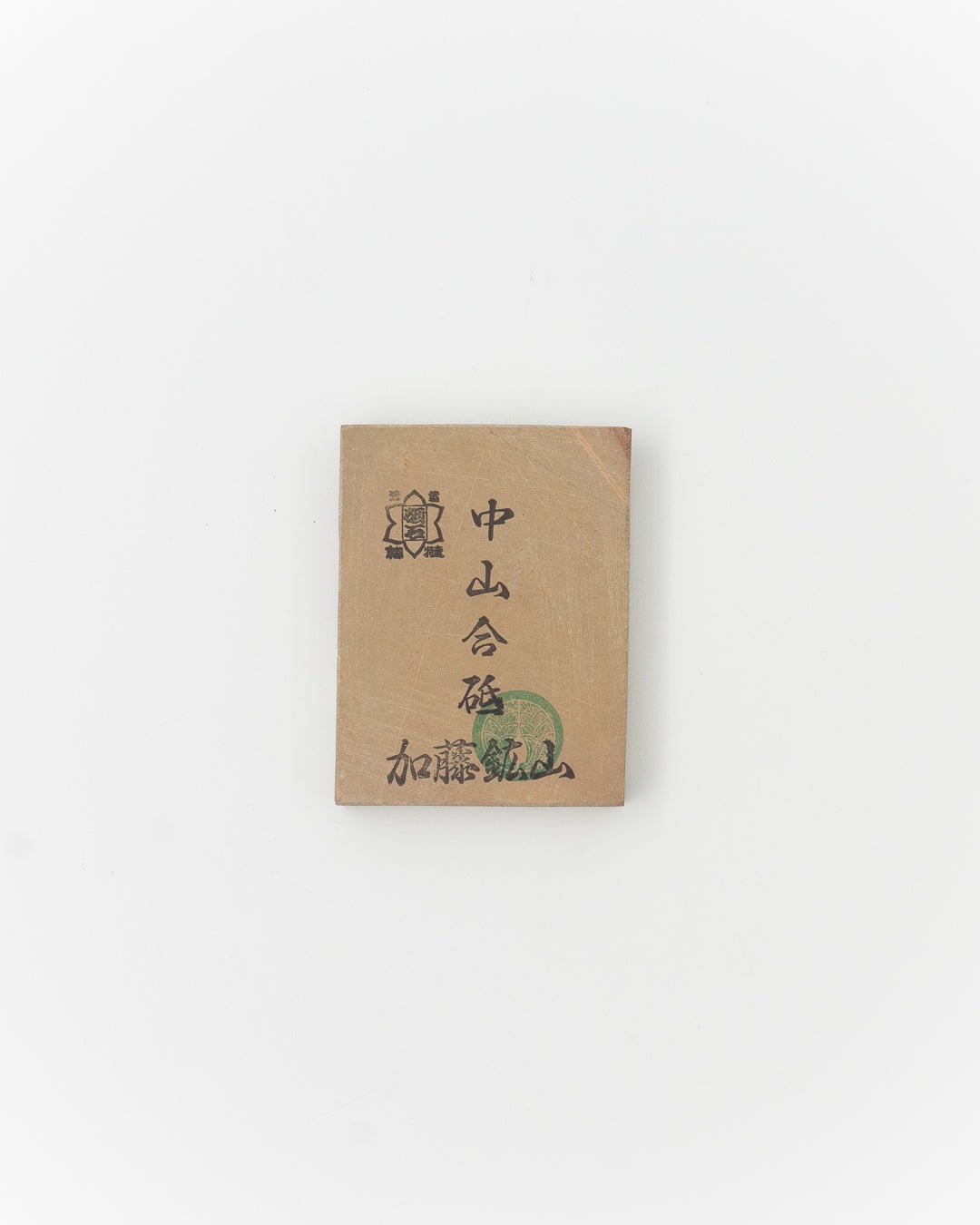
Natural whetstones: the stones from the mountains near Kyoto
Japanese natural whetstones are quarried in the mountains north of Kyoto and have no grit scale. How they differ from synthetic stones, and when they are worth it.
Read more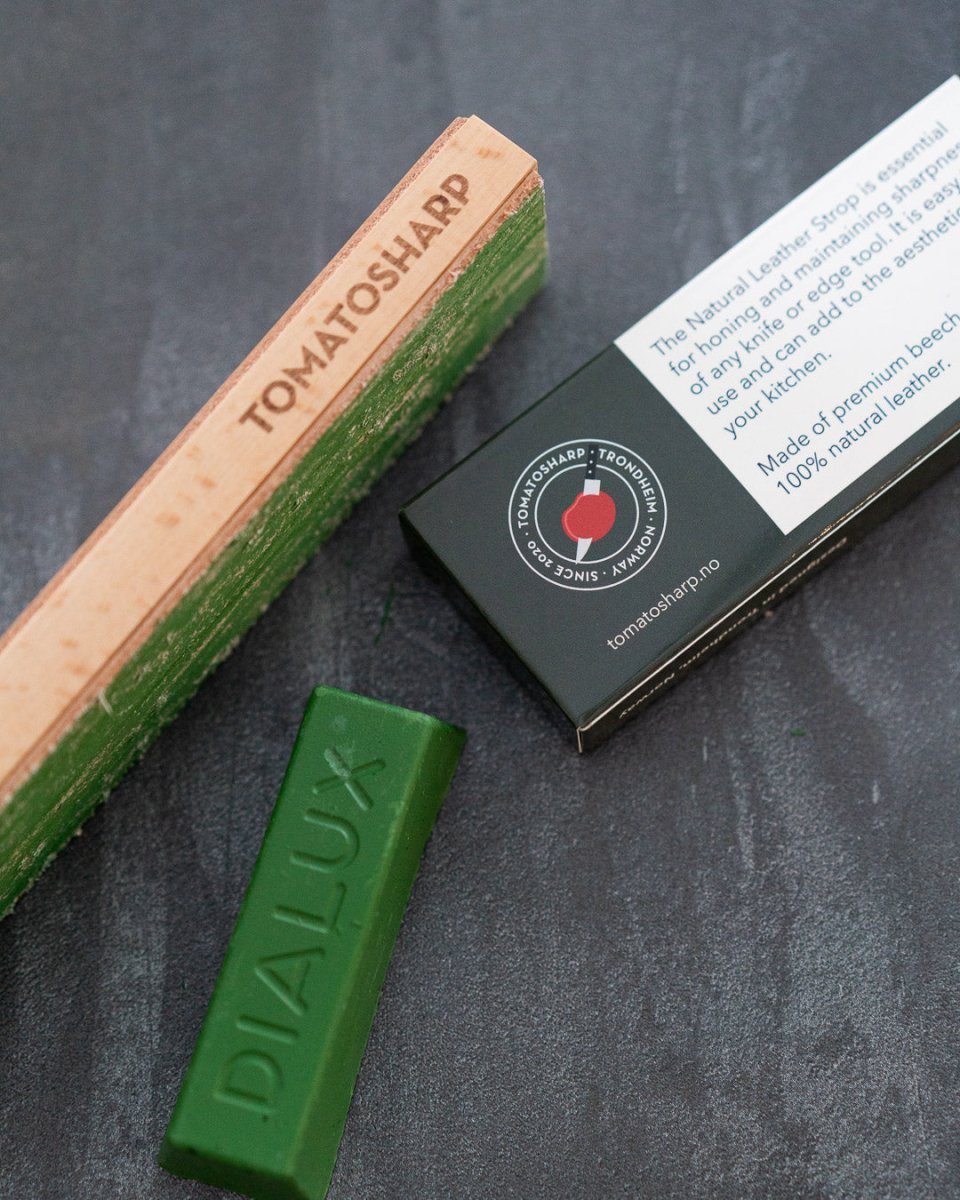
Leather strop and honing rod: keeping the edge between sharpenings
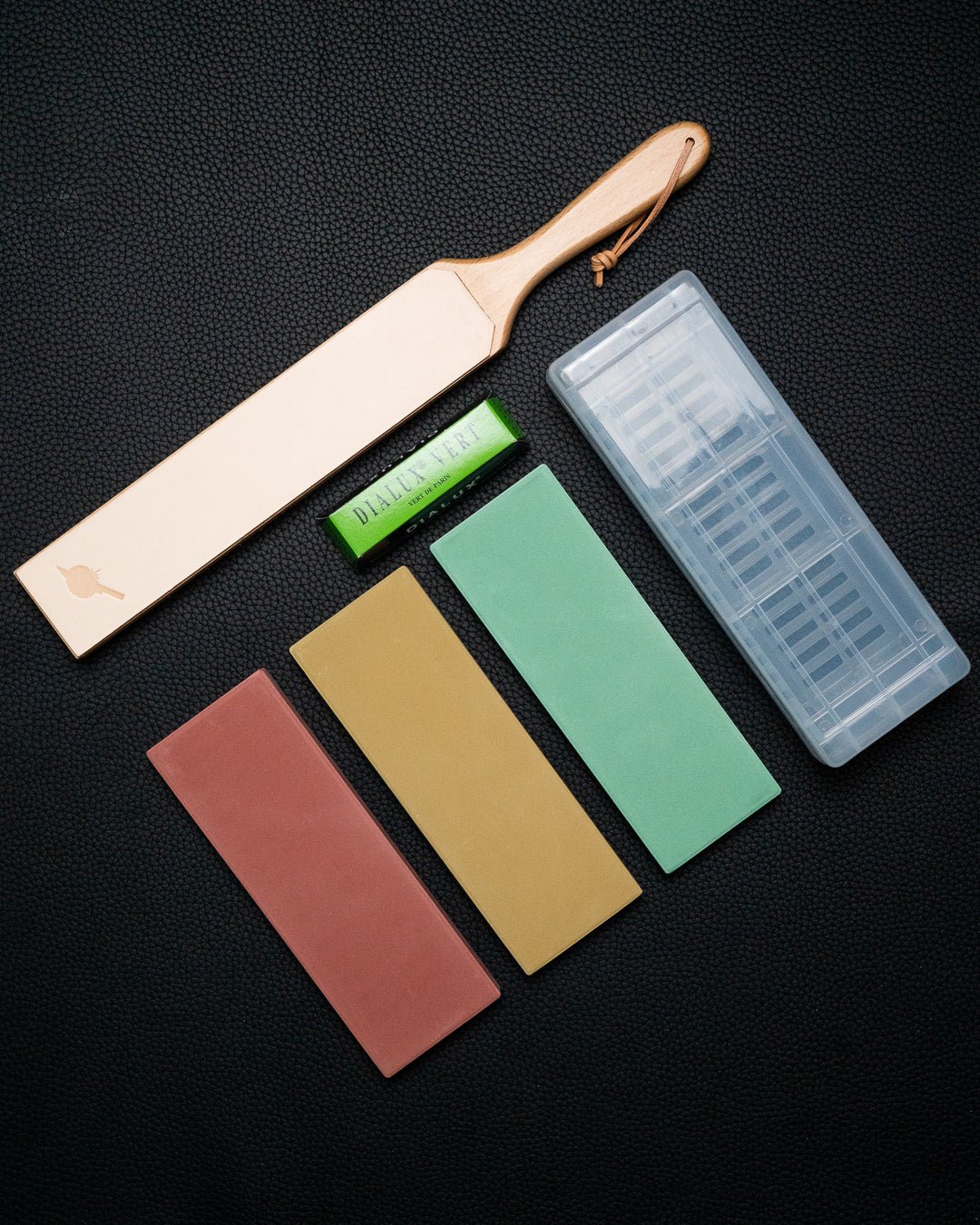
The strop and the rod straighten the edge, they do not make a new one. How to use them on a Japanese knife, and how to tell when it needs...
Read more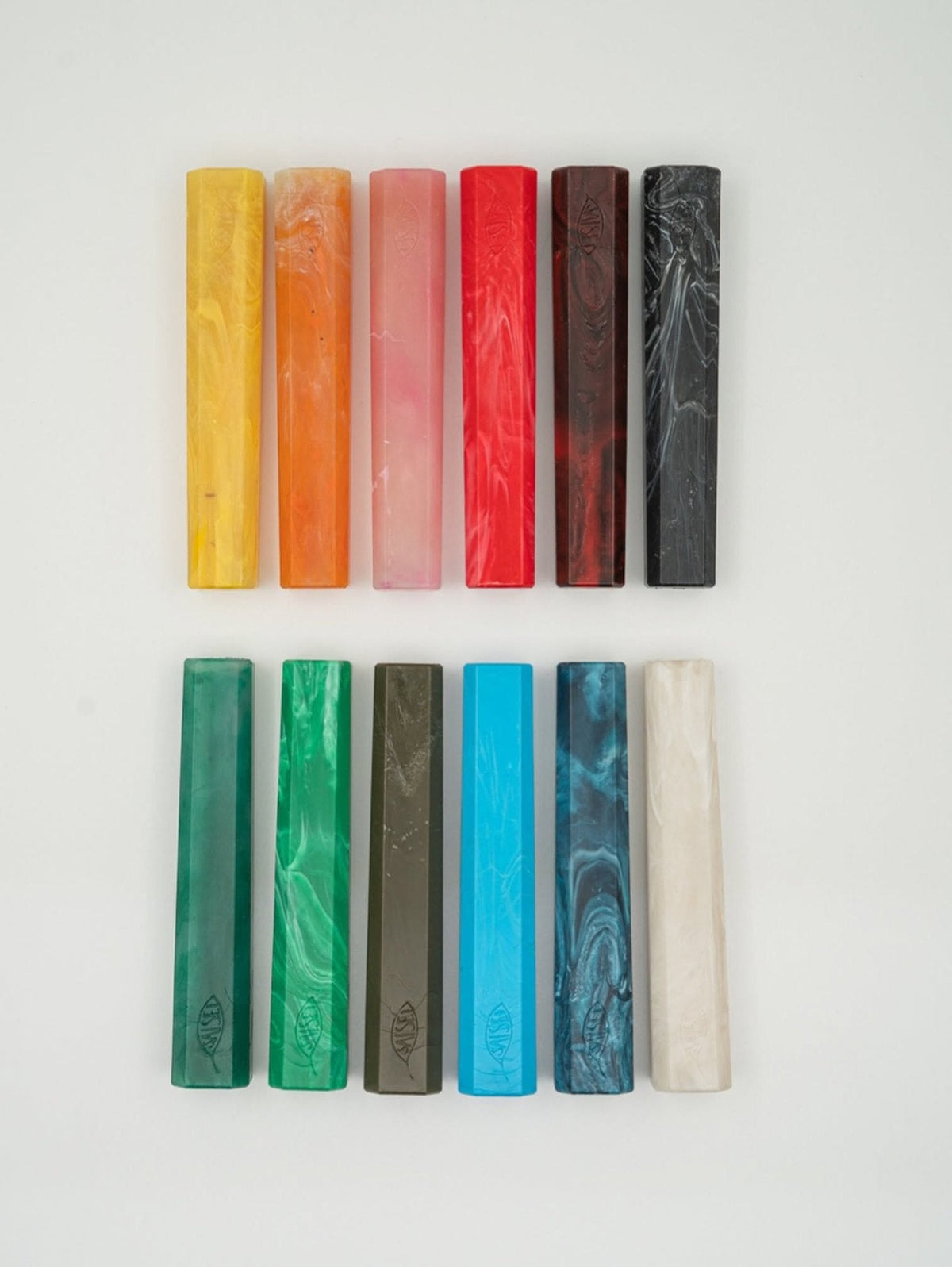
Wa handle: the wooden handle on Japanese knives
The wa handle is light, sits on the tang without rivets and can be replaced when it wears out. The shapes, the woods and what a new handle costs.
Read more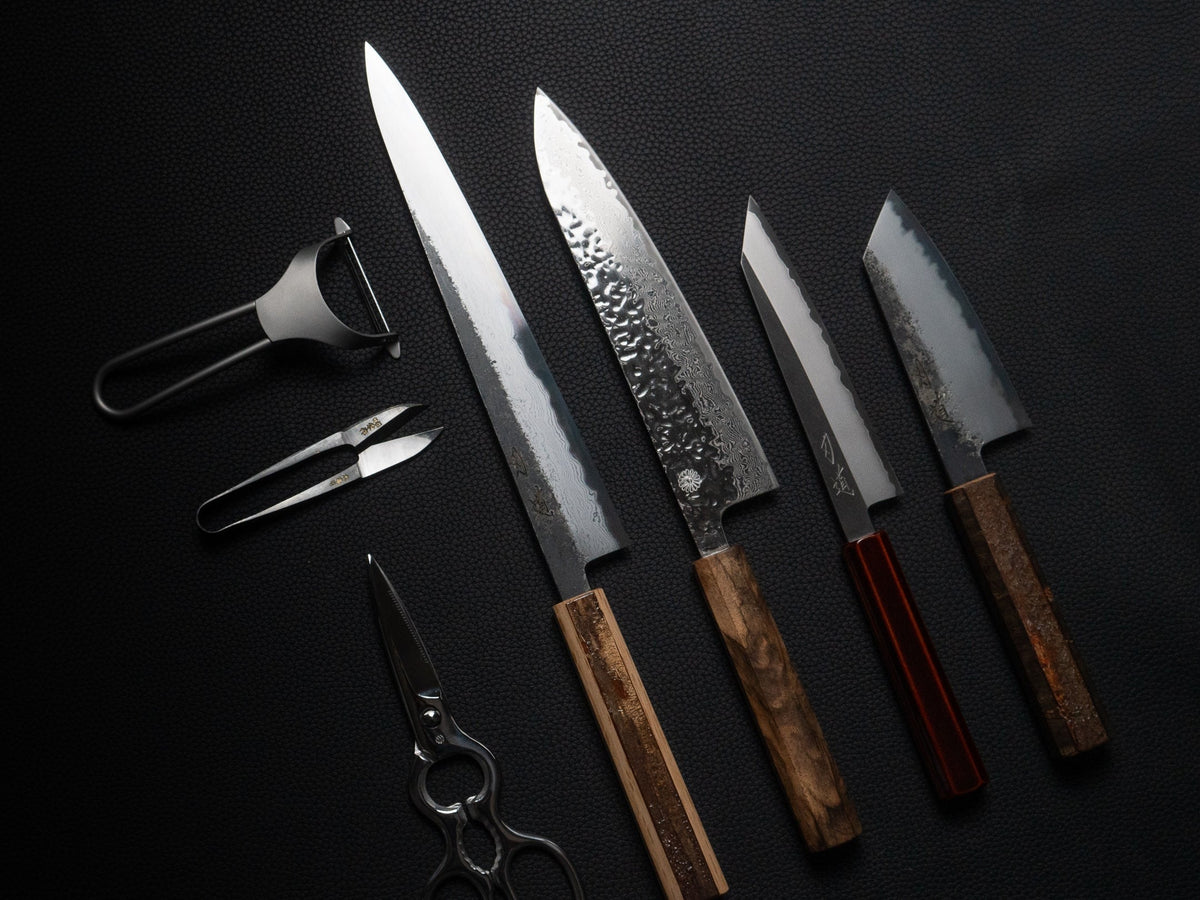
San mai: Japanese knives built in layers
Most Japanese knives have a hard core between two layers of softer steel. How san mai, ni mai and warikomi are built, and what the layers mean for sharpening.
Read more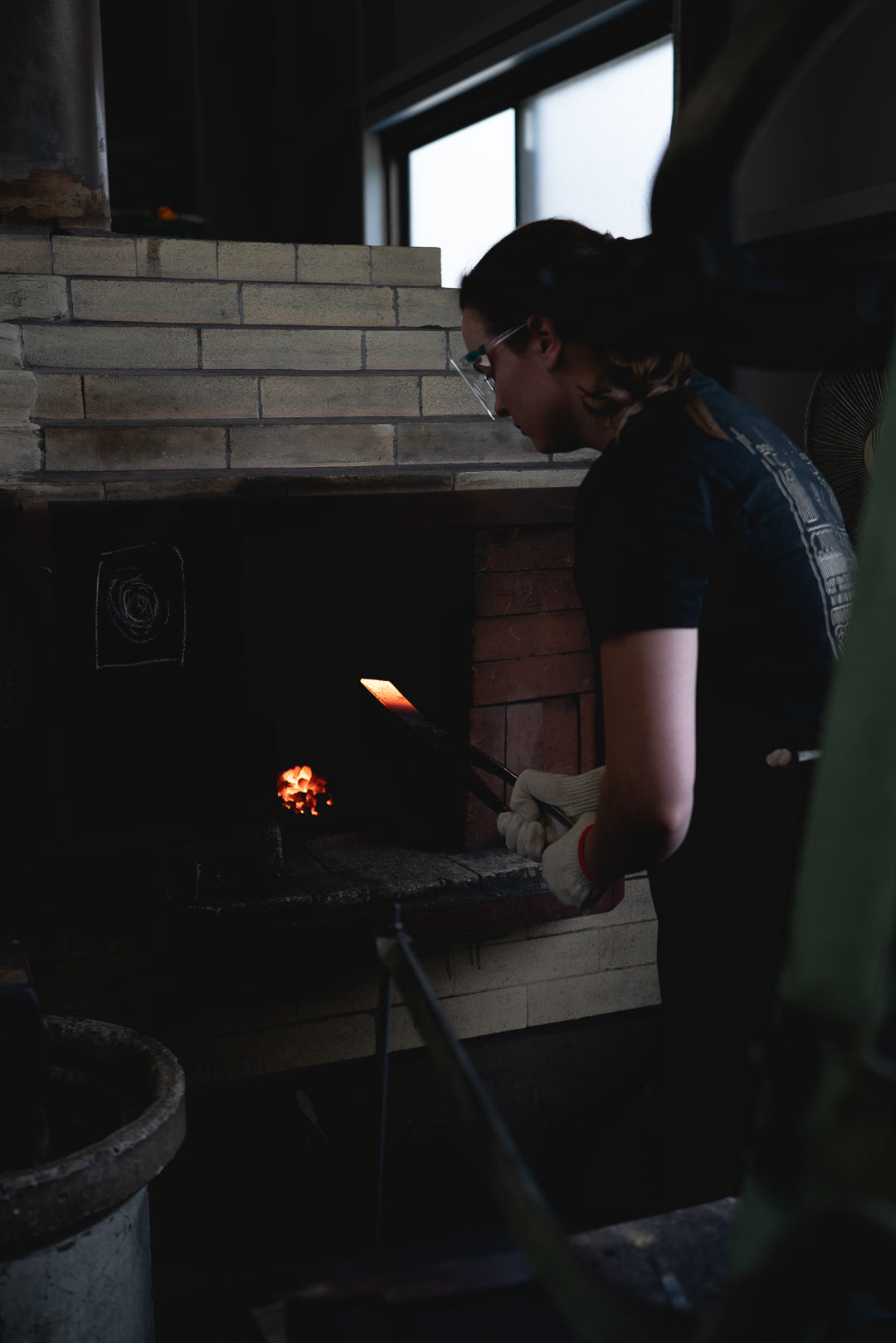
Honyaki: the knife made from one piece of steel
A honyaki is a Japanese knife forged from one piece of steel, where clay and water give a hard edge and a tough spine. How it is made, and what...
Read more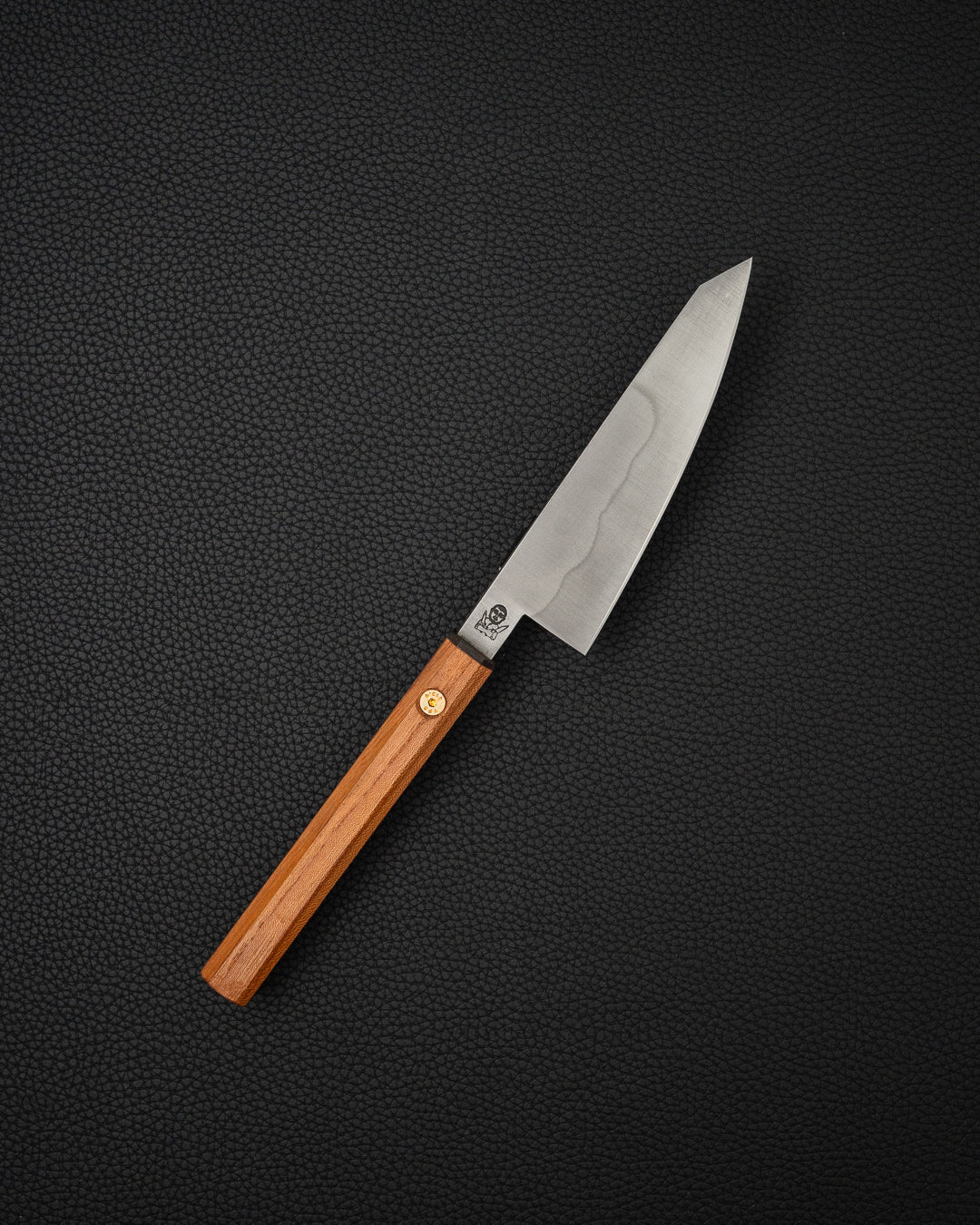
Honesuki: the boning knife for chicken and poultry
The honesuki is the Japanese boning knife for poultry. How to joint a chicken with it, and what it cannot take.
Read more
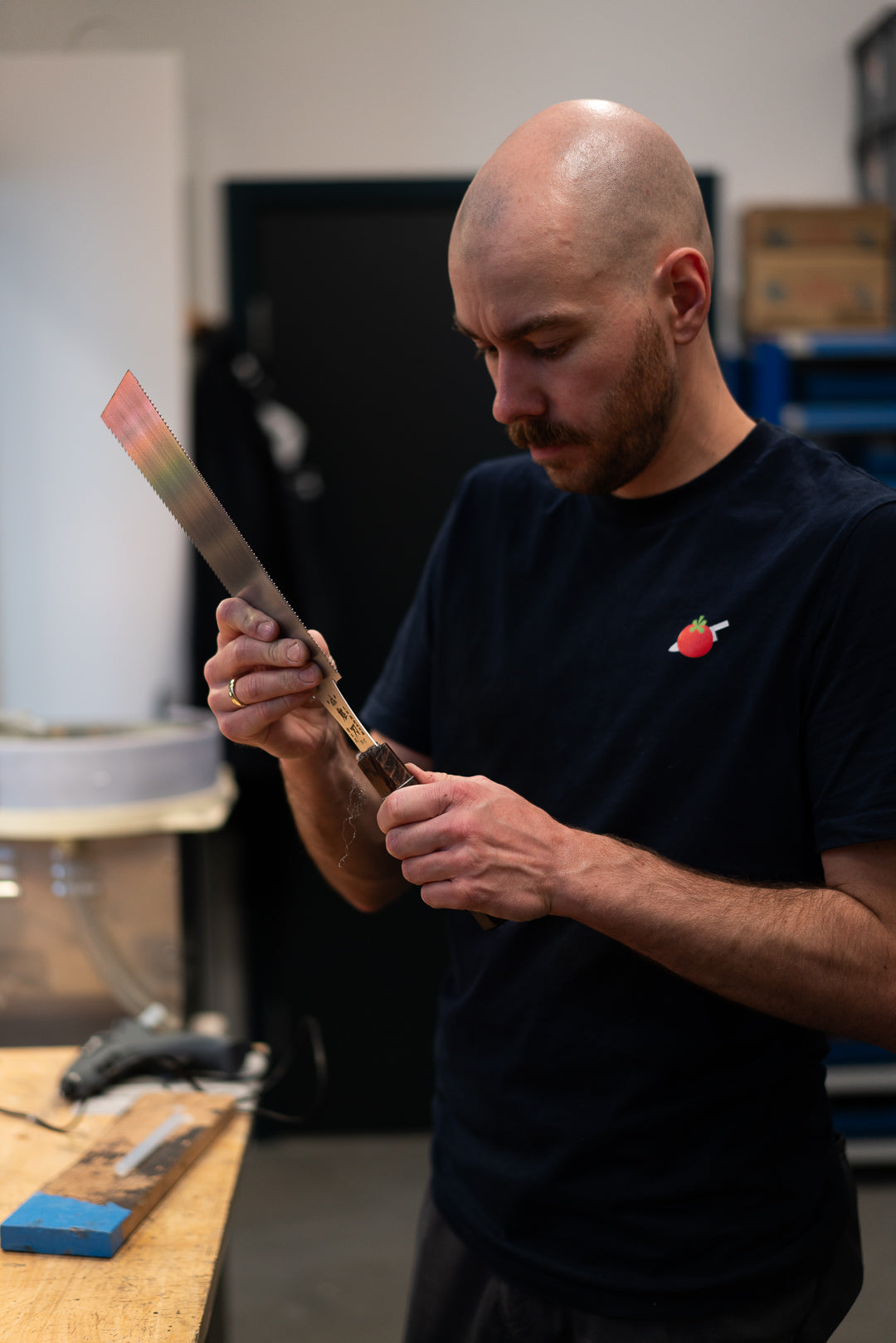
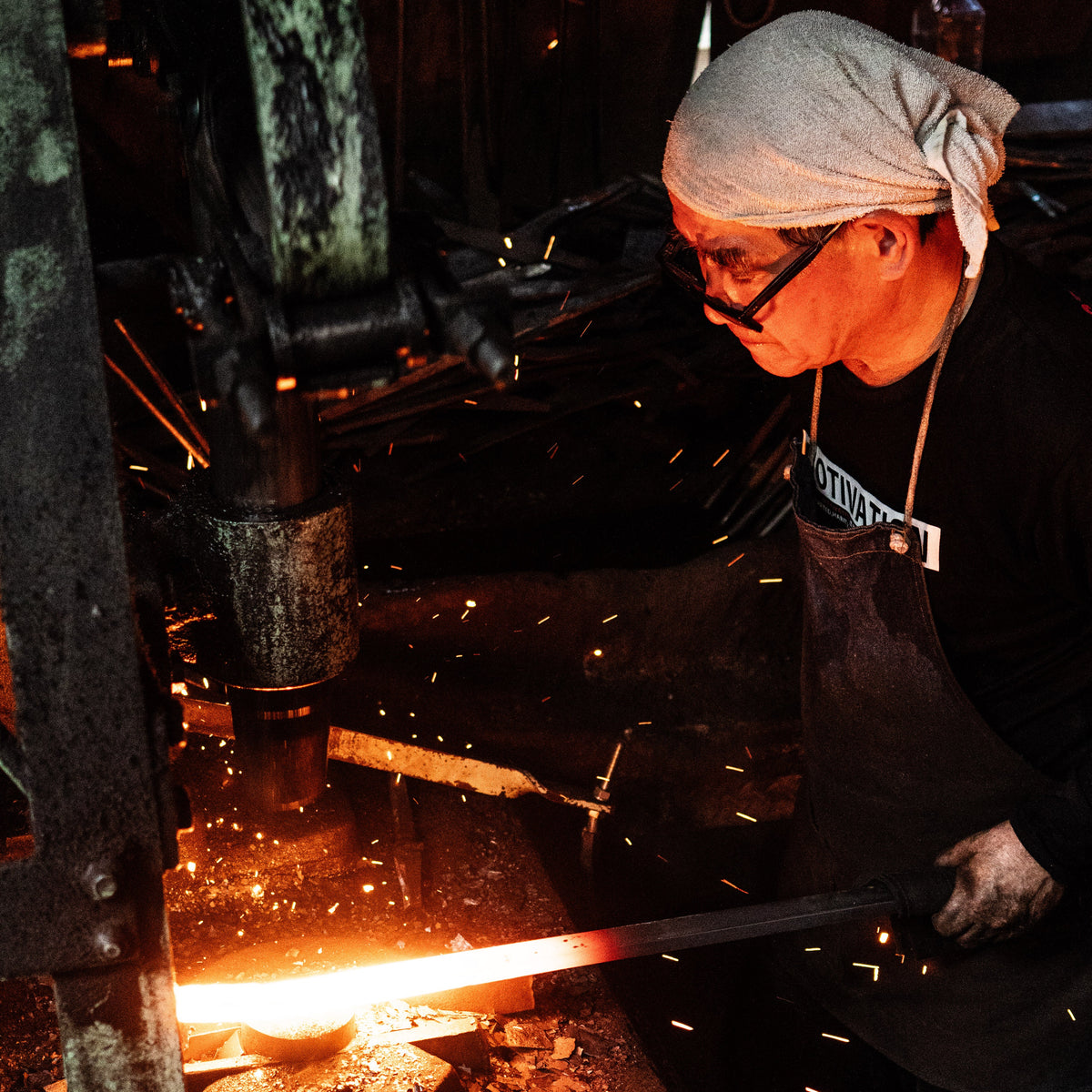
How a Japanese knife is made: from steel to handle
A Japanese knife passes through the forge, heat treatment, the grinding wheel and the handle maker. What each step does to the knife you end up with.
Read more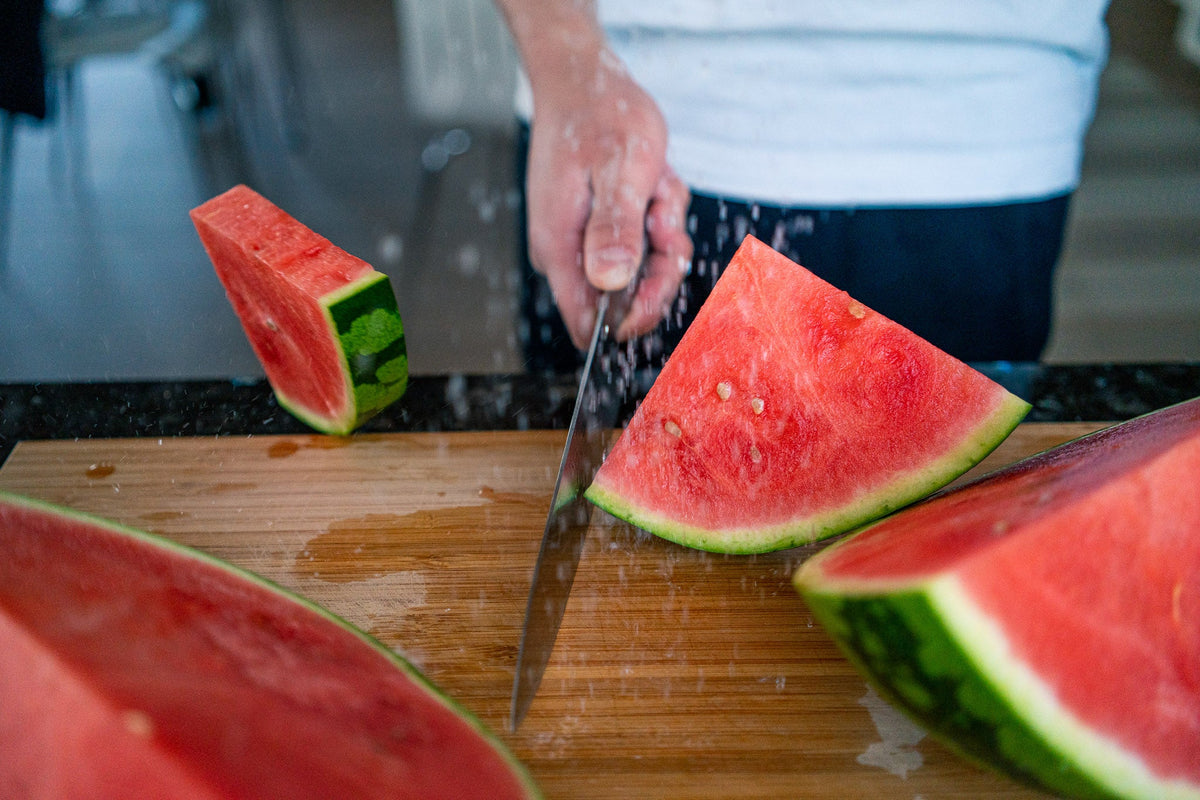
Japanese or German knife: the differences that matter
Japanese knives are harder and thinner, German ones take more punishment. The differences in steel, angle, weight and care, and when the German knife is the right choice.
Read more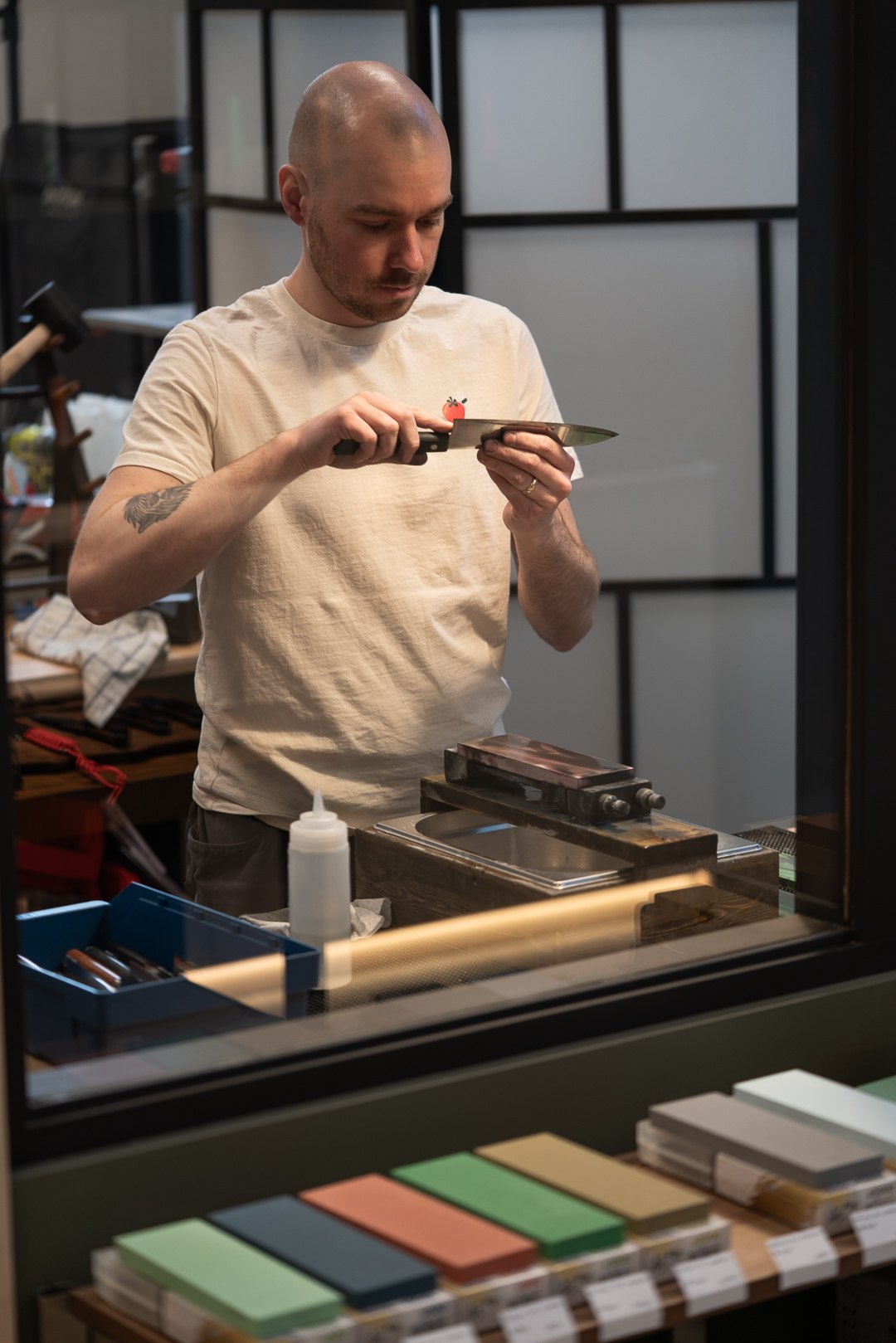
Knife sharpening prices: NOK 149 and NOK 249 per knife
Knife sharpening costs NOK 149 per knife for standard sharpening and NOK 249 for whetstone sharpening. This is what affects the price, in the shop and by post.
Read more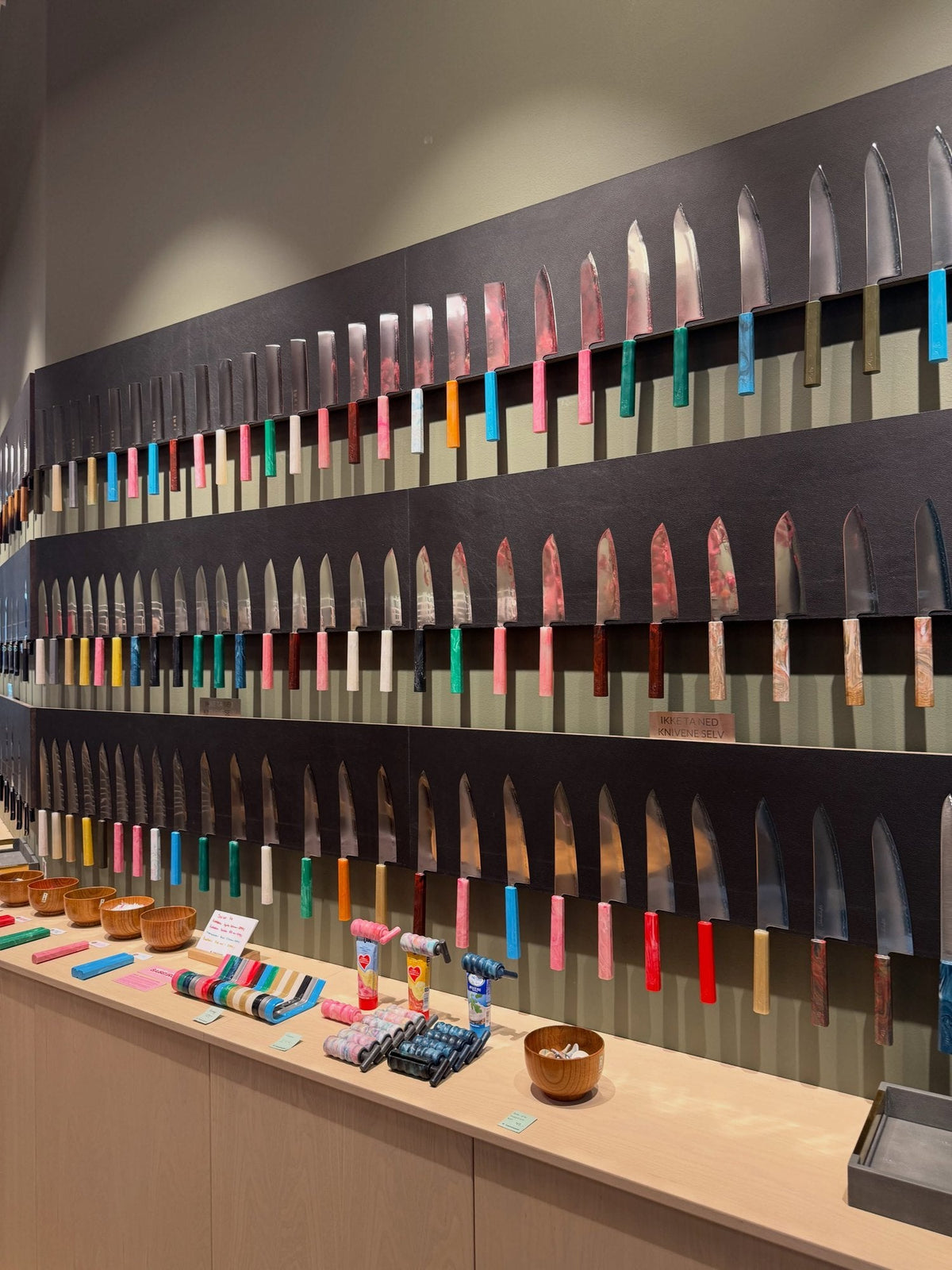
A Japanese knife as a gift: how to choose
A Japanese knife for the home cook, the beginner and the chef, with price levels, engraving, gift cards and 30-day returns on online orders.
Read more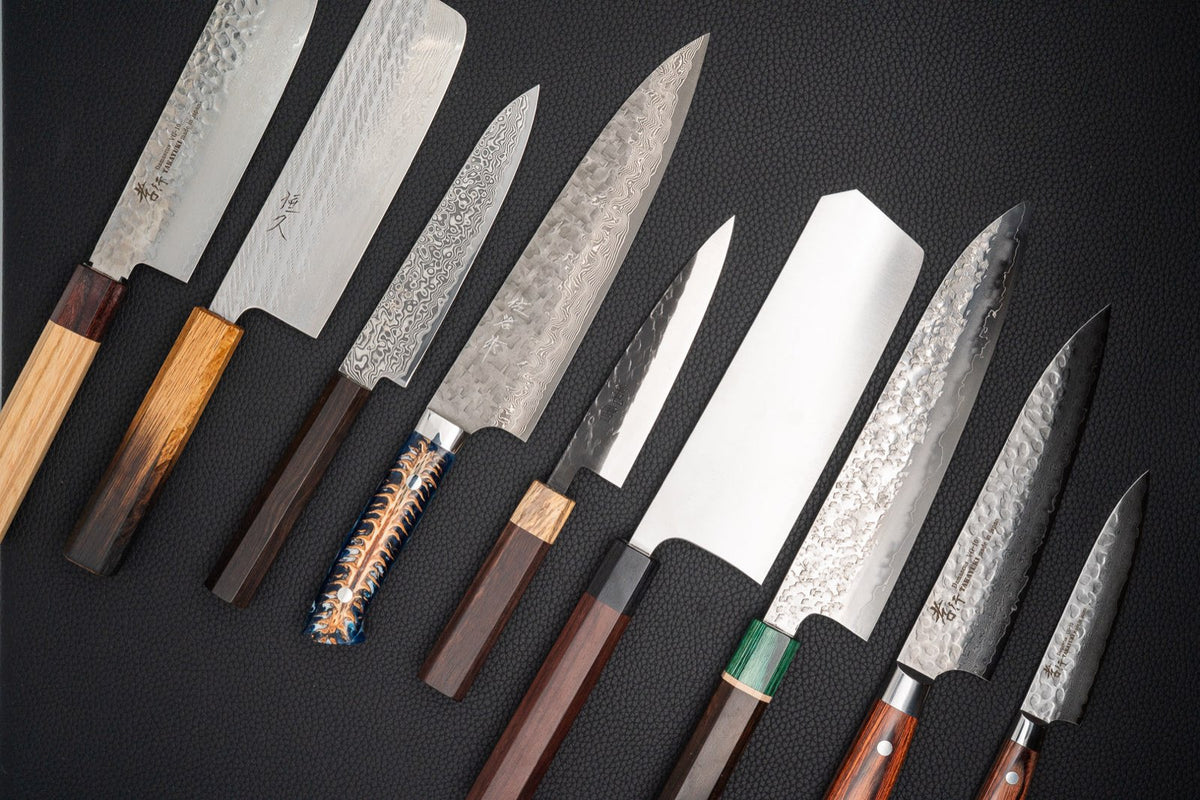
Santoku or gyuto: how to choose
The choice between a gyuto and a santoku depends on how you cut, how big your cutting board is and what you cook most. This is how to find the...
Read more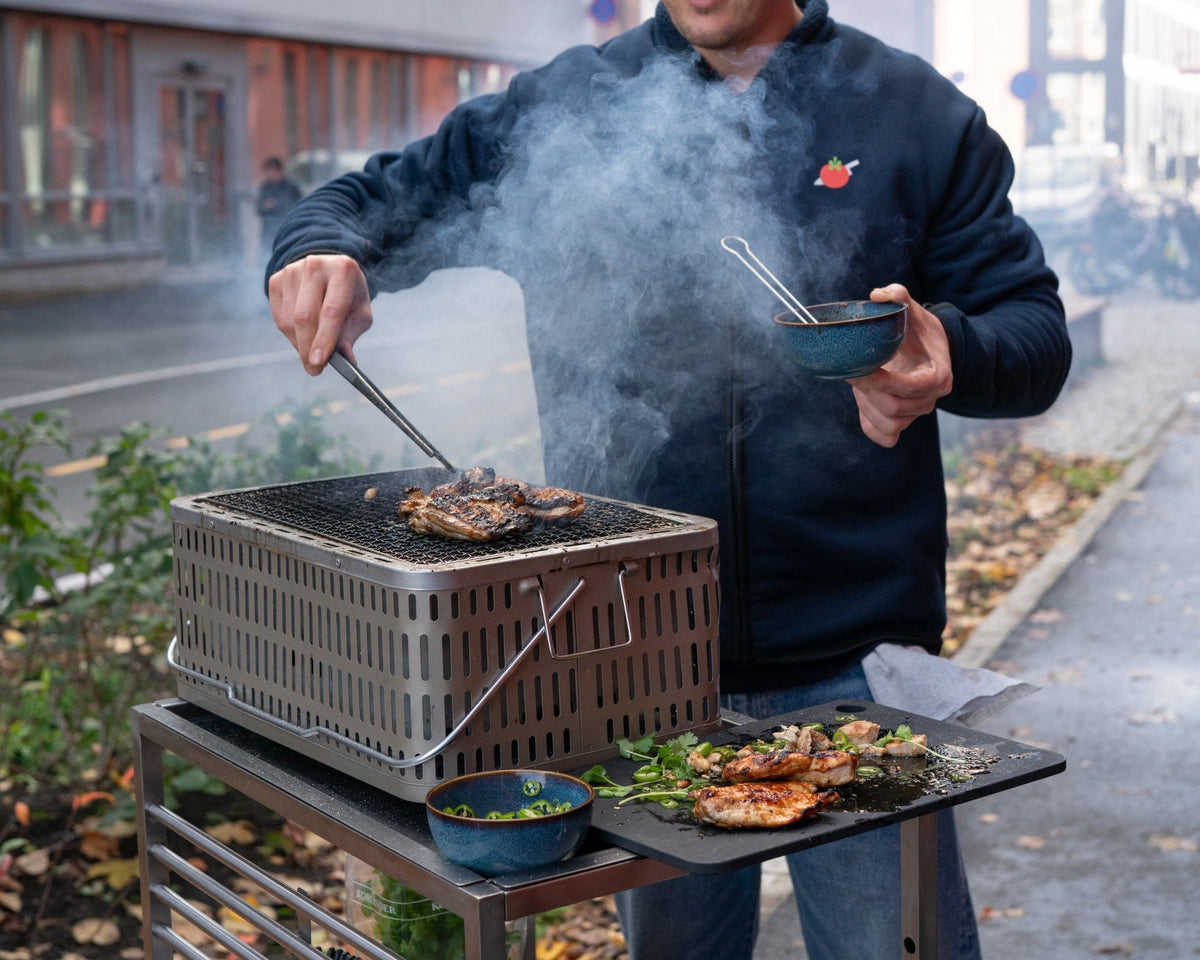
Konro grill at home: charcoal, yakitori and seafood
A konro is a compact Japanese charcoal grill for direct grilling over high heat. Here is the charcoal, yakitori with a tare recipe, and seafood and vegetables.
Read more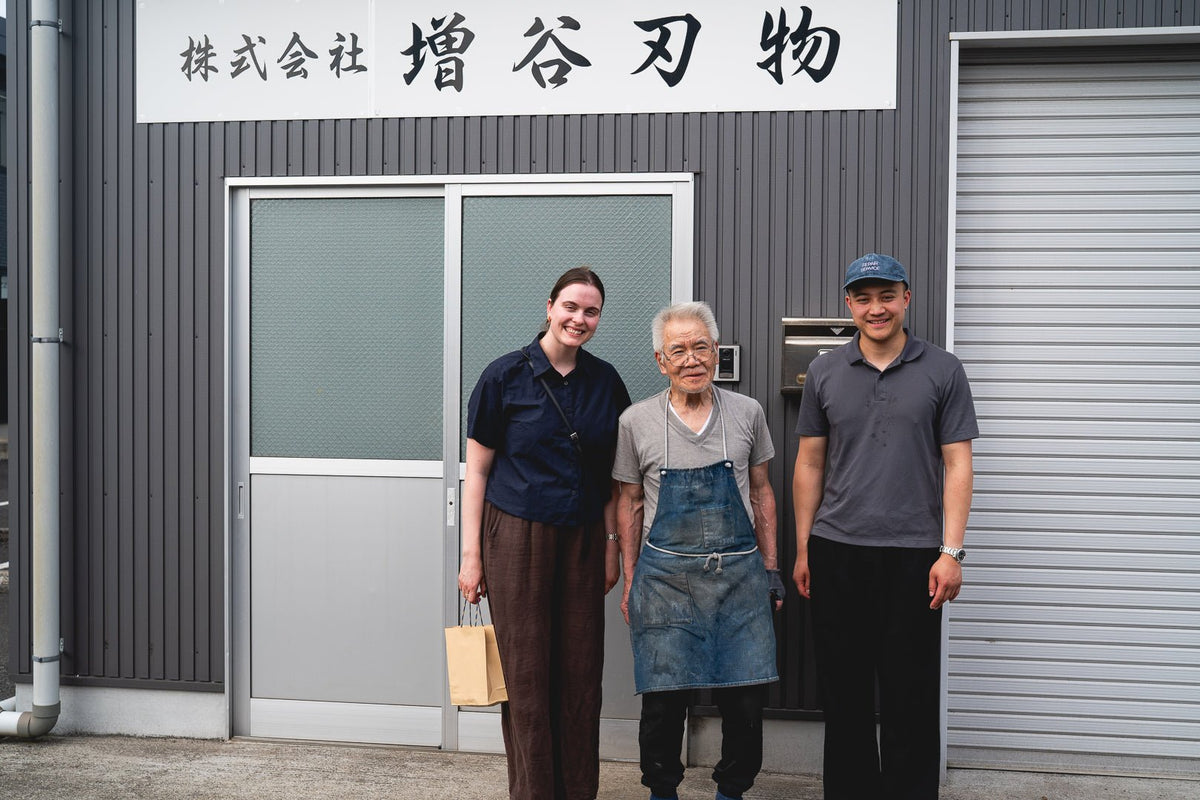
Why are Japanese knives so often sold out?
The knife you wanted is sold out, again. Here is why it happens so often with Japanese knives, and what you can do to get hold of it.
Read more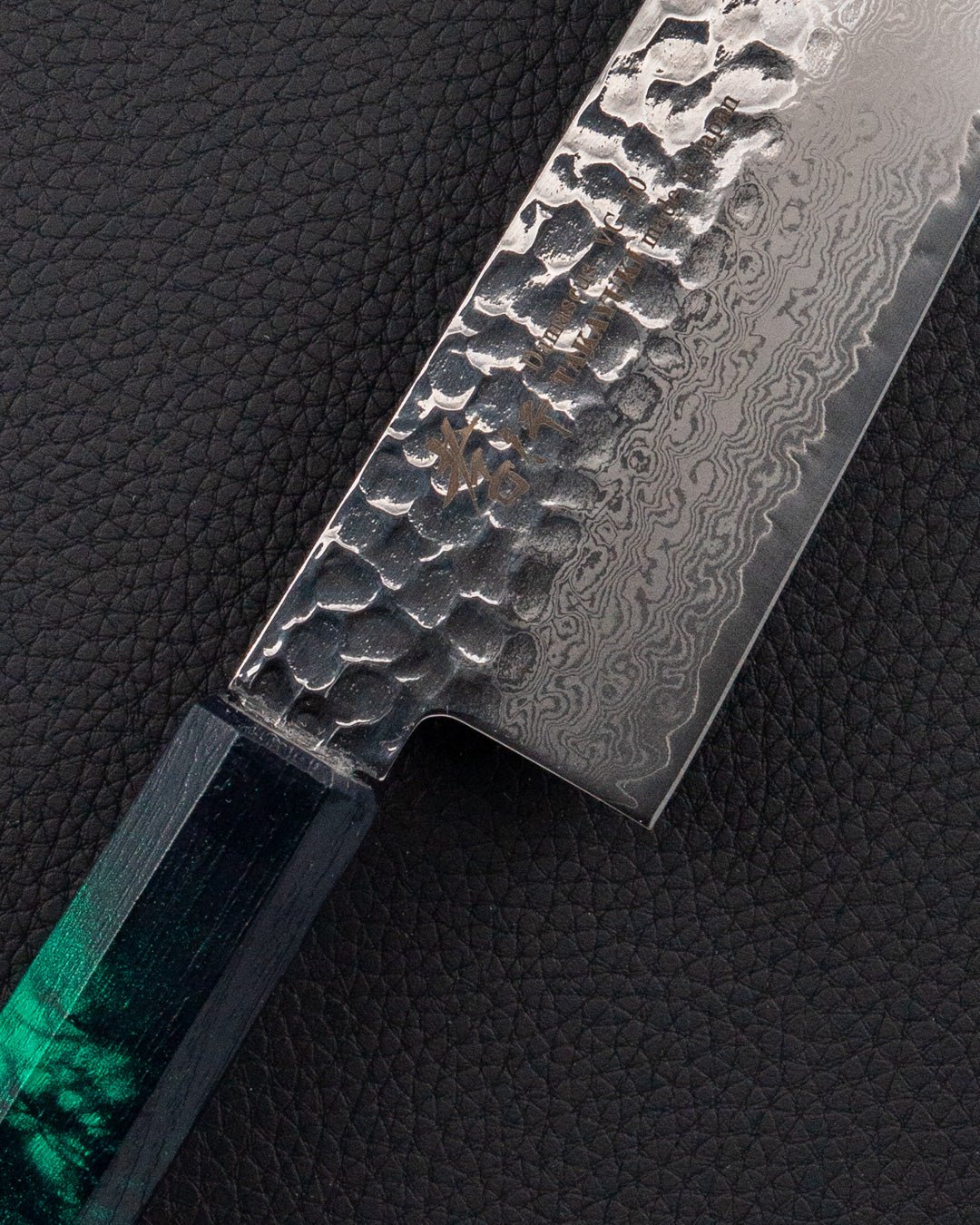
VG10 and Ginsan: two stainless steels
VG10 and Ginsan are two of the most widely used stainless steels in Japanese knives. VG10 is made for low maintenance, Ginsan sharpens almost like carbon steel.
Read more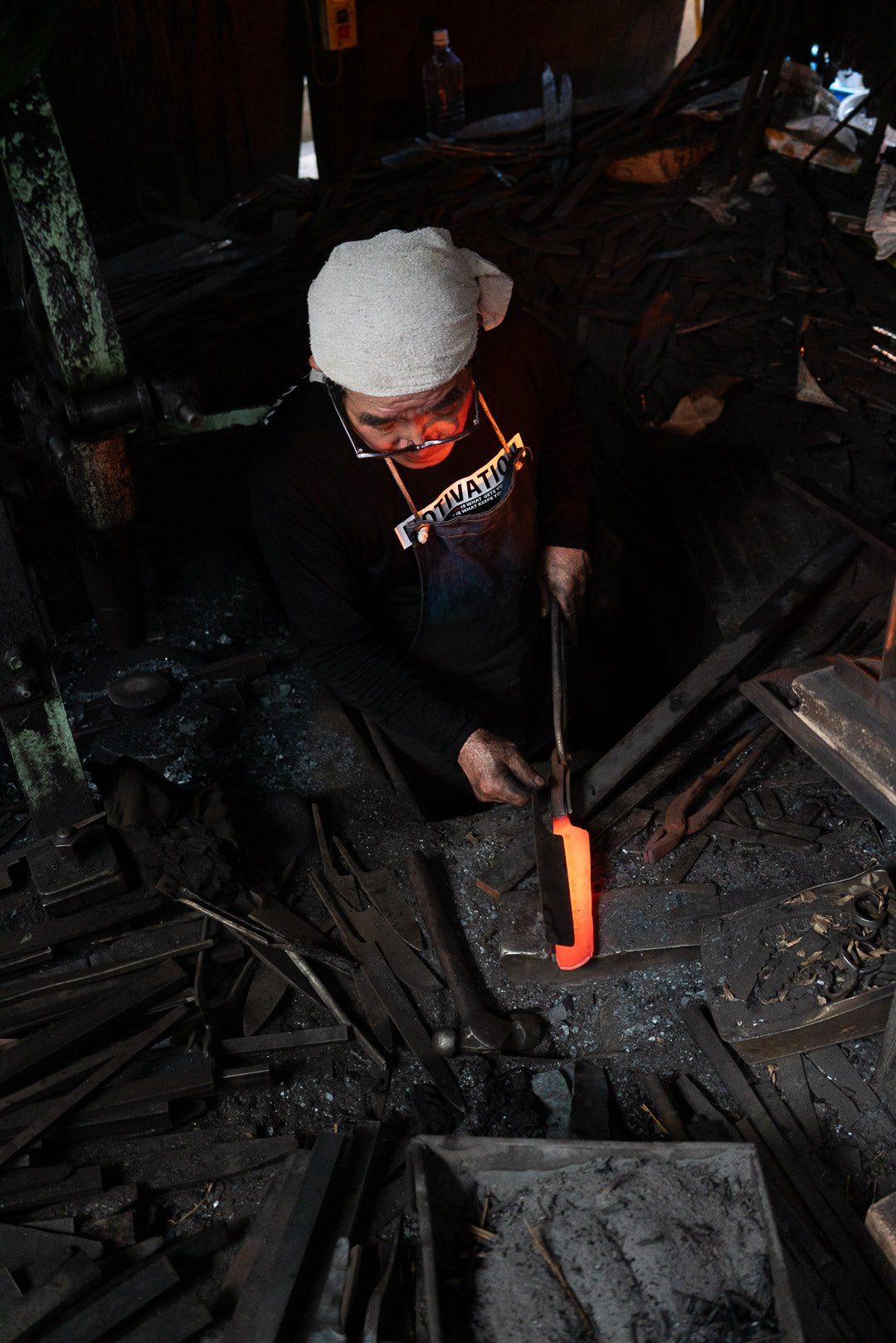
Aogami and Shirogami: the blue and the white paper steel
Shirogami and Aogami are Japanese carbon steels from Proterial. Here is the difference between them, what the numbers after the name mean, and how the steels behave in the kitchen...
Read more
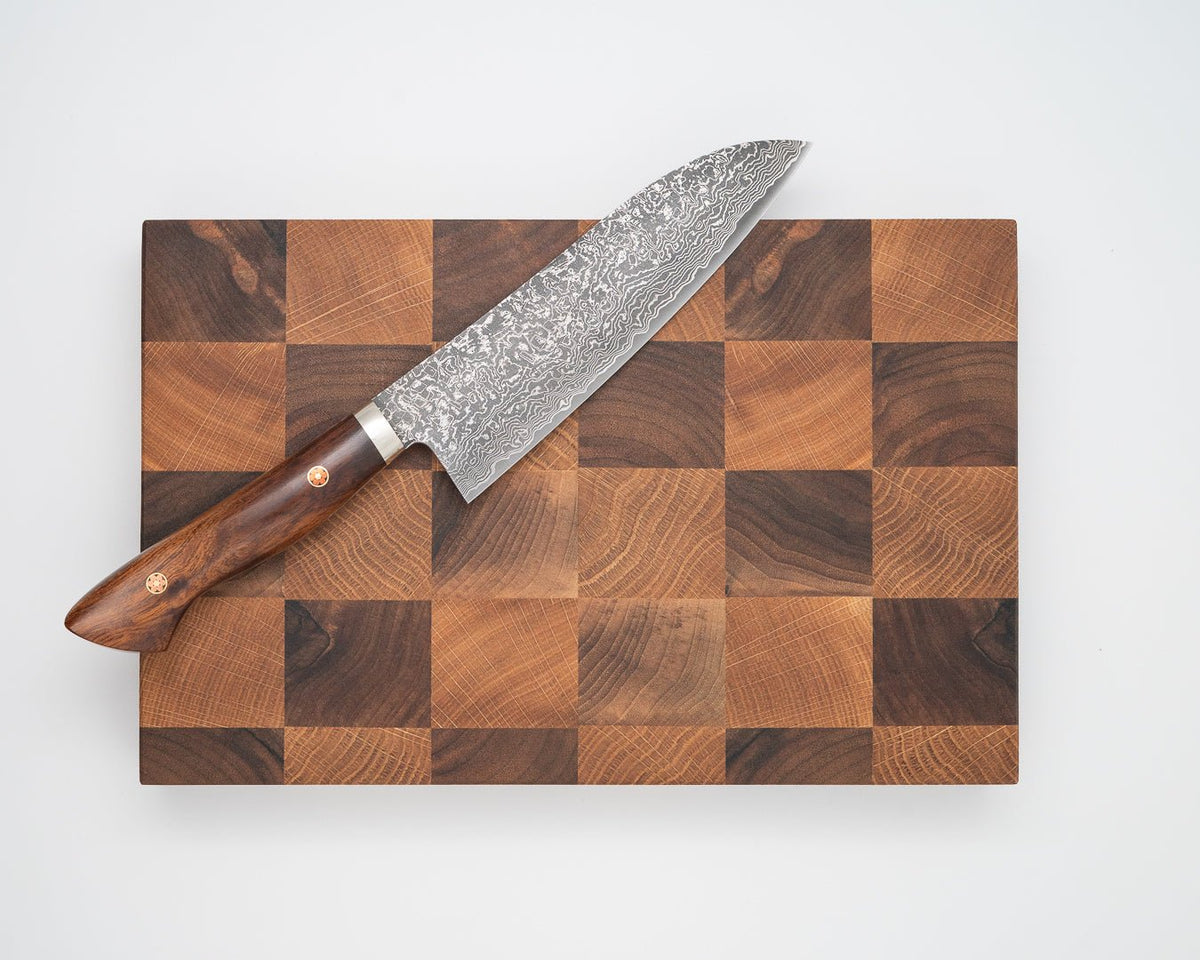
End-grain boards: how to choose one and look after it
On an end-grain board you cut down into the ends of the wood fibres, and the board gives way to the edge. How to choose thickness, wood and size, and...
Read more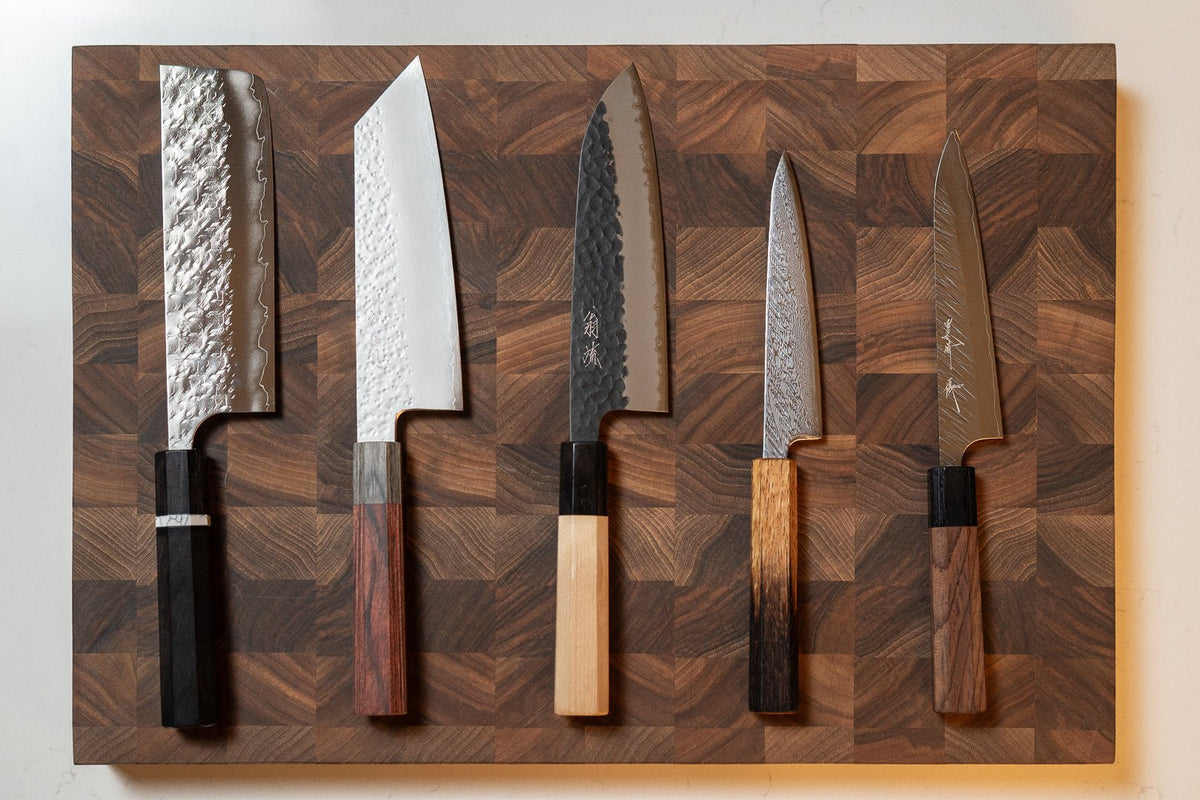
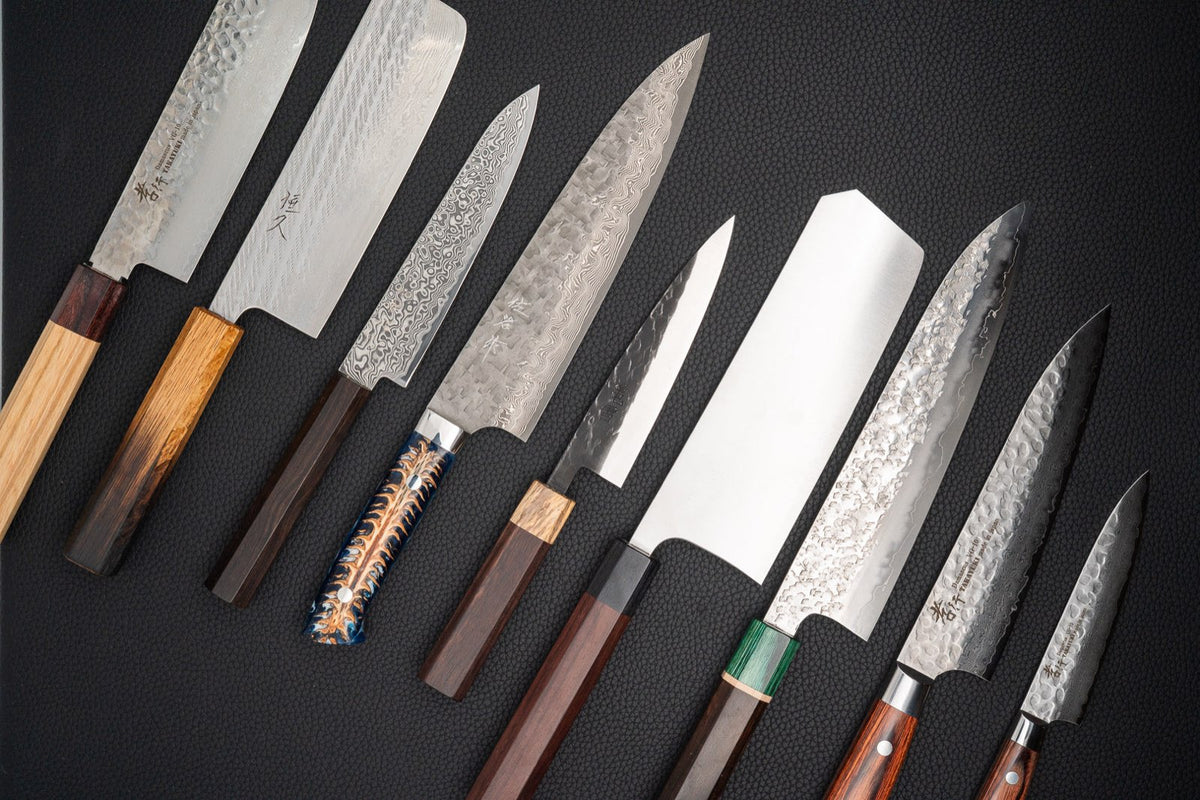
Tsuchime, kurouchi, damascus and honyaki: what the blade tells you
The layers, the hardening and the surface of a Japanese knife blade are traces of how the knife was made. Here is what they mean for the knife you choose.
Read more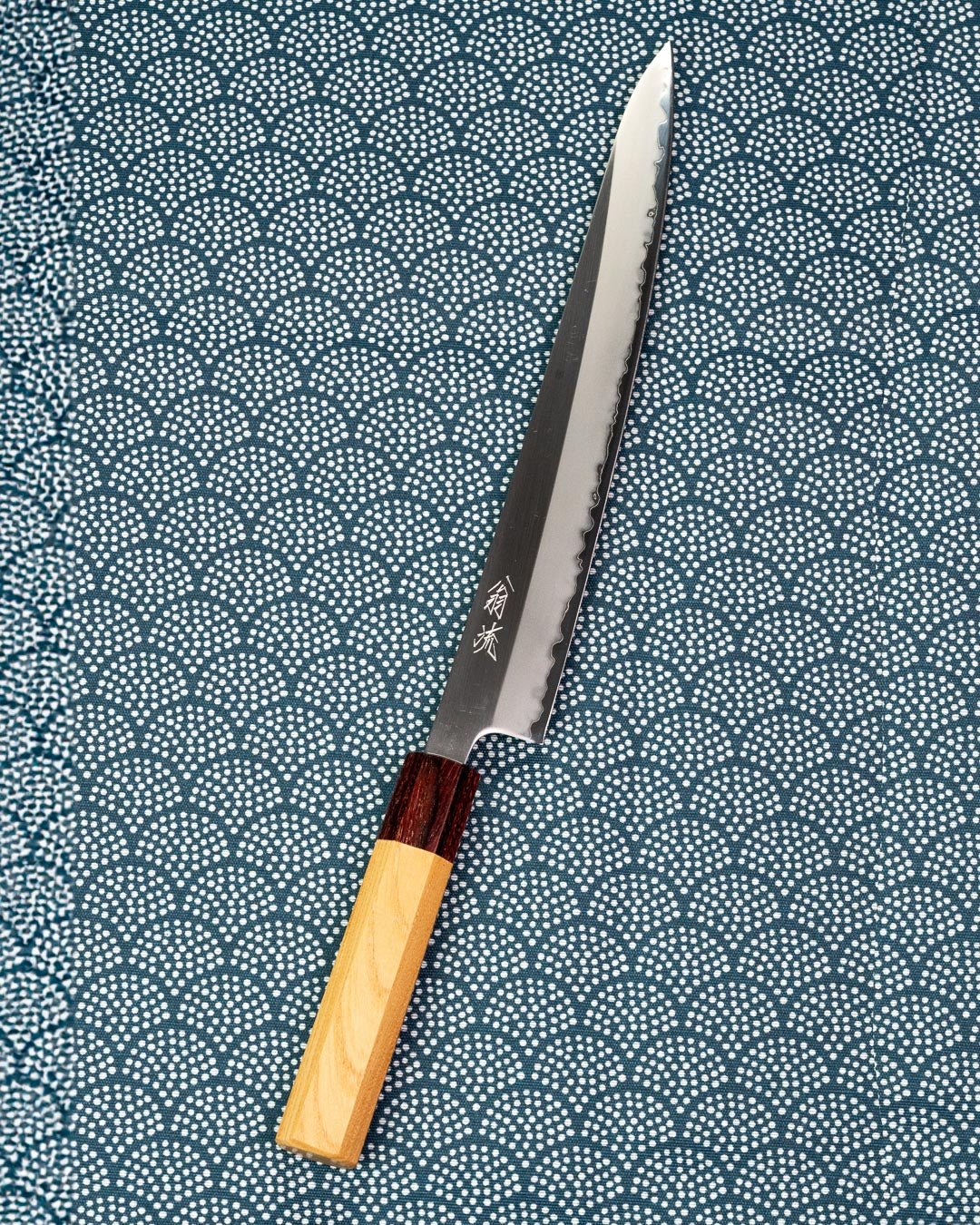
Yanagiba or sujihiki: which one suits you?
Both are long, thin knives for cutting clean slices. The difference is in the edge, and that decides which one you should have.
Read more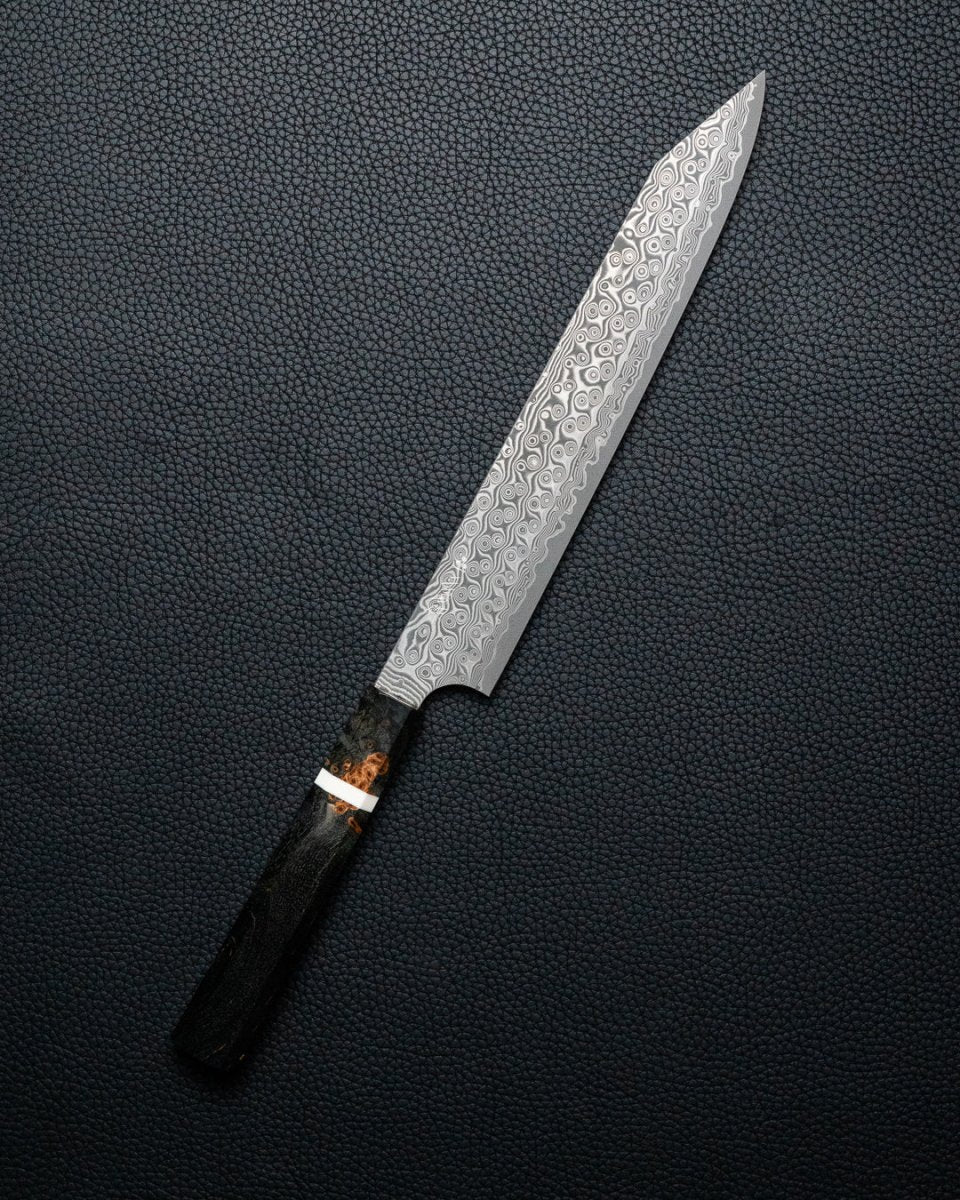
Bunka and kiritsuke: the chef's knives with the angled tip
Bunka and the modern kiritsuke are chef's knives with an angled, dropped tip. Here is the difference between them, the traditional kiritsuke, and who the shapes suit.
Read more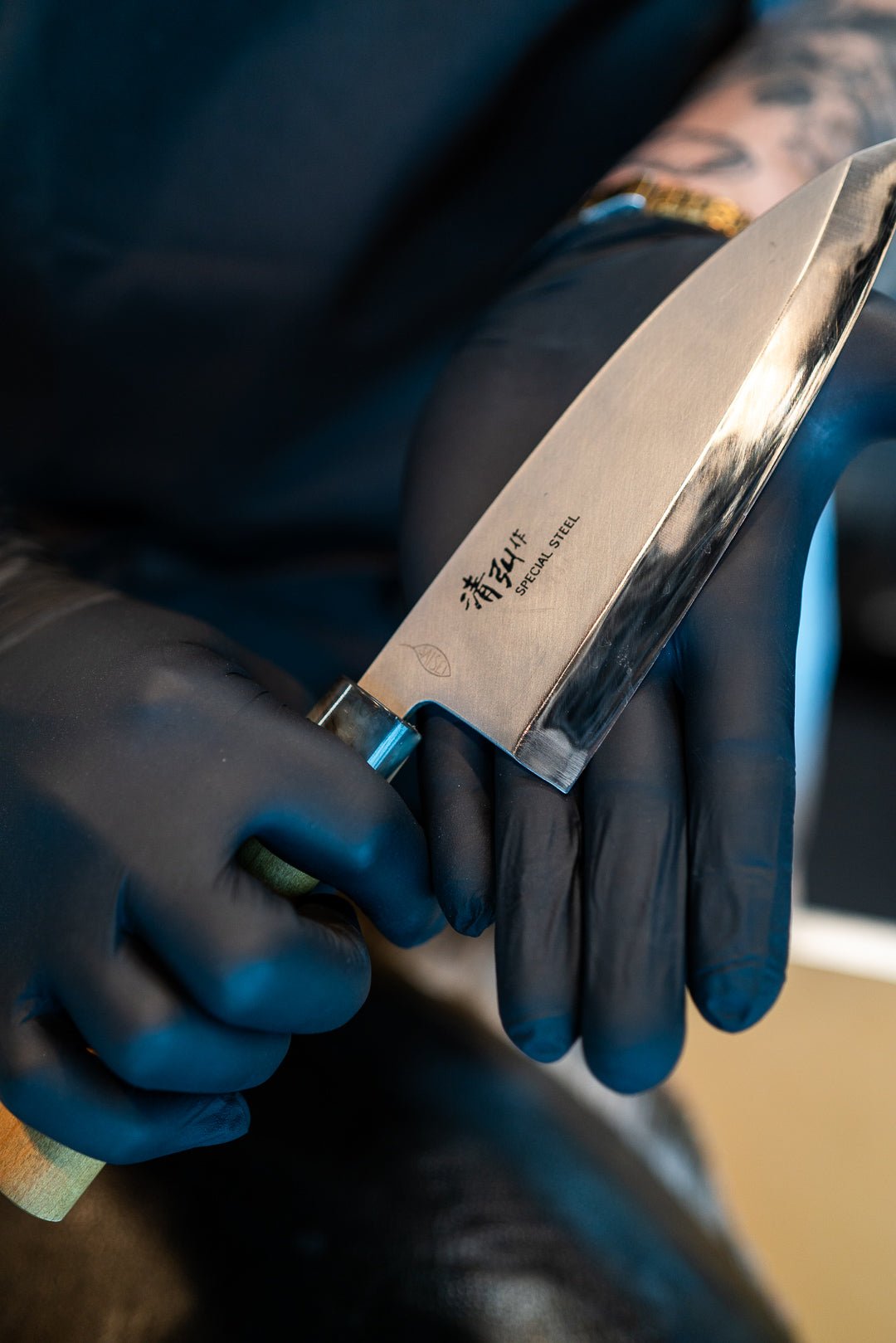
Deba: the knife for fish and poultry
Heavy blade, thick spine and an edge ground on one side only. The deba is built for breaking down fish, and for little else.
Read more