Fukui
Takefu
Takefu (today Echizen) is the old name of the town, and the smiths still use it. There have been smiths here for around 700 years, and the steelworks that makes VG10 is in the town.
Swords, sickles, knives
From swords to kitchen knives
Swordsmiths from Kyoto came here for raw materials around 700 years ago. Later they forged sickles for the rice harvest, and between the Edo and Meiji periods the area was a centre for sickles. Then came knives. Machines threatened the sickles, and stainless steel and factories threatened the knives.
In the 1970s a group of smiths joined forces and built Takefu Knife Village, a shared workshop meant to bring young people into the trade. Today it has 13 knife companies and more than 40 craftspeople.
Where
Takefu, Fukui
Fukui faces the Sea of Japan and is also known for handmade paper and spectacle frames.

Takefu Knife Village
Four rounds under the hammer
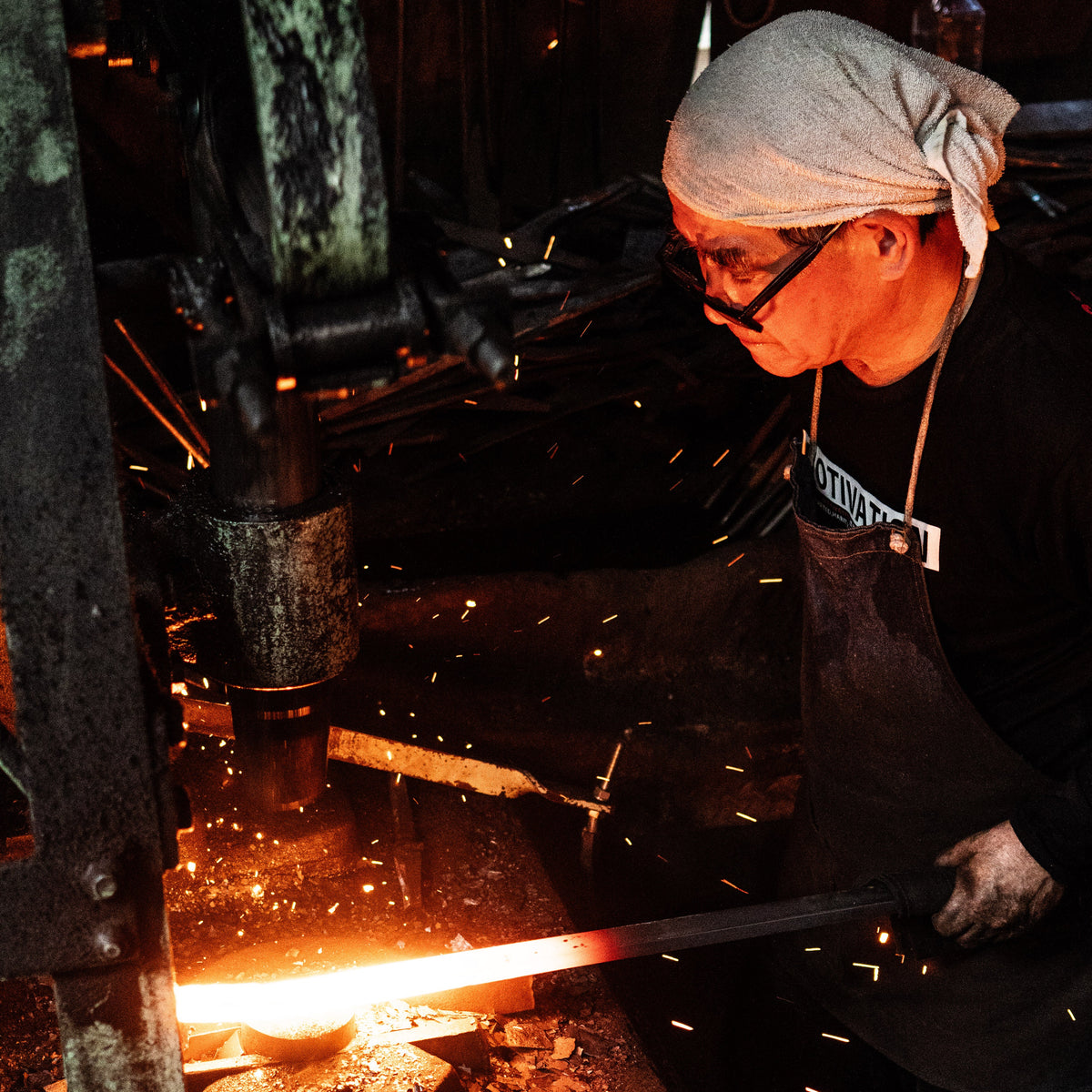
This is how a forging day goes for Yoshimi Kato, with a rest between each round. That day made 81 knives.
The tang
The tang, the steel that goes into the handle, is drawn out from the back end of the blank.
The tip
The tip is shaped. The heat has to be right: too hot ruins the blade, too cold makes it crack.
Two blades together
Two blades are clamped together and hammered at the same time, so they get thin faster and hold the heat longer. The technique is called nimai hiroge.
Fine adjustment
The blade is thinned evenly, the tang adjusted and the blade straightened. Hardening, straightening and sharpening each get their own days.
The steel and the surface
Hammered and hollow-ground
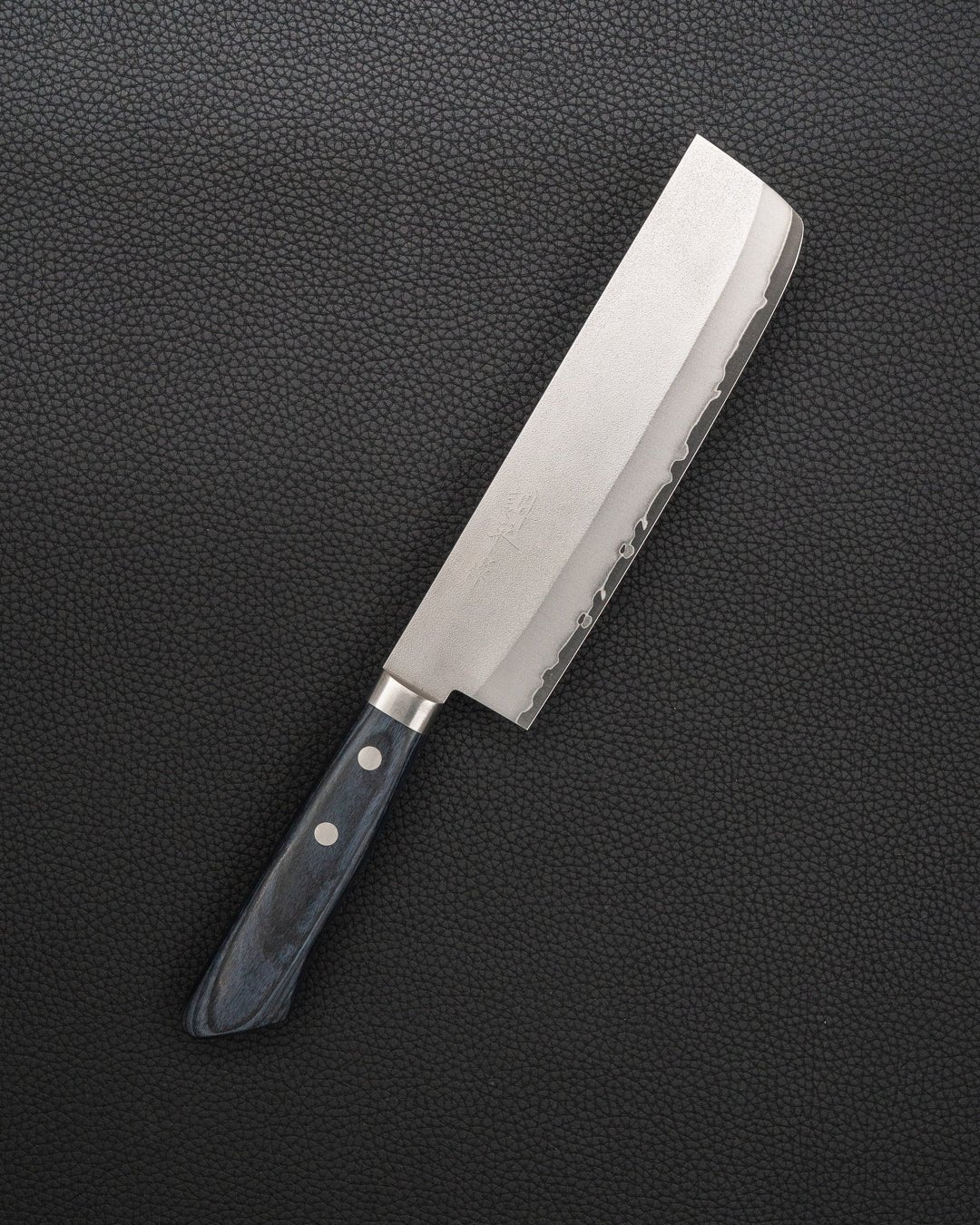
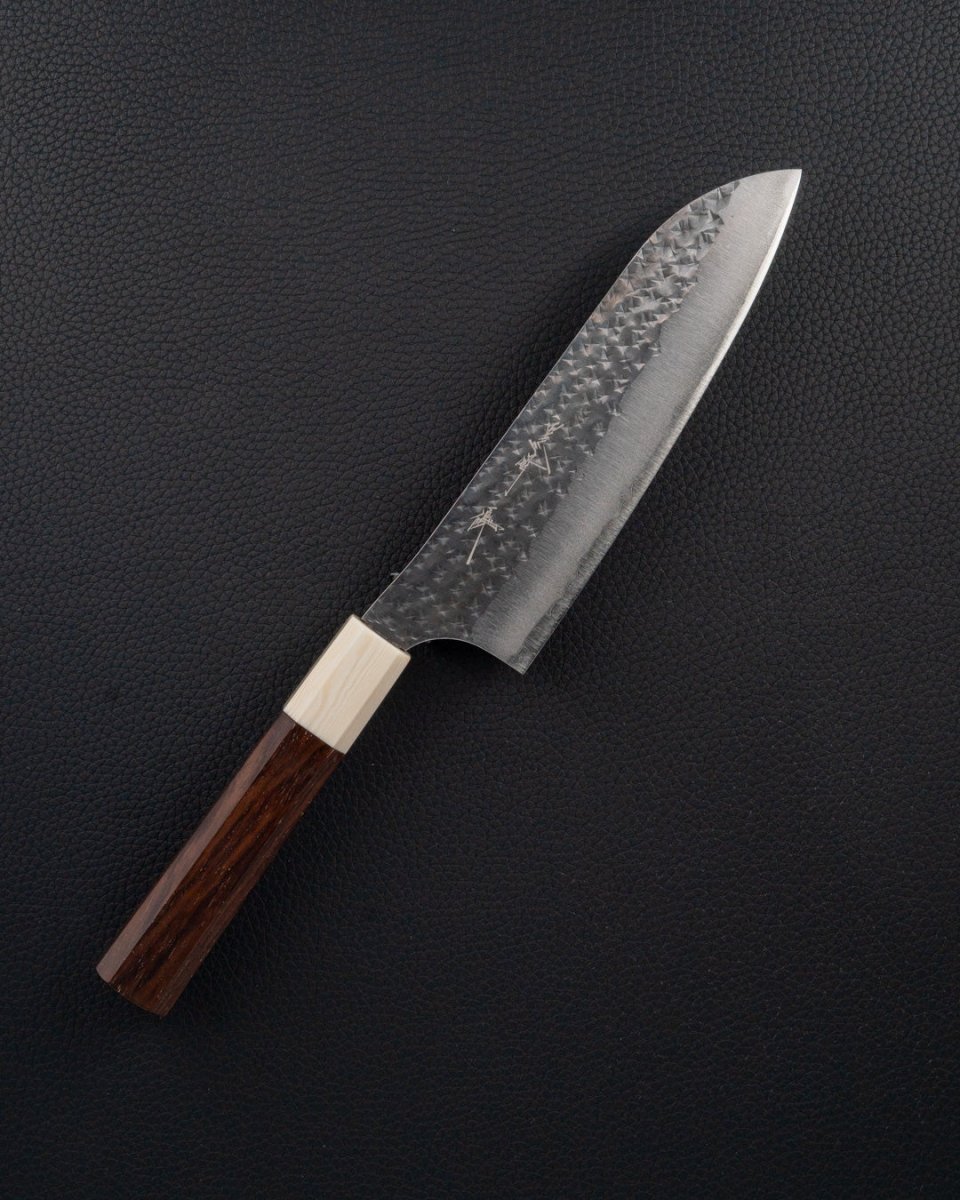
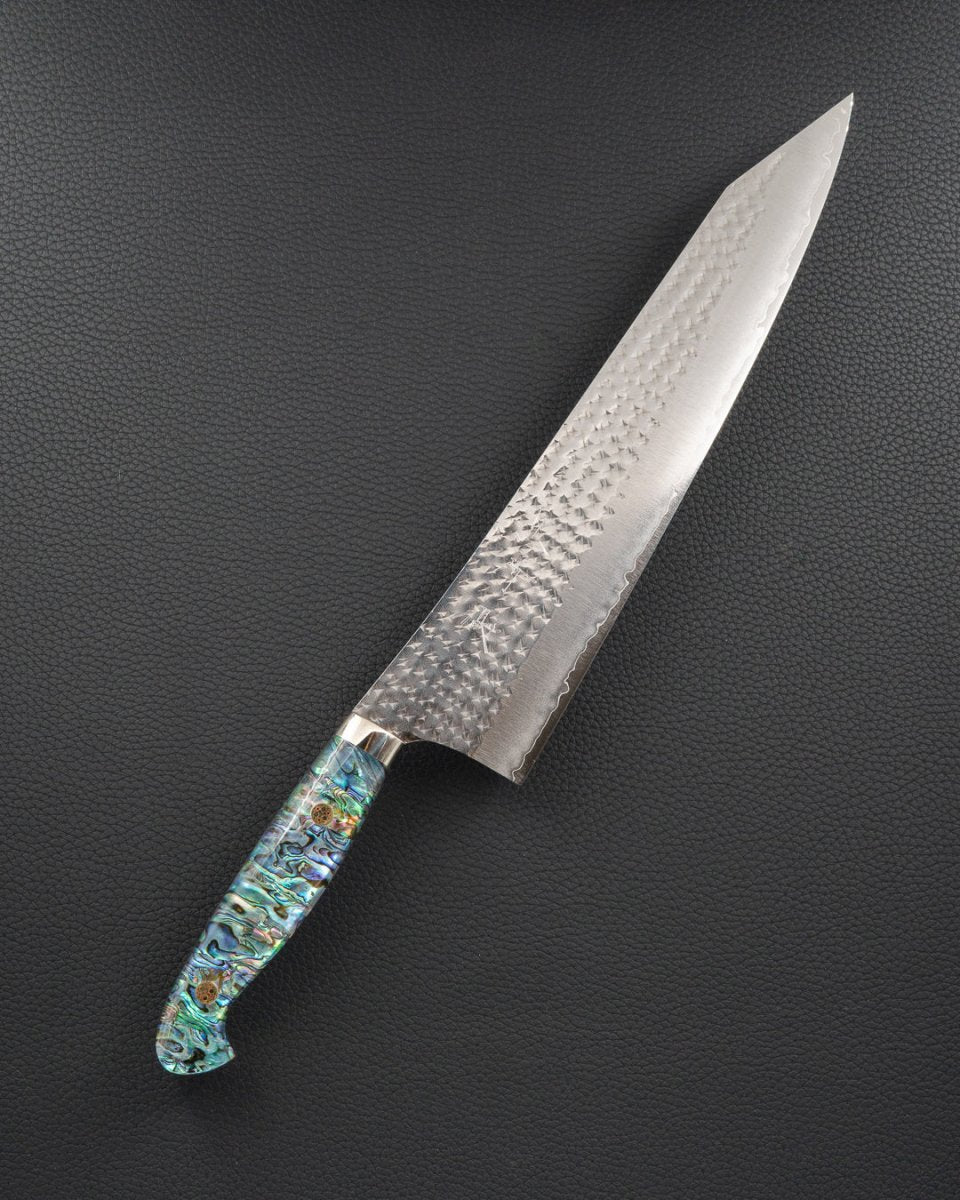
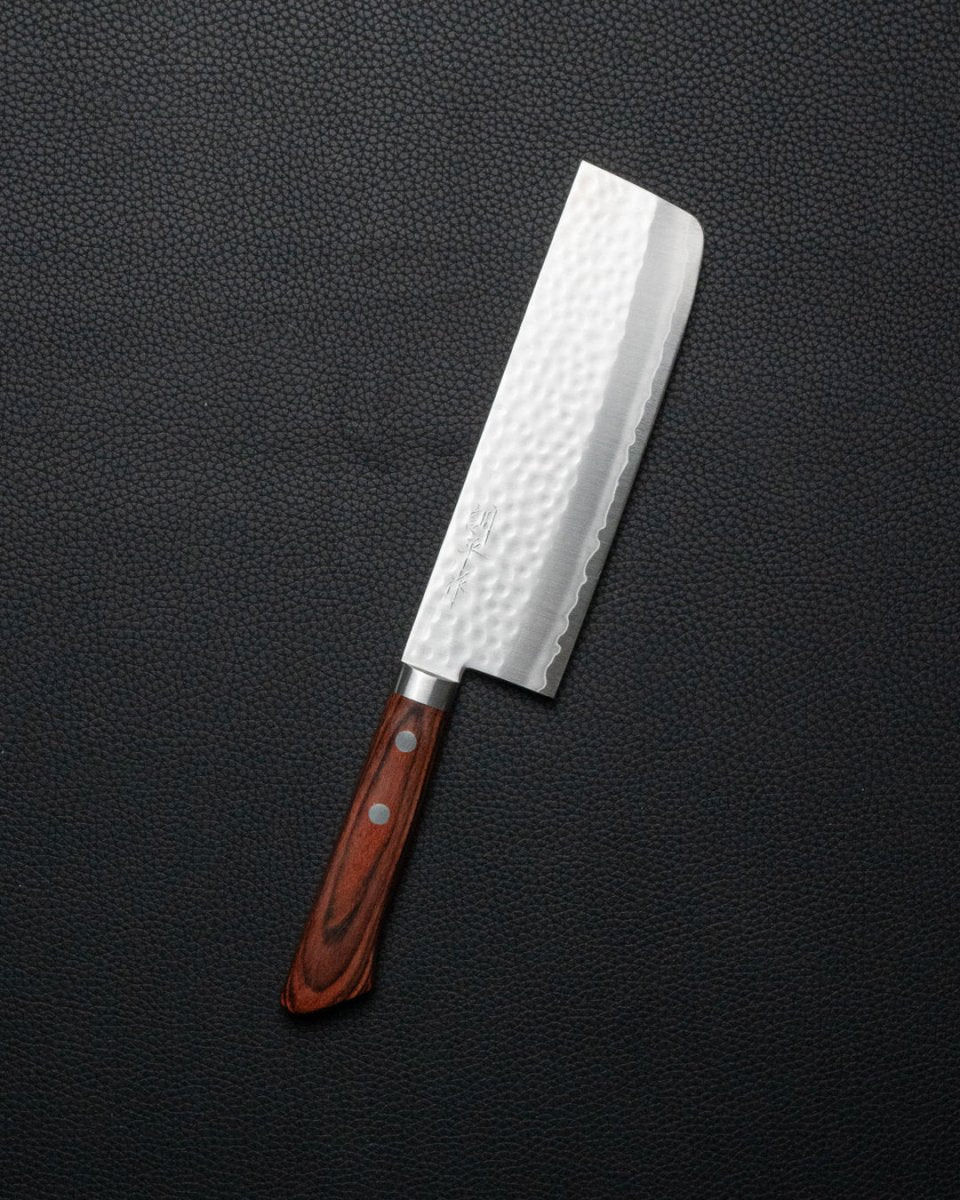
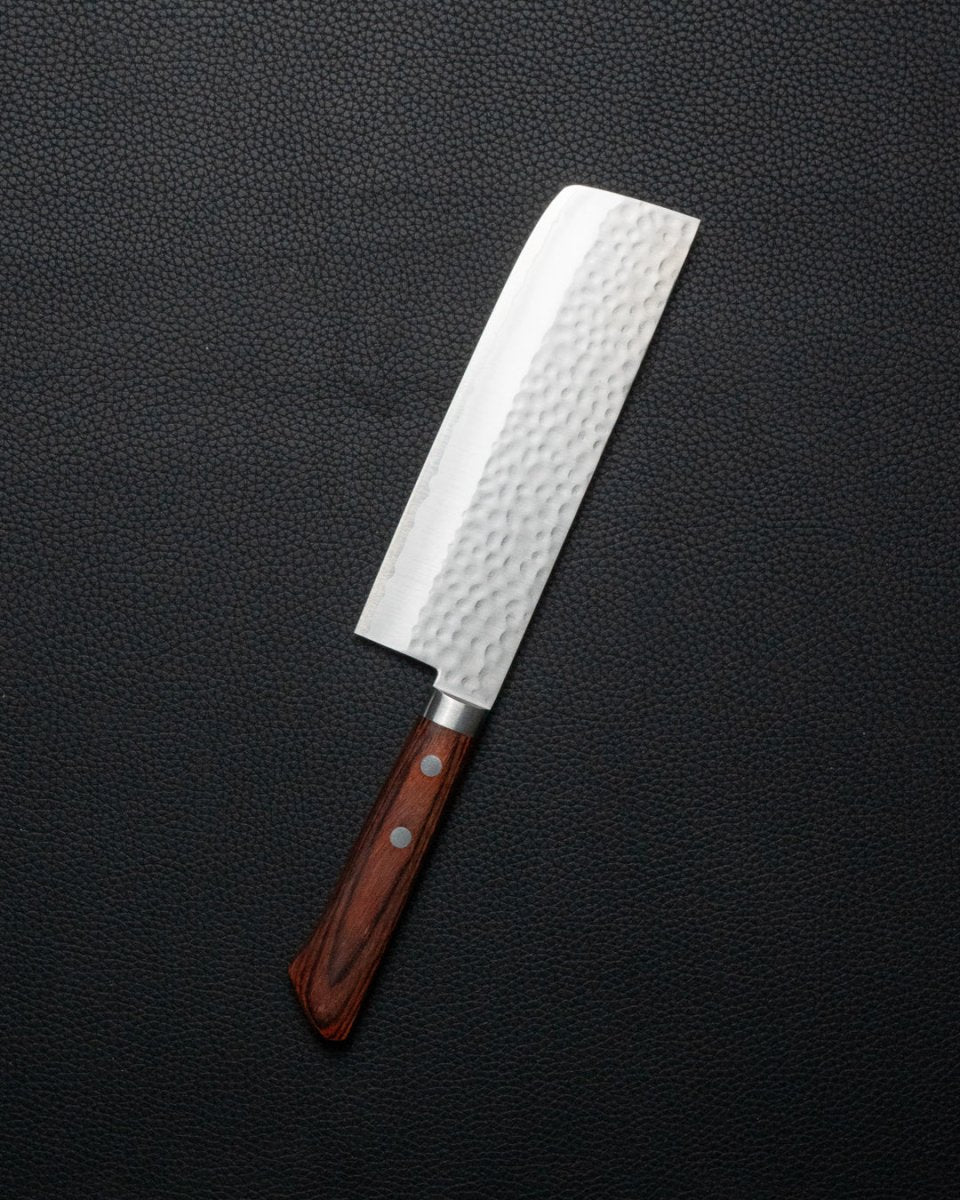
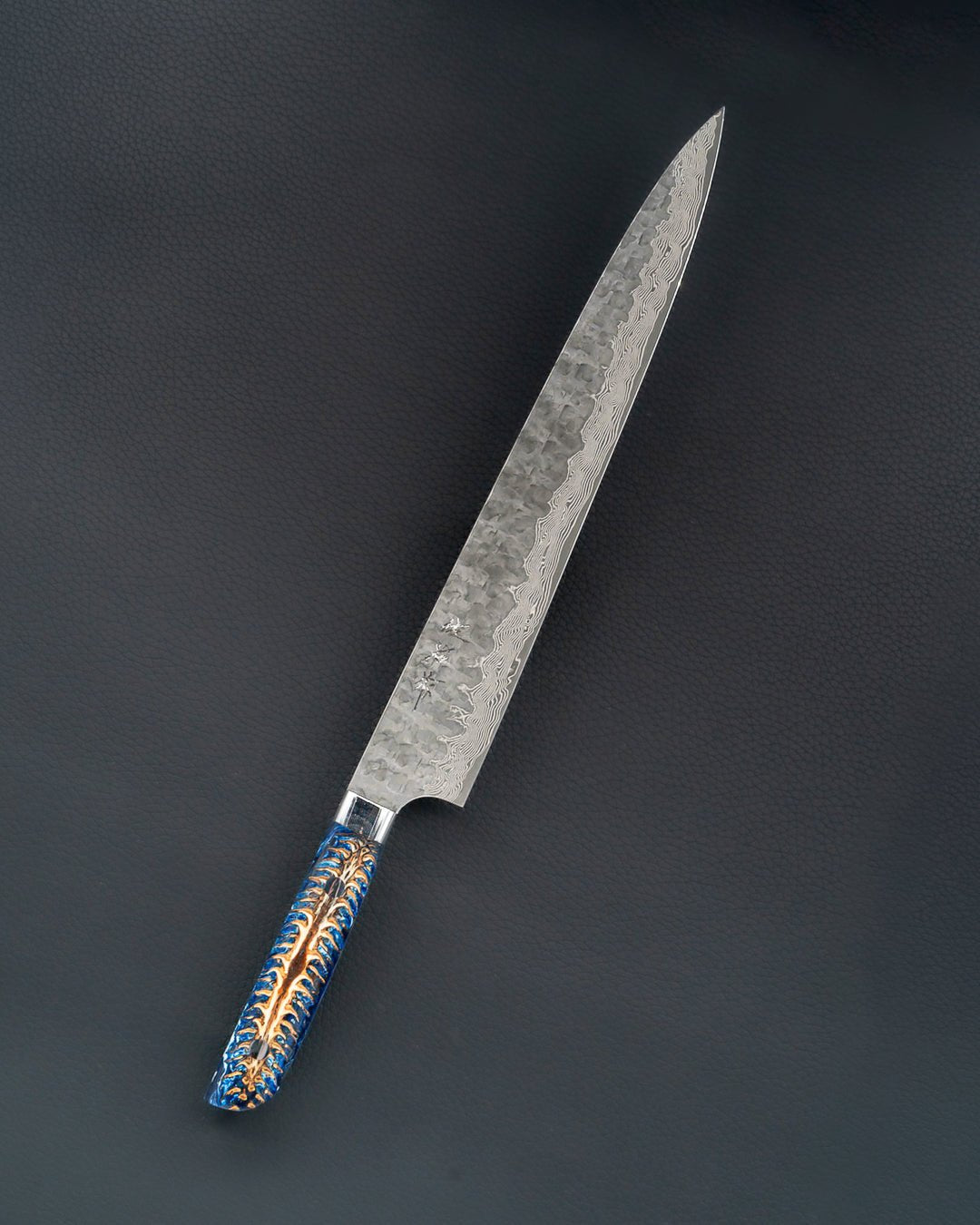
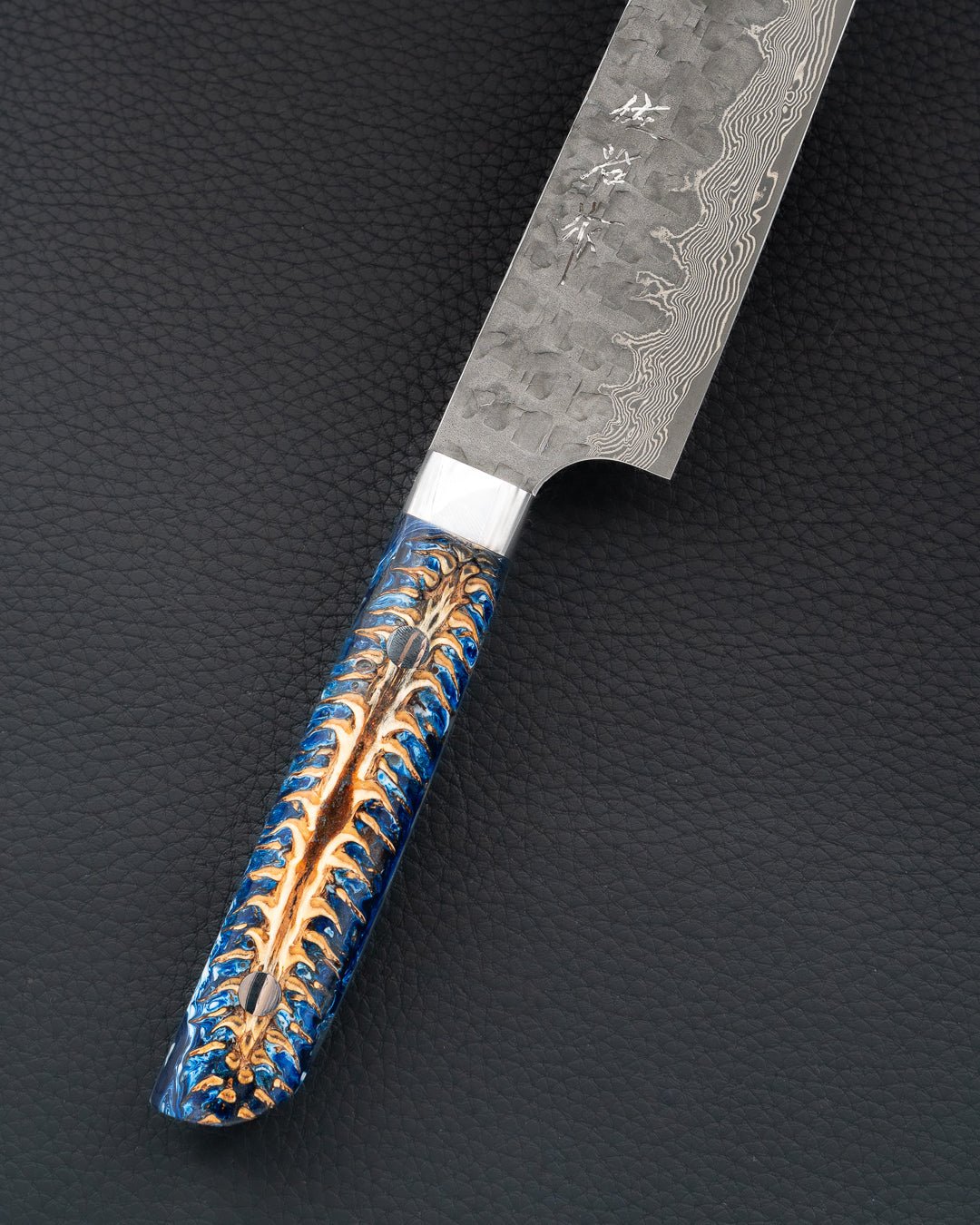
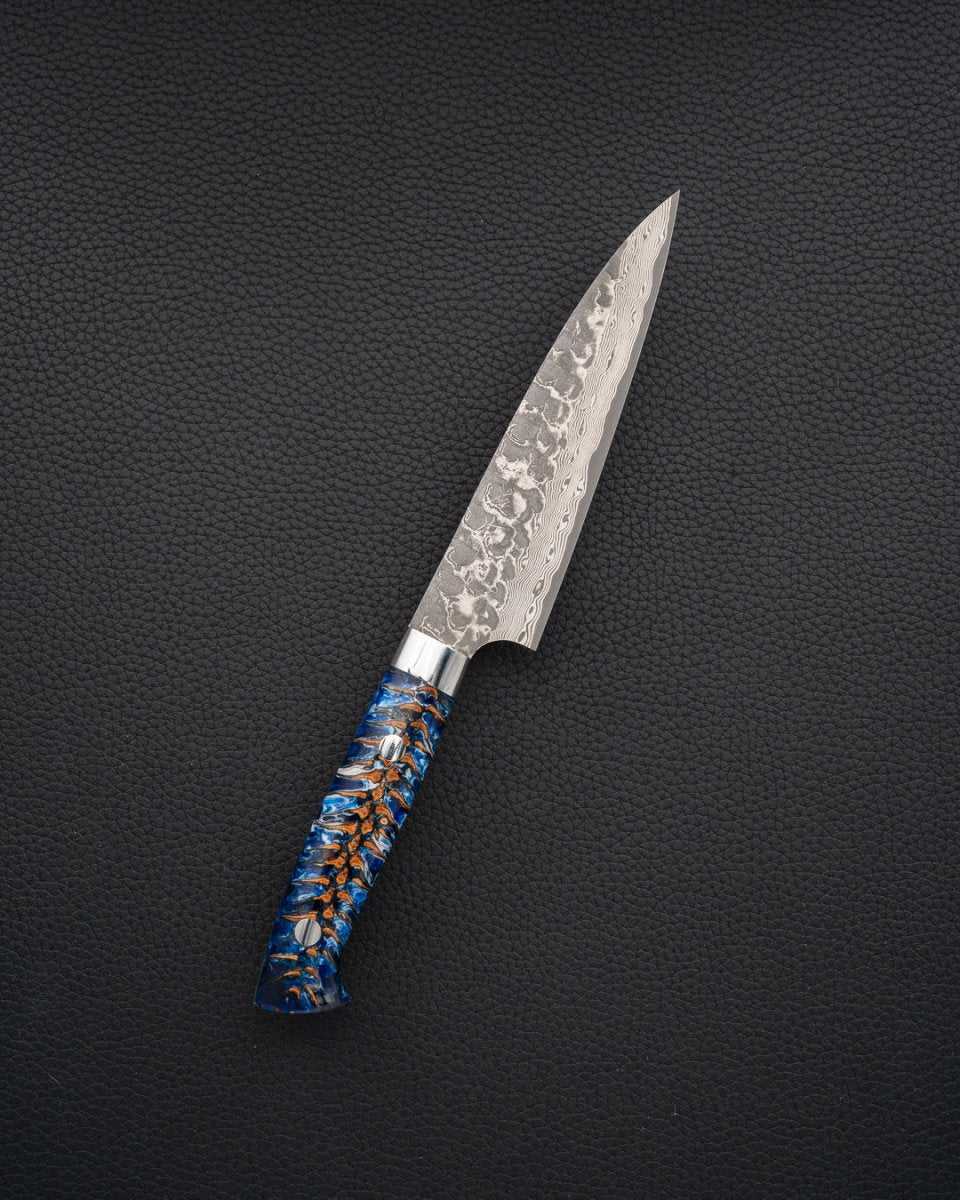
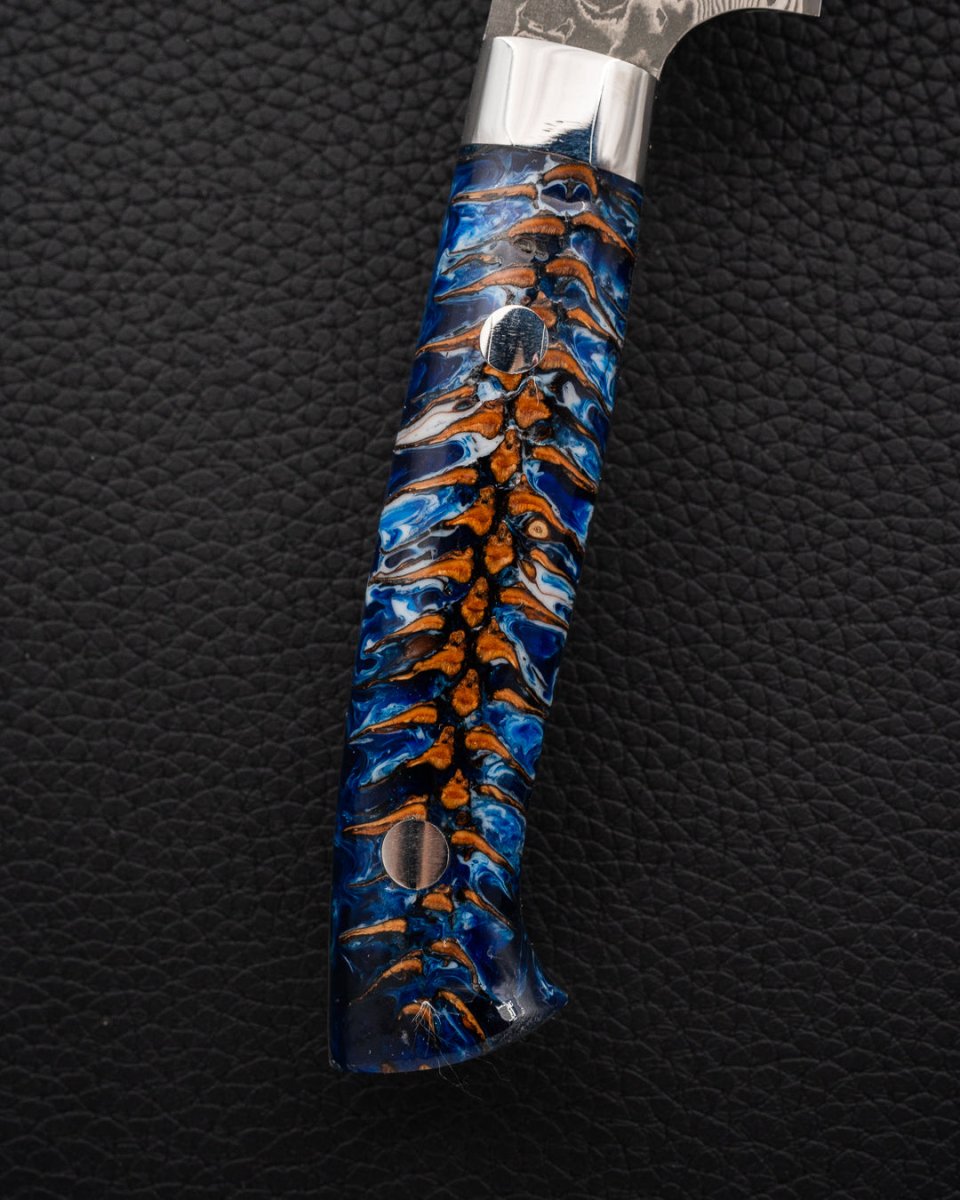
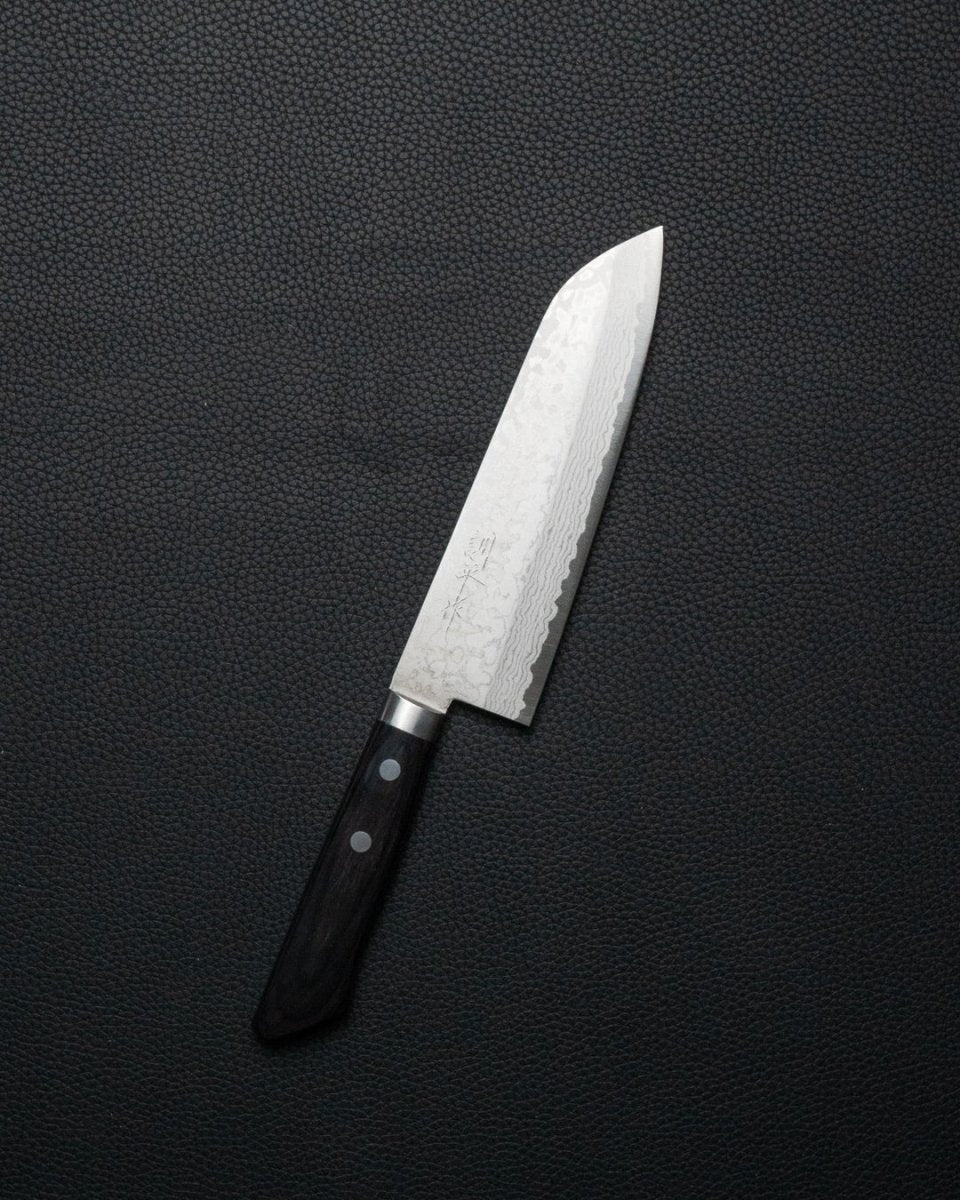
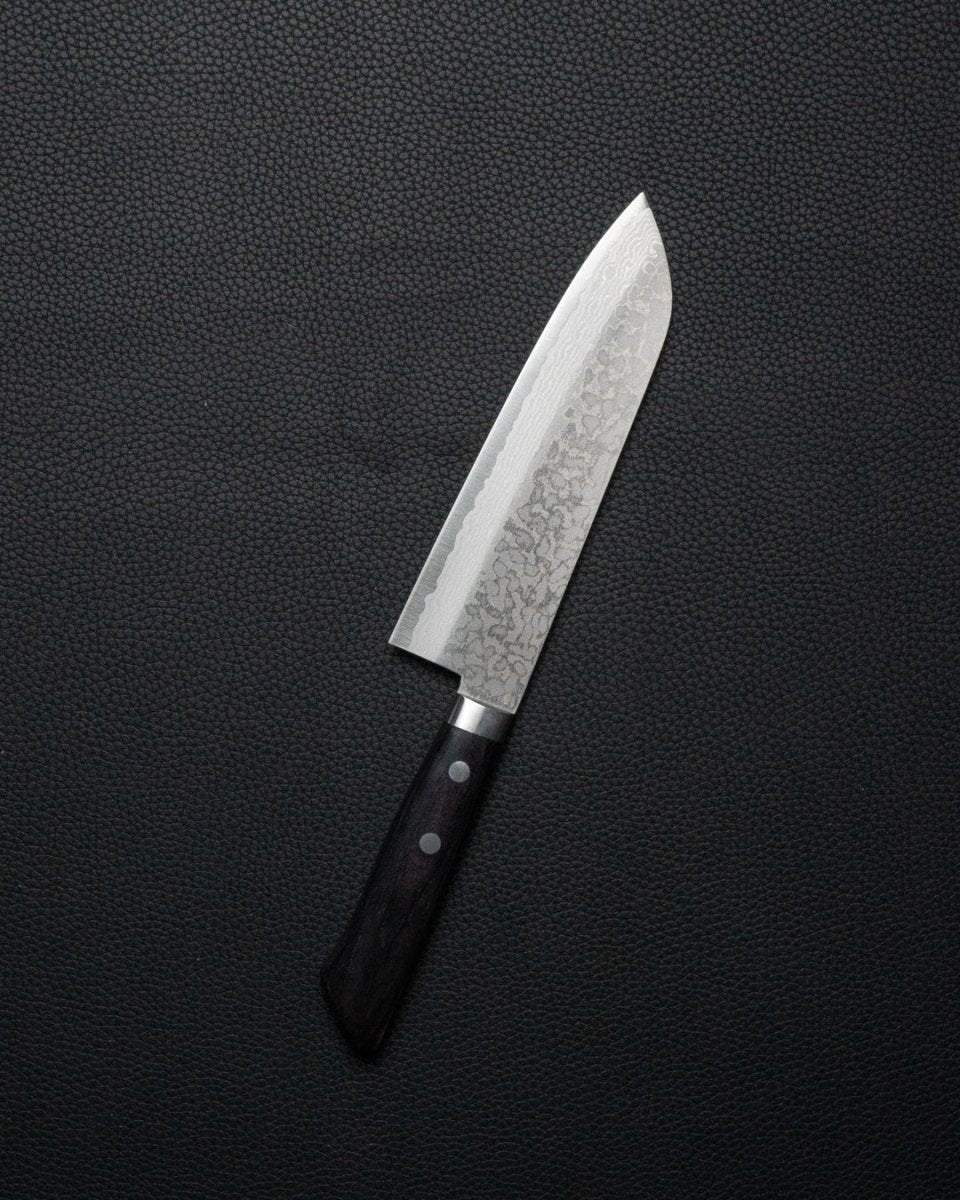
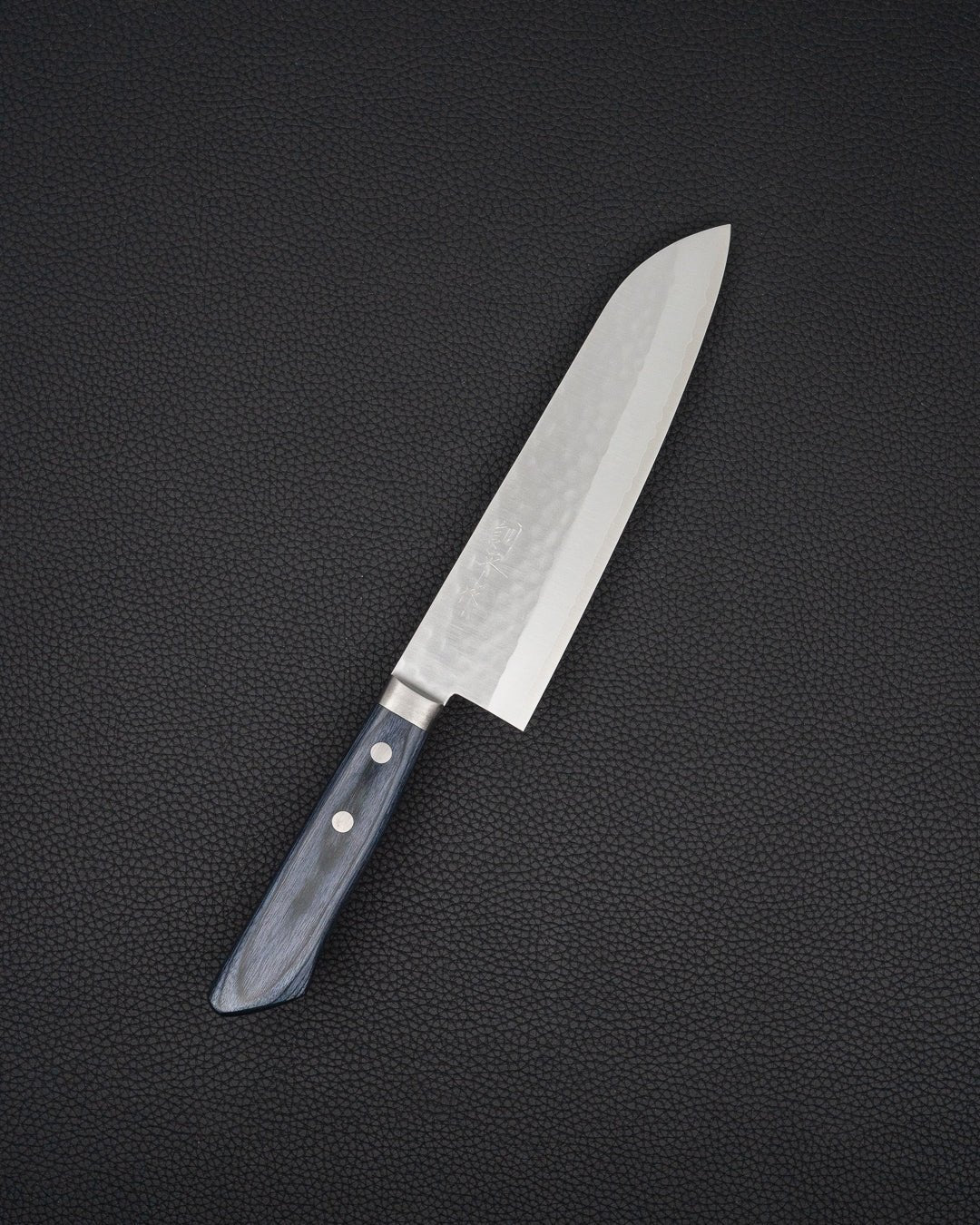
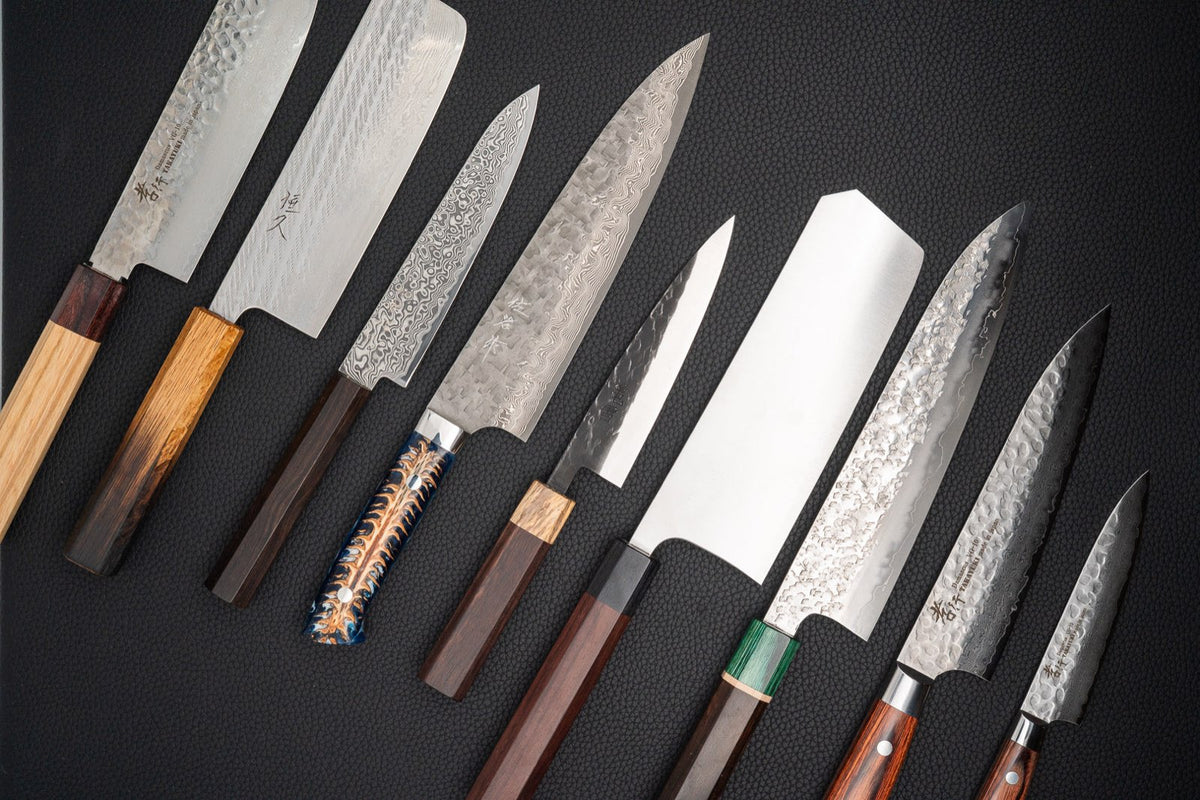
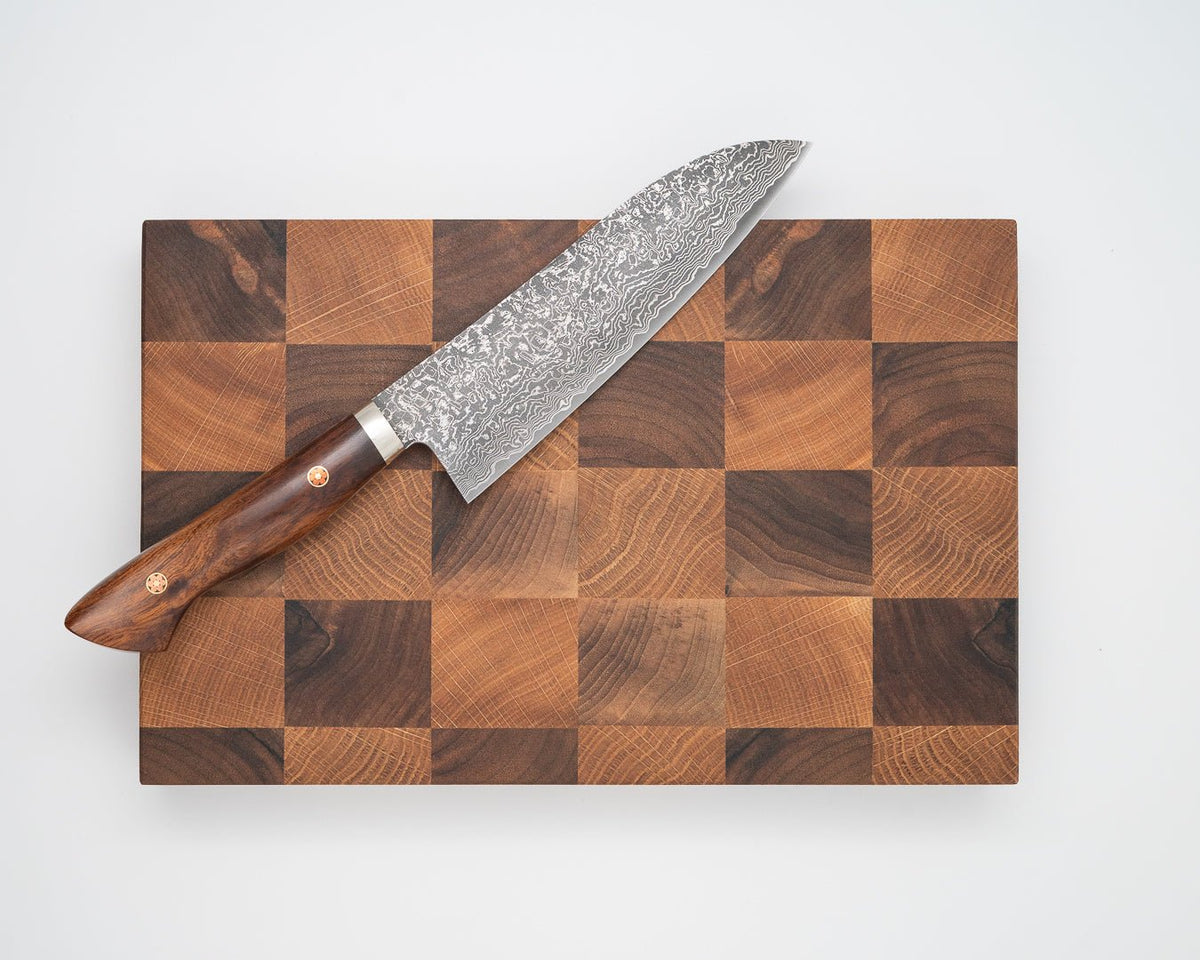
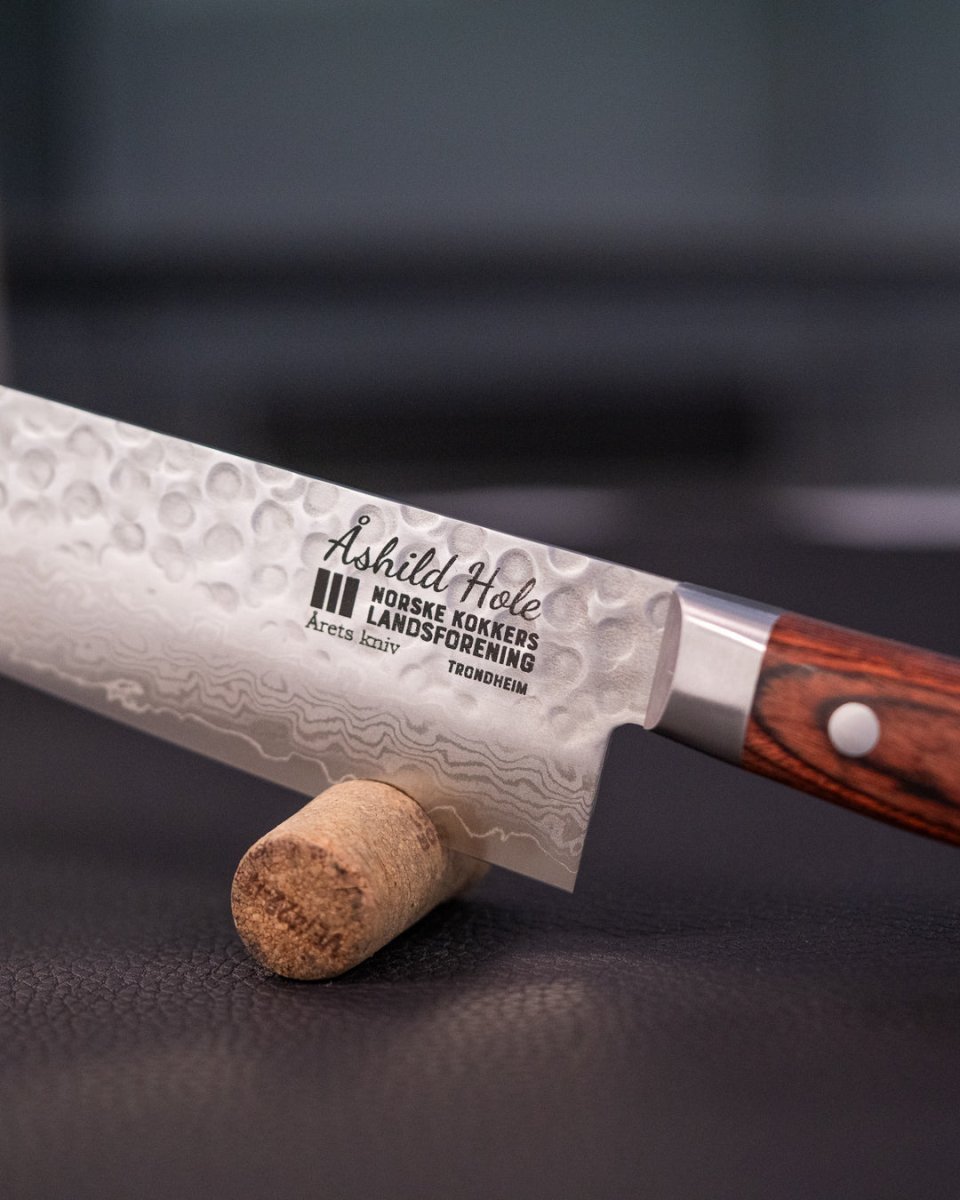
Many knives from Takefu are hollow-ground, and many have tsuchime, the hammered surface with small dimples. Aogami Super with stainless cladding is common, and SG2 is widely used because the steelworks is so close.
From Takefu in the shop
The smiths from here
Three of the smiths trained under the same man, Hiroshi Kato.
Yu Kurosaki
Smith
Started at Takefu Knife Village at 17 and trained under Hiroshi Kato and Katsushige Anryu. Known for a hammered finish in diagonal strokes.
See the knivesYoshimi Kato
Smith
Runs the workshop after his father-in-law, Hiroshi Kato. Thin, double-bevel knives, among them in Ginsan and Aogami Super.
See the knivesMakoto Kurosaki
Knife maker
Trained under Hiroshi Kato and has made kitchen and hunting knives for many years.
See the knivesTakeshi Saji
Smith, third generation
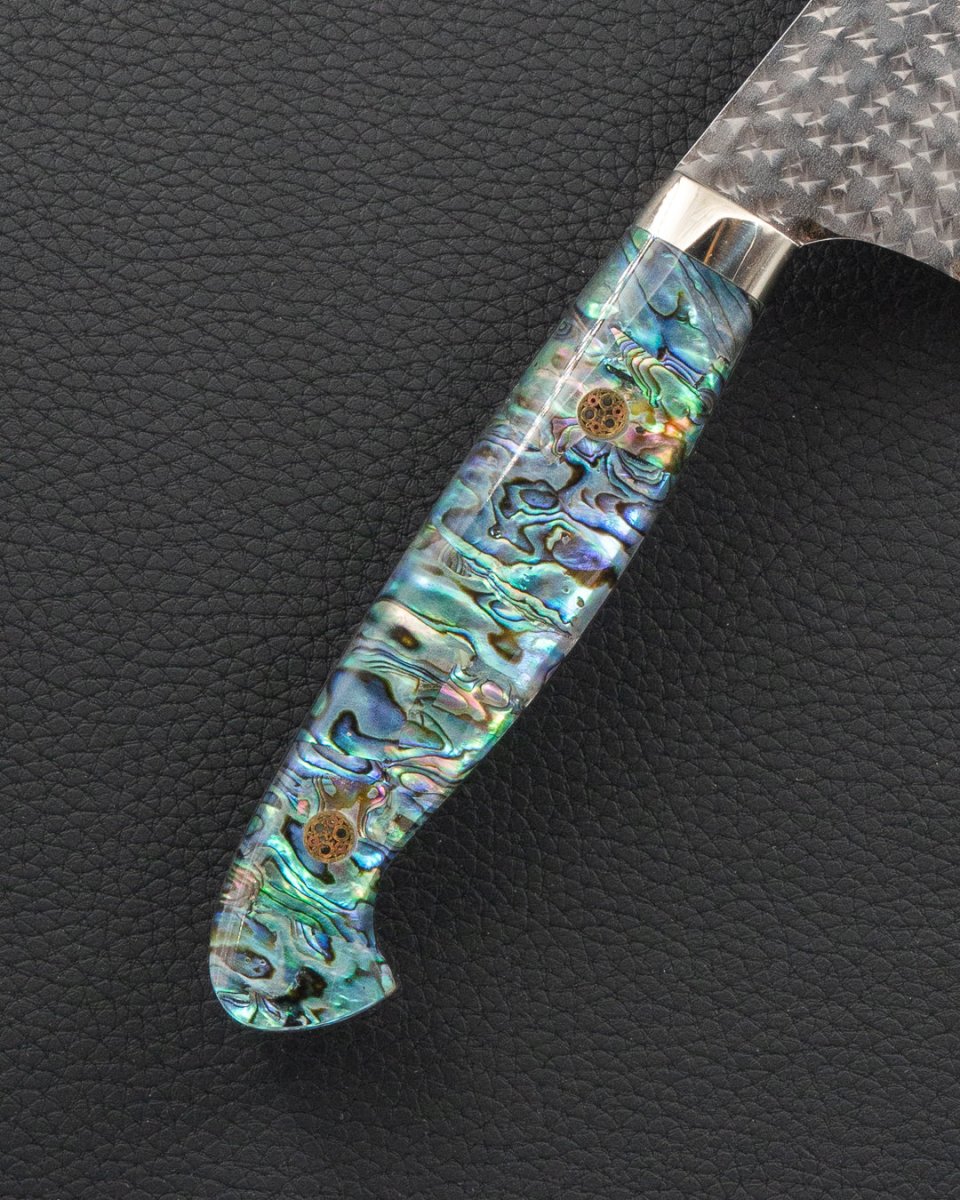
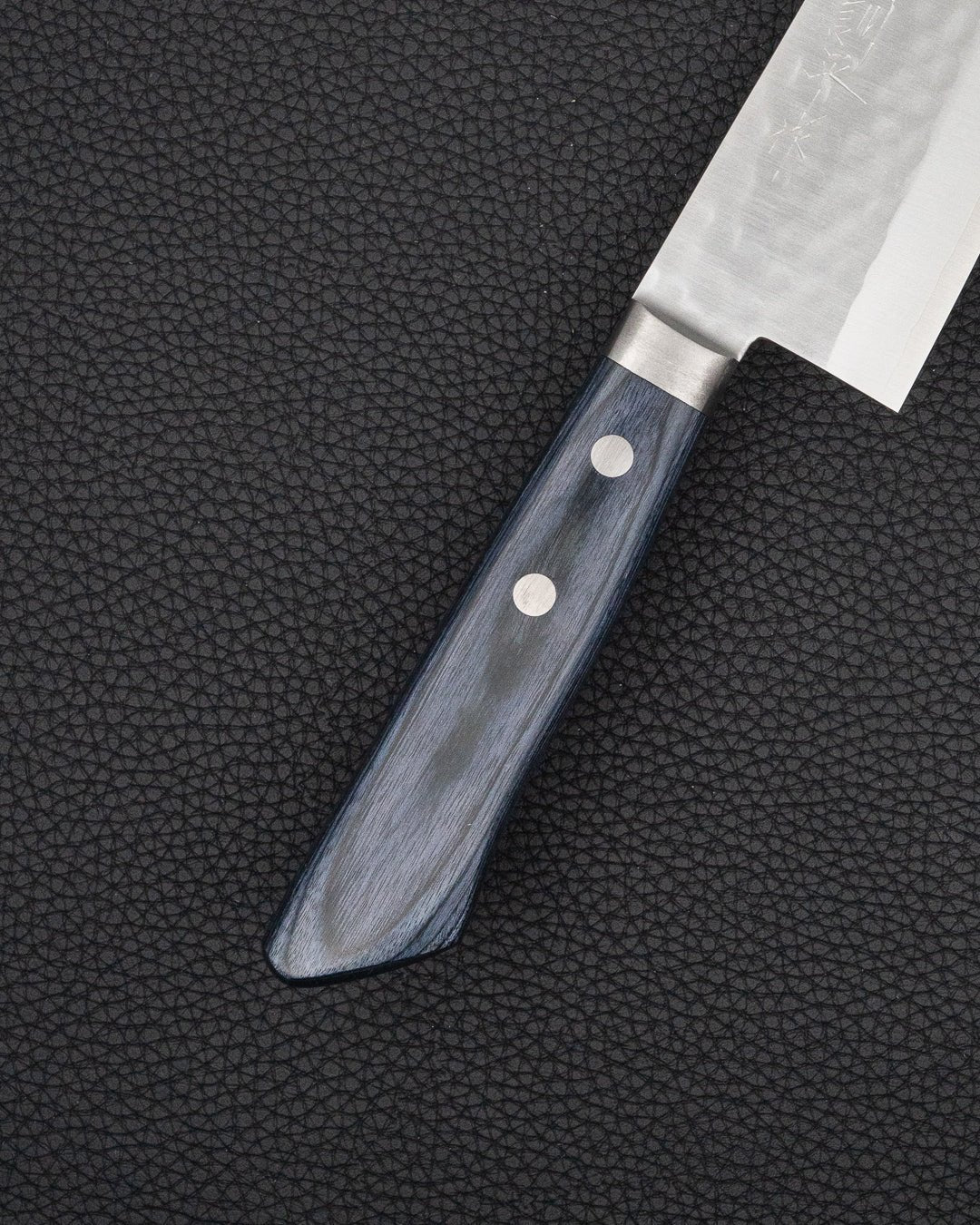
Over 50 years in the trade, in his own workshop in the town. Known for Western handles with rivets and Damascus with copper and brass.
See the knivesTakamura
Workshop, since 1945
Among the first to use powder steel in kitchen knives, from 1982.
See the knivesMasutani
Workshop
Kunio Masutani started his own forge in 1974. Mostly knives with Western handles.
See the knivesMasakage
Brand
Founded in 2007 by the sharpener Takayuki Shibata. The blades are forged by smiths in Takefu.
See the knives
In stock
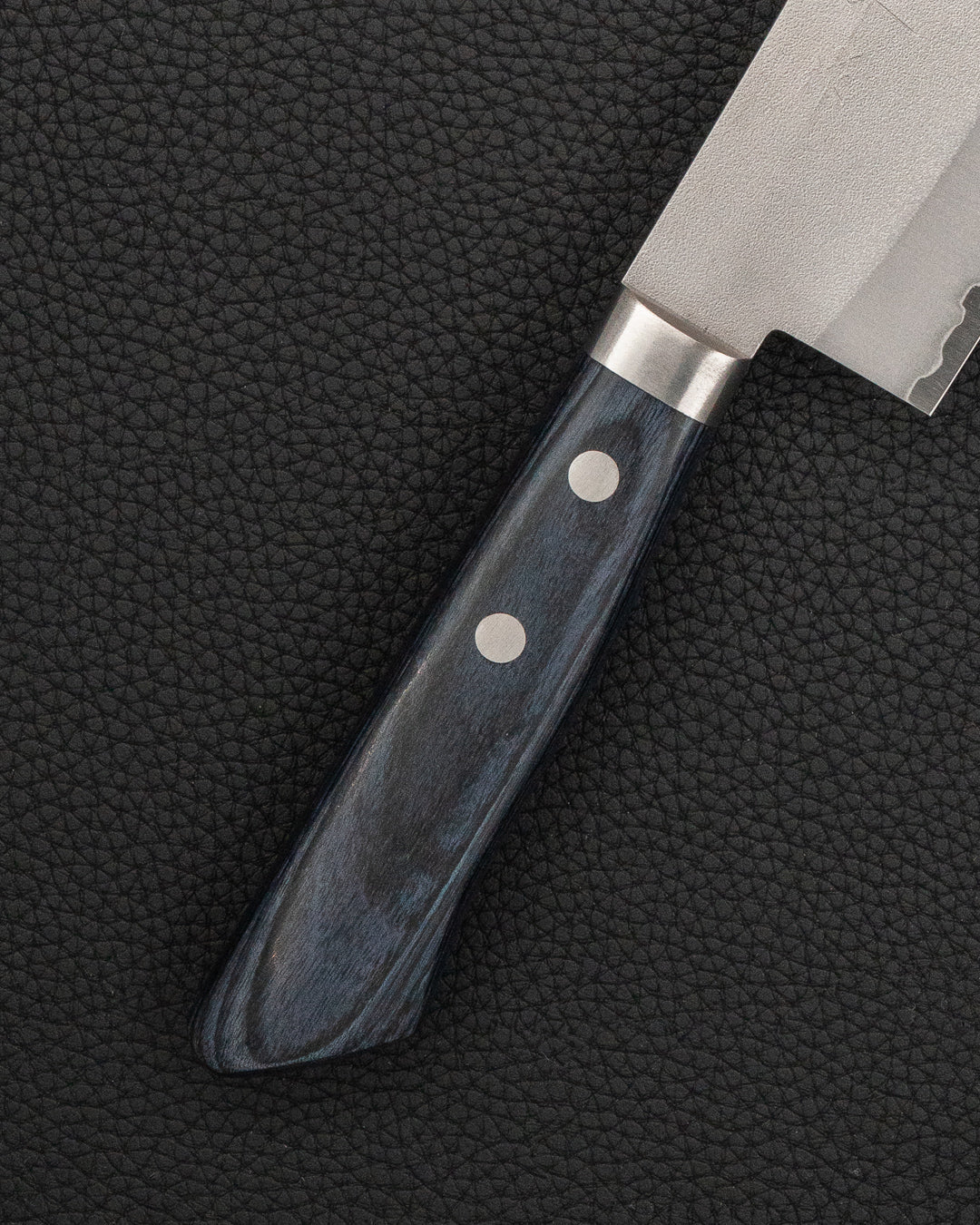
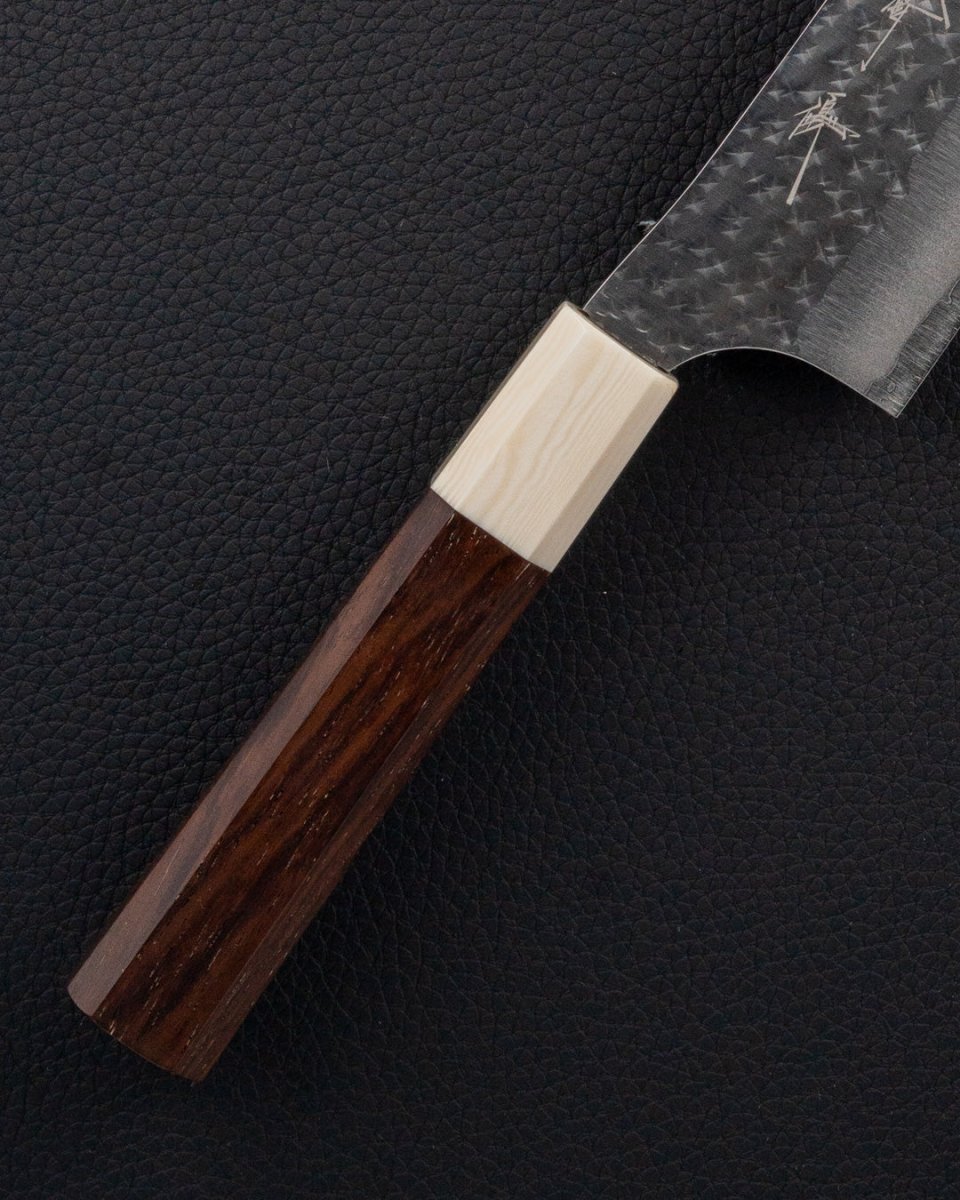
Knives from Takefu