Gifu
Seki
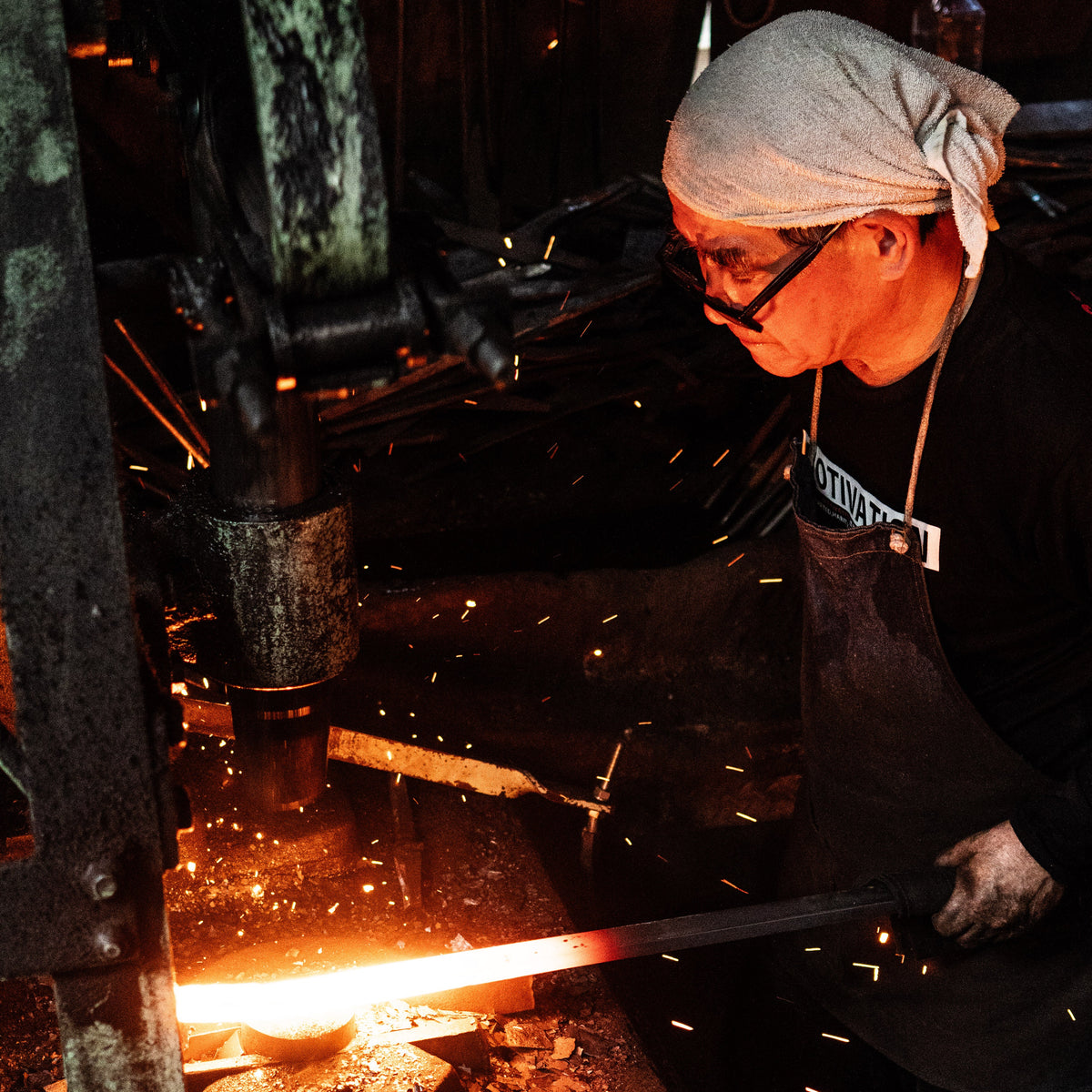
Seki has made blades since the swordsmith Motoshige arrived around the year 1200. Today most of the knives here are made in factories, in steel that is easy to care for.
The town of blades
Two rivers, ore and clay
The town has two rivers, ore and clay, and that drew the swordsmiths here. The samurai of the Kamakura period praised the blades from Seki because they neither bent nor broke.
Seki is mentioned alongside Solingen and Sheffield. Ten swordsmiths still hold a licence to make katana in the area. The Seki Cutlery Association has 60 members, and every autumn there is a knife festival in the town.
Where
Seki, Gifu
In the middle of Honshu, the largest of Japan’s islands.

How the knives are made in Seki
Machine and hand
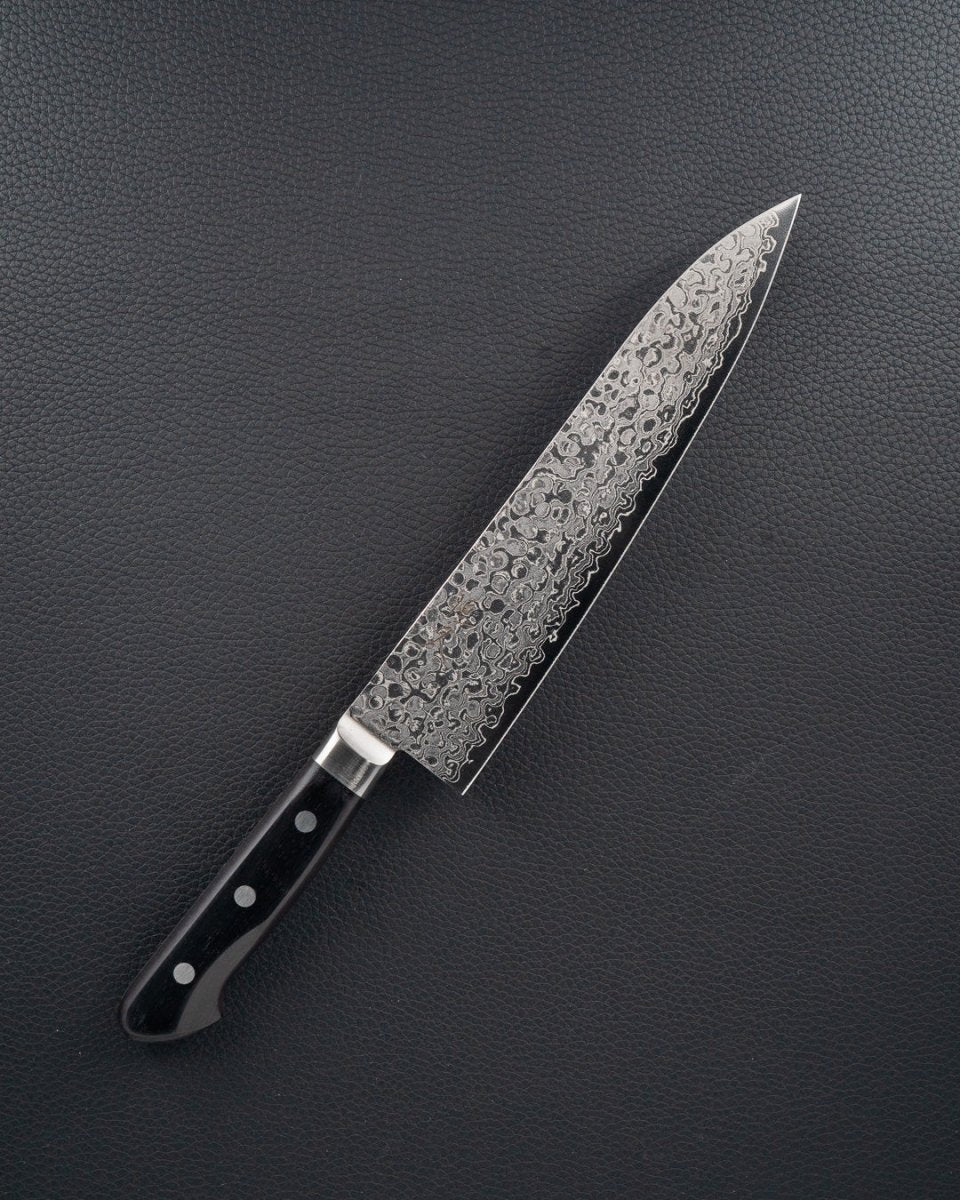
Most knives from Seki are double-bevel and Western in style.
The machine cuts
The blade is cut out and given its first heat treatment by machine.
The hand finishes
The steel
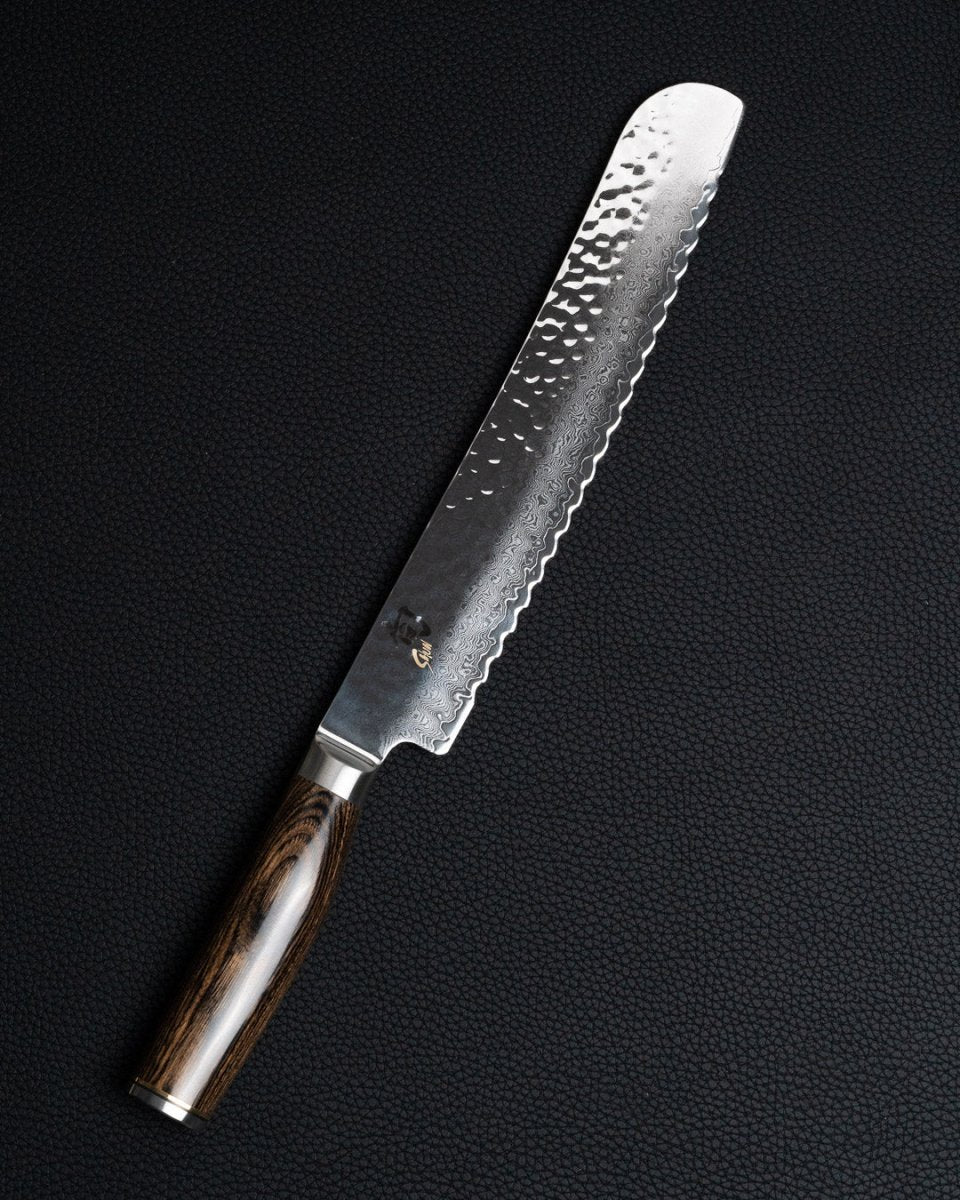
VG10, AUS-8 and molybdenum steel are common. These steels have less carbon and are easy to care for.
From Seki in the shop
The brands from here
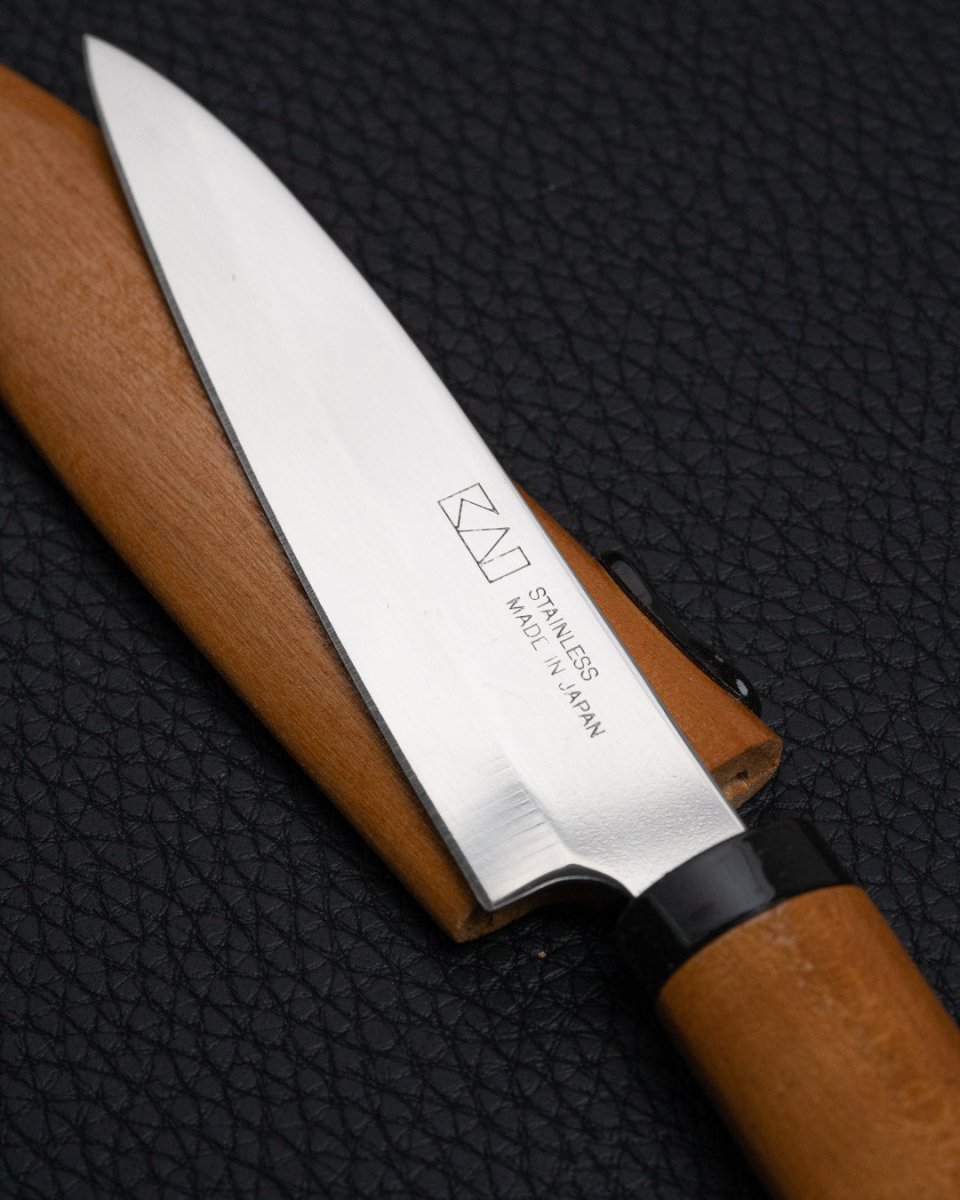
KAI
Seki
A large factory with series from your first everyday knife to the professional kitchen.
See the knivesMasahiro
Seki
In our range, they make the children’s knives, from age four.
See the knivesShibamasa
Seki
Santoku in the V5 series, with and without Damascus.
See the knivesSeki Kanetsune
Seki
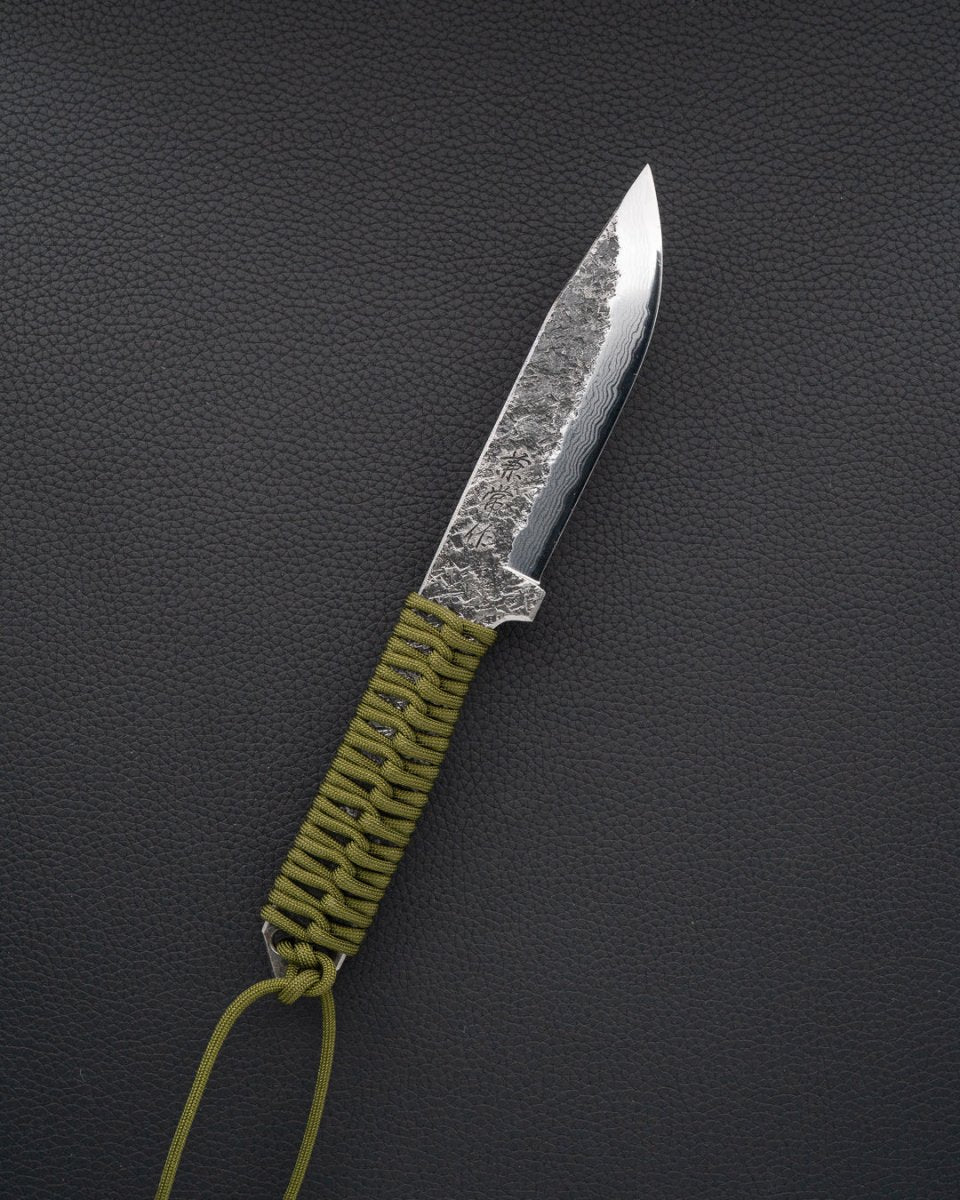
Outdoor knives and a skinning knife in Damascus with blue steel.
See the knivesTsunehisa
Sakai, Seki and Tosa
Brings together knives from three knife towns, in the steel each town uses.
See the knives
In stock
Knives from Seki